








Choose the Right Article for Your Workshop Stage
If you are new to handheld laser welding, start with the articles on safety, machine handling and basic technique. If you already run a workshop, look for pieces on workflow, supervision and starter kit planning so your team can work more consistently. Each article is written for South African conditions, including load shedding, coastal humidity and tight workshop space.
The aim is simple: help you choose the next step that suits your job, your equipment and the material you work with. You will find guidance for learners, owners and supervisors, from first setup through to day to day use. Some articles focus on fine control, others on planning and support, so you can pick what matters most now.
Handheld Laser Welding Basics for South African Learners
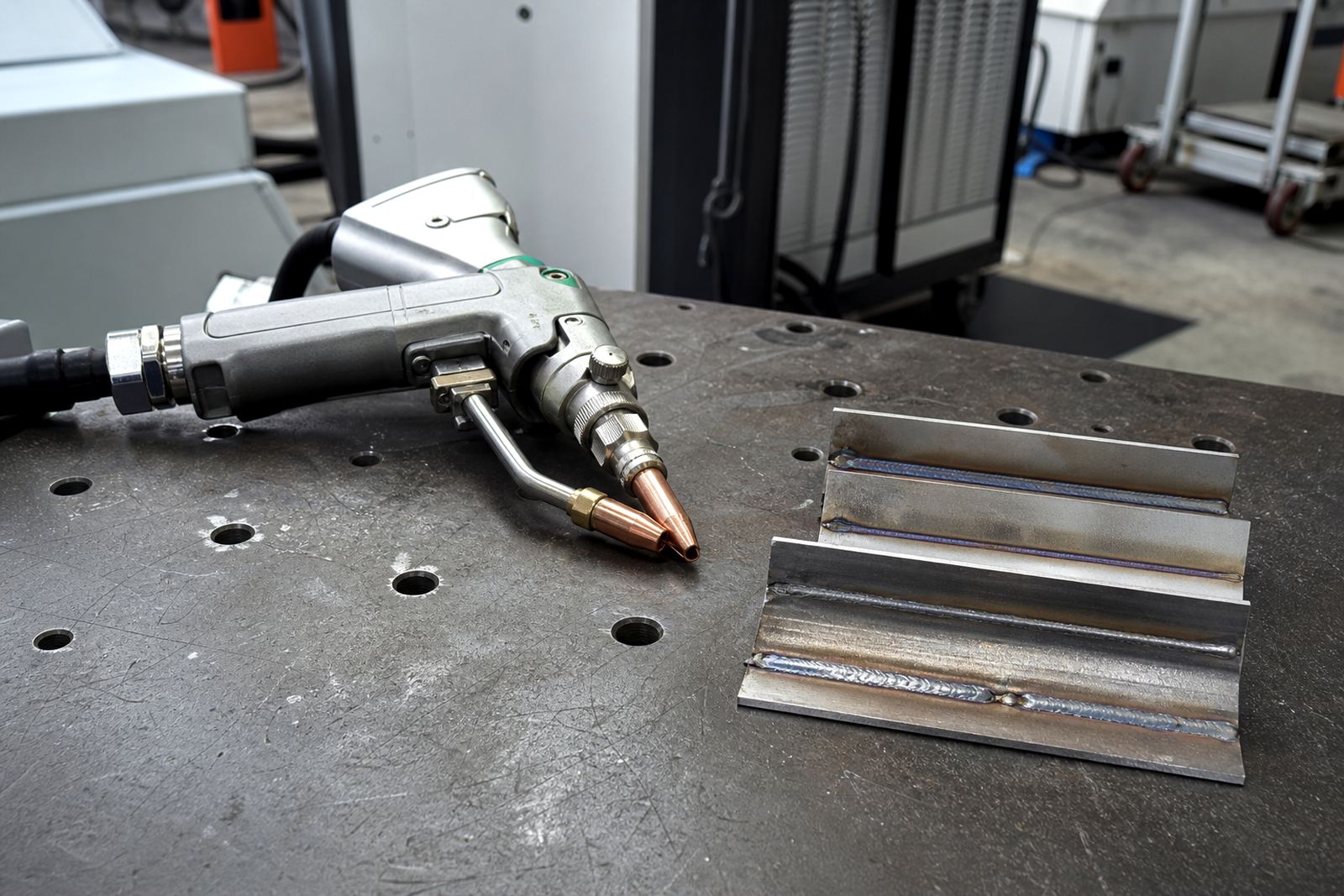
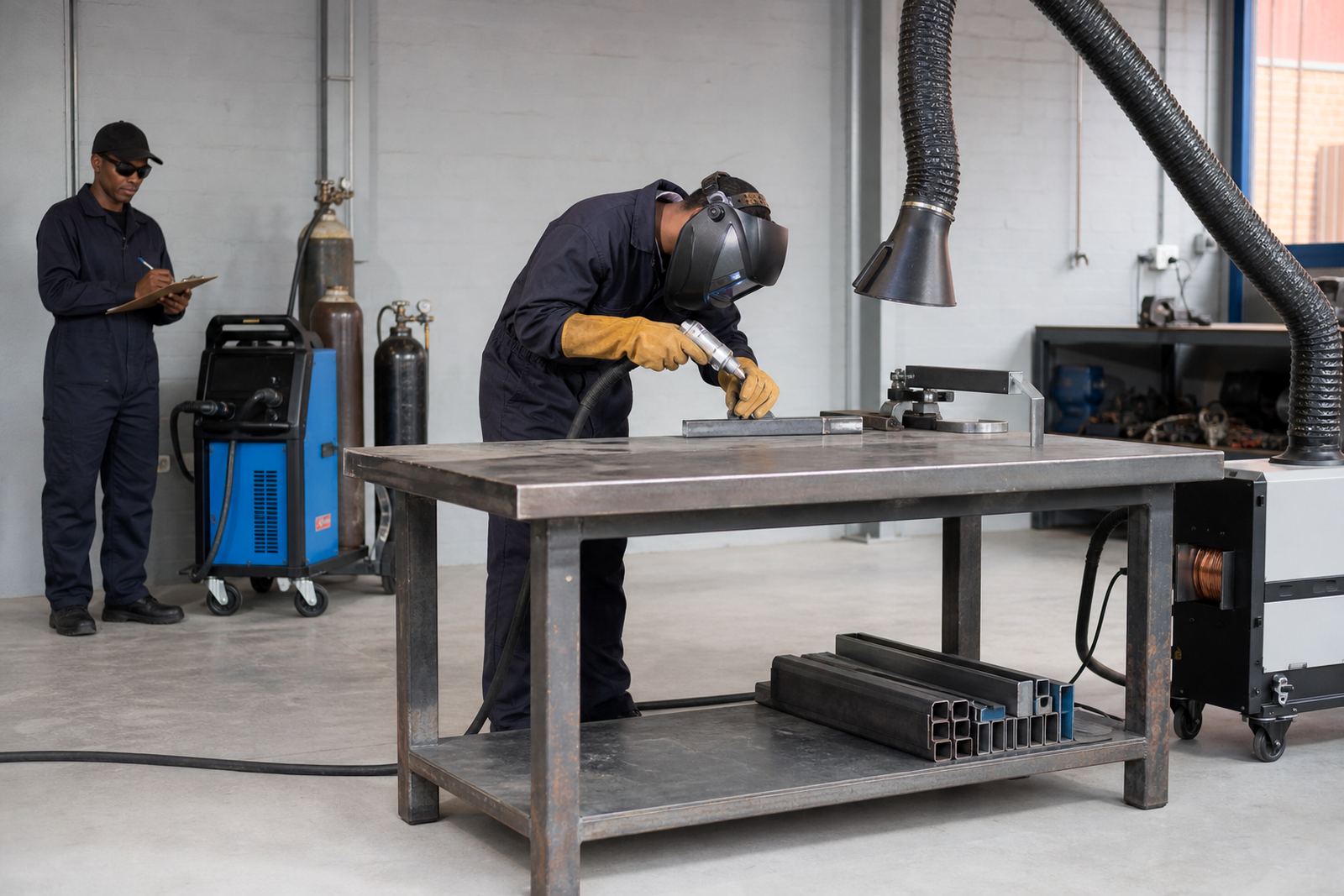
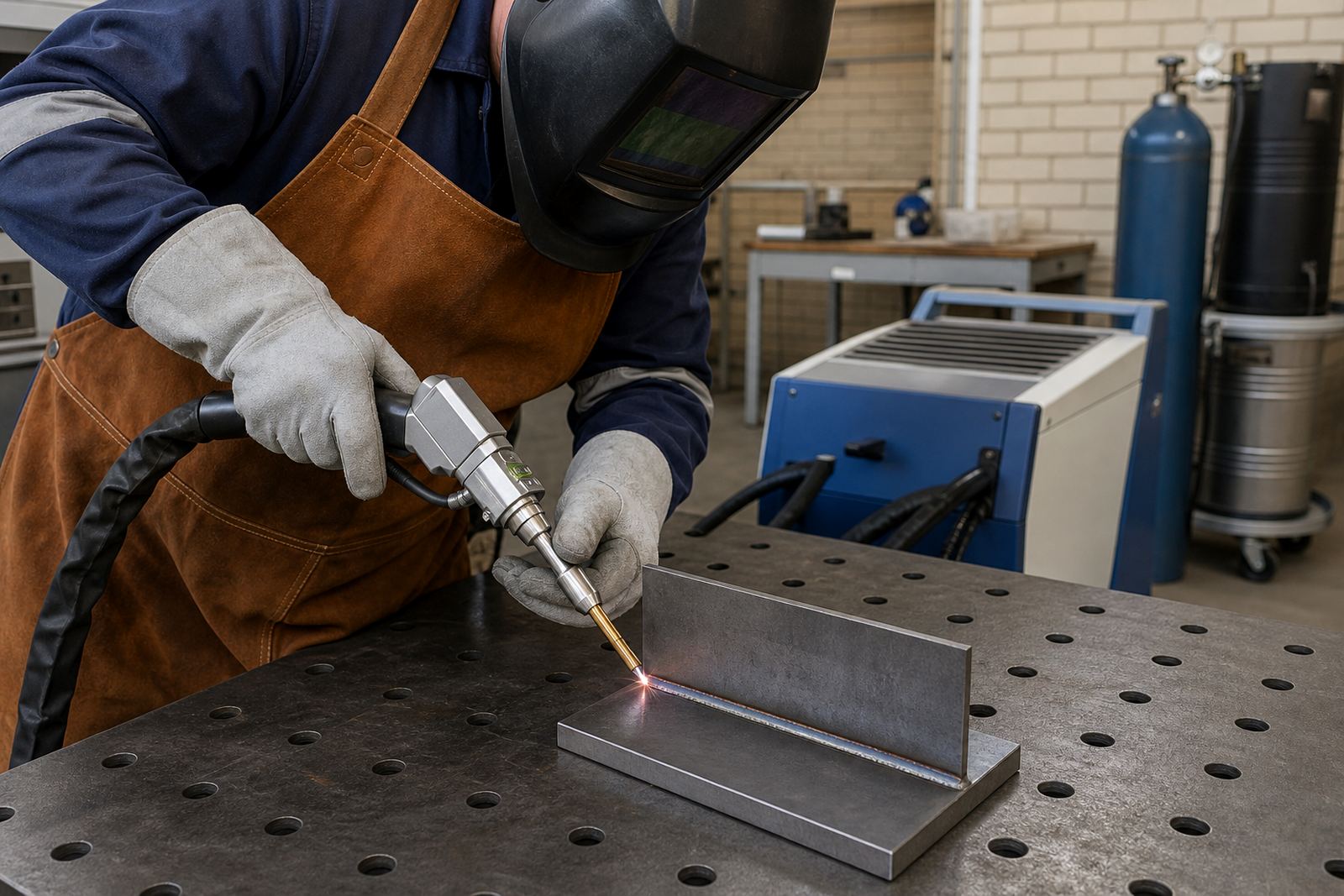
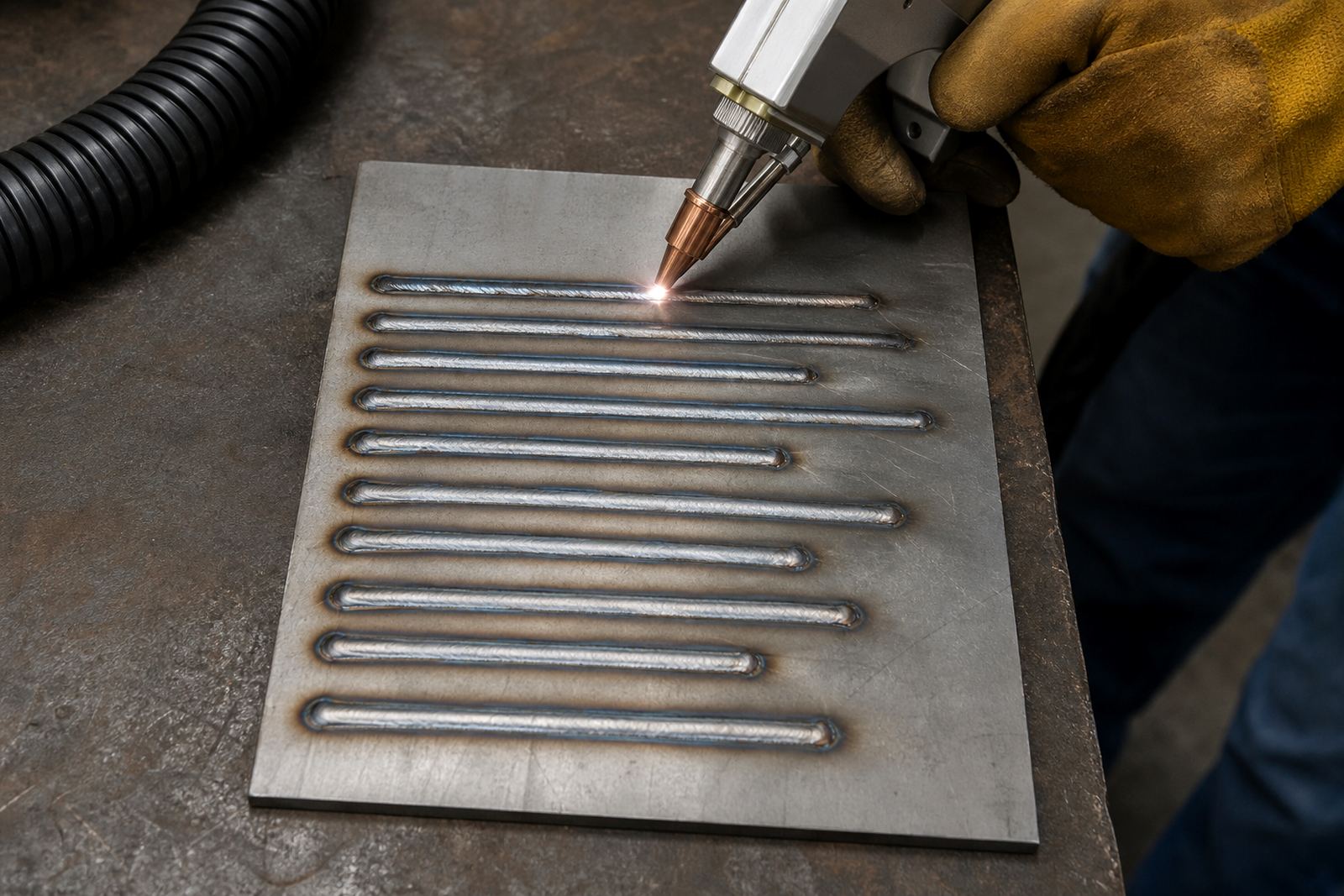
Handheld laser welding is used for precise work on thin to medium gauge metal where speed and control matter. The operator guides the welding head by hand, so practice, stance and travel speed all make a difference. Good articles explain joint fit-up, test pieces and how to keep a steady bead without rushing the job.
- How to hold the torch and keep a steady angle
- How to prepare clean edges before welding
- How to match travel speed to the metal thickness
- How to spot when the heat input is too high
That sort of practical advice helps a learner build good habits early, instead of trying to fix bad habits later. It also helps supervisors set clear expectations for the first few shifts.
Safety Notes That Belong in Every Session
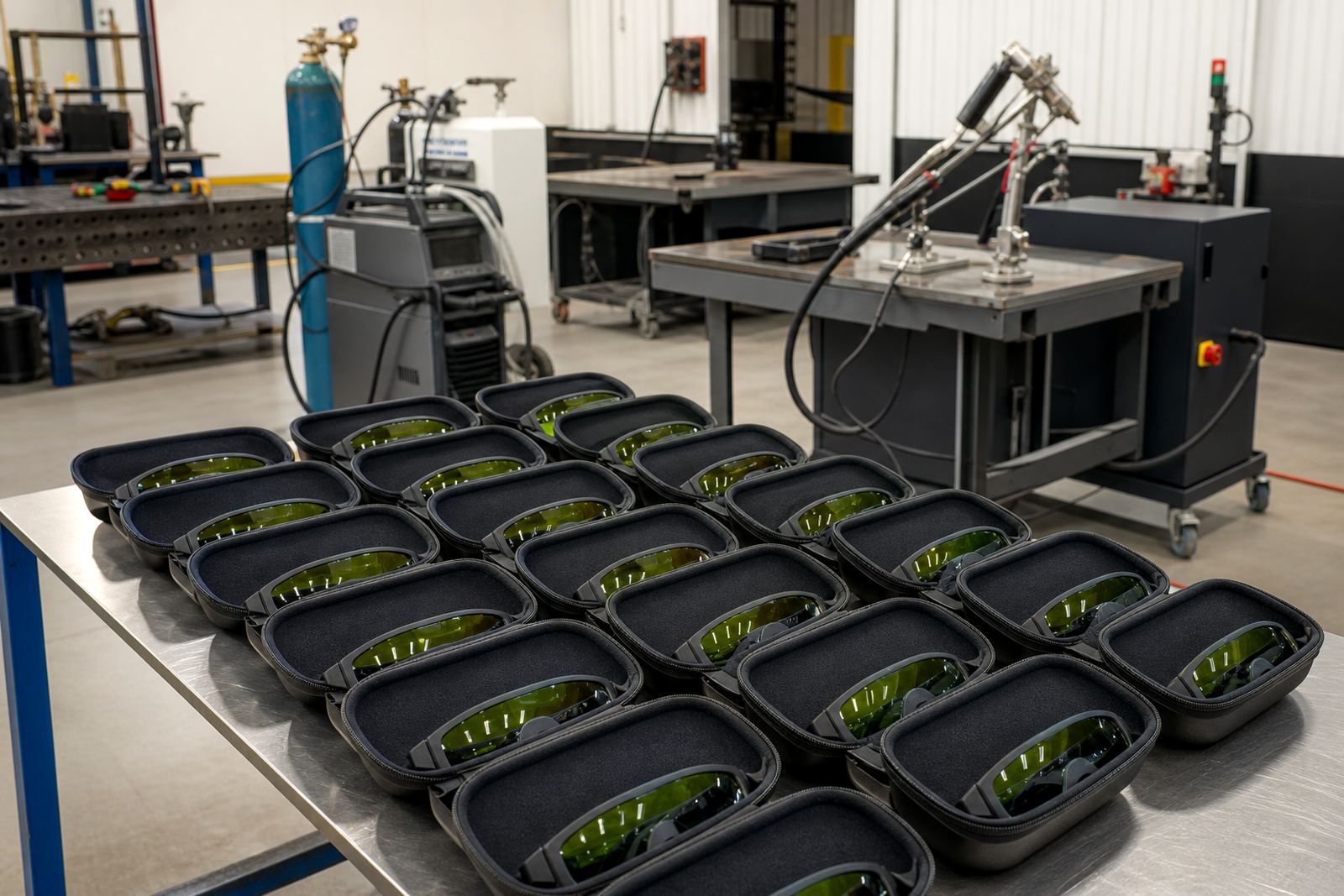
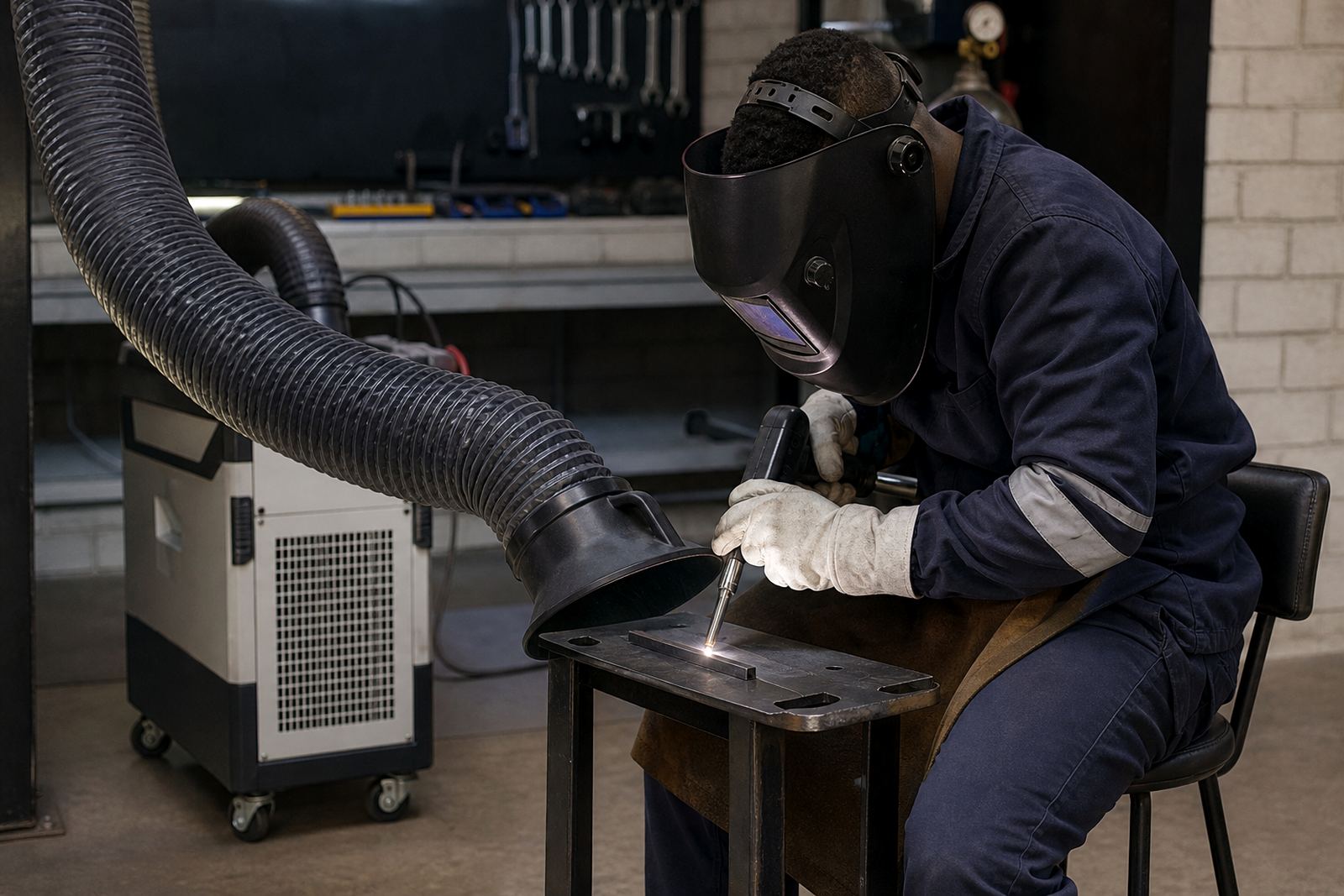
Laser work needs clear safety controls, and the journal covers the basics in plain language. A proper laser class assessment, correct eye protection for the wavelength in use, and effective fume extraction are not optional extras. They are part of the job, especially in enclosed workshops or where ventilation is poor.
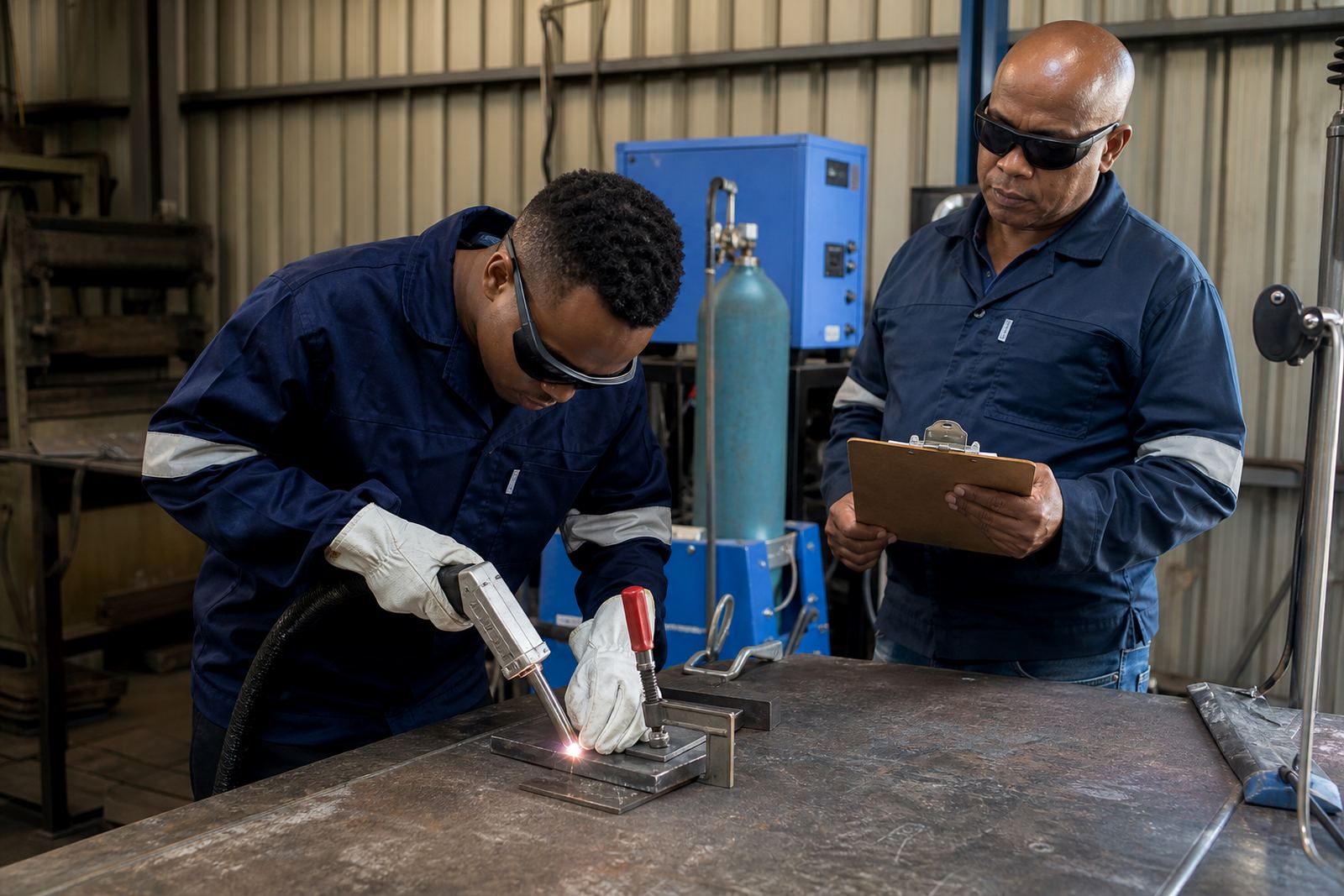
We also look at practical controls such as restricted access, reflective surfaces, clean cable routing and clear sign-off before use. A short safety briefing before each session can prevent simple mistakes that waste time and put people at risk. This is important whether you are working in Boksburg, Durban or a small satellite workshop inland.
What to Look for in a Starter Kit
Starter kits should help a learner or workshop begin with the right support, not with guesswork. Good planning covers the welding head, basic consumables, protective gear, cleaning tools and a practical storage method for sensitive parts. If your team works near the coast, you may also need a plan for humidity and careful storage after each shift.
- Protection for eyes, hands and exposed skin
- Cleaning items for surface prep and post weld care
- Consumables that suit your daily workload
- Storage that keeps dust and moisture out
- Setup notes that the whole team can follow
Articles in this section help buyers think through what is useful on day one and what can wait until later. That keeps the kit practical and easier to manage.
Training Habits That Improve Results
Good results usually come from steady habits, not from one long session. That is why the journal includes articles on practice plans, refresher visits and supervisor coaching. Learners do better when they repeat a few core steps, then check their work and adjust before moving on.
We also cover simple ways to support a team after training, such as keeping a training document pack on hand and using short workflow notes at the work station. A small amount of structure can save a lot of rework later. In busy shops, that matters when orders are piling up and the day is already full.
Planning for Workshop Support and Ongoing Use
Once a workshop starts using handheld laser welding regularly, support planning becomes part of the work. Articles in this journal cover site readiness checks, operator inductions, workflow advice and technical help so you can keep the setup practical. The right article helps you decide whether you need more supervision, better consumable planning or a simple refresher visit.
Readers can also use the journal to understand how training links with real workshop conditions. That includes clear responsibilities for supervisors, safe storage of equipment and a sensible approach to production pressure. The goal is to keep the process moving without cutting corners.
How to Read the Journal and Apply It on the Floor
Start with the article that matches your current problem, then work through the related pieces in order. If you are training new staff, read the safety and basics sections first. If you are buying for a team, read the starter kit and support sections before making a decision.
The journal is written for South African learners, owners and supervisors who want useful, plain-language guidance. It is practical, direct and aimed at real workshop conditions, not theory for its own sake. If you apply one idea from each article, you should see better handling, safer work and fewer avoidable errors.