Practical laser welding training for real workshop work
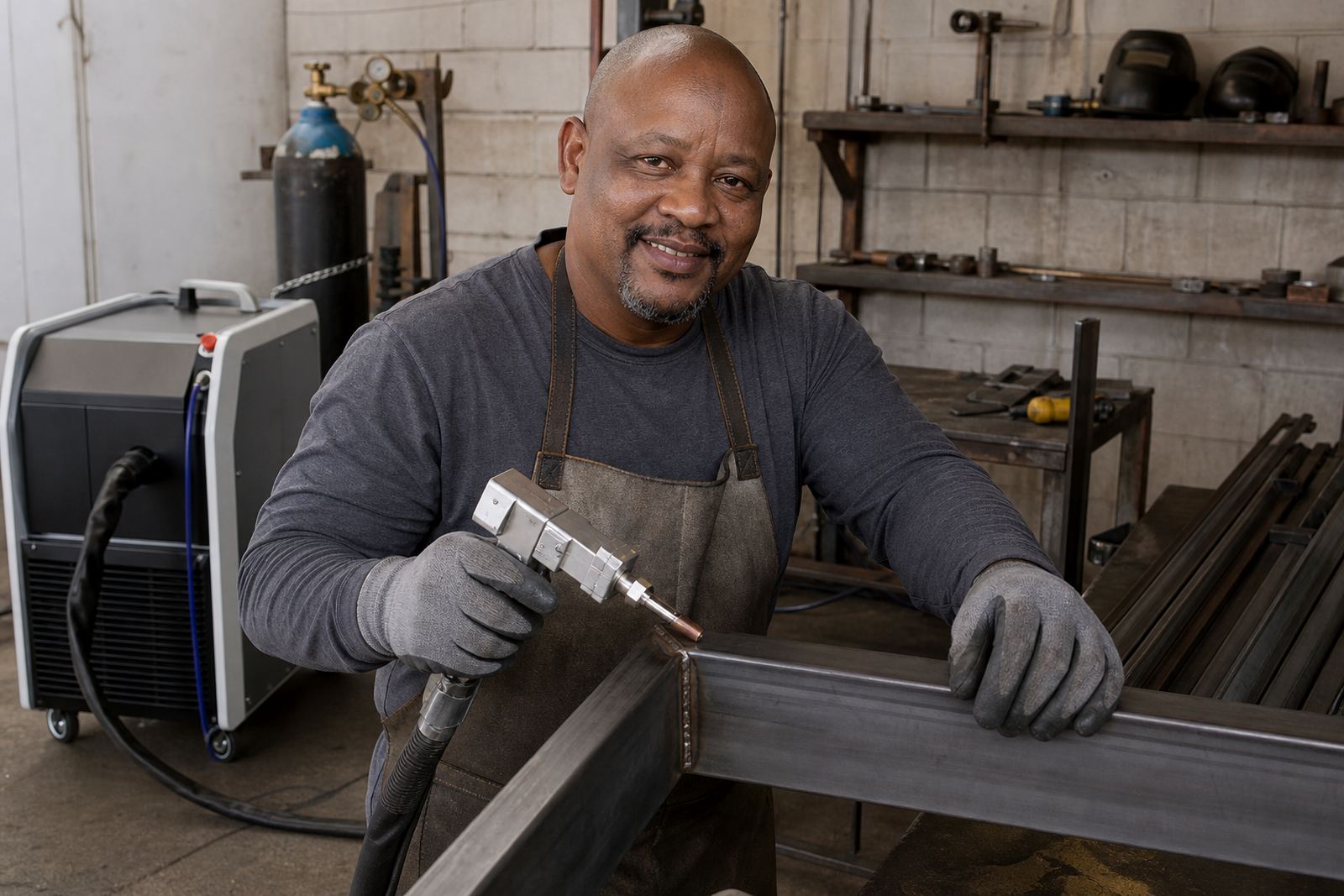
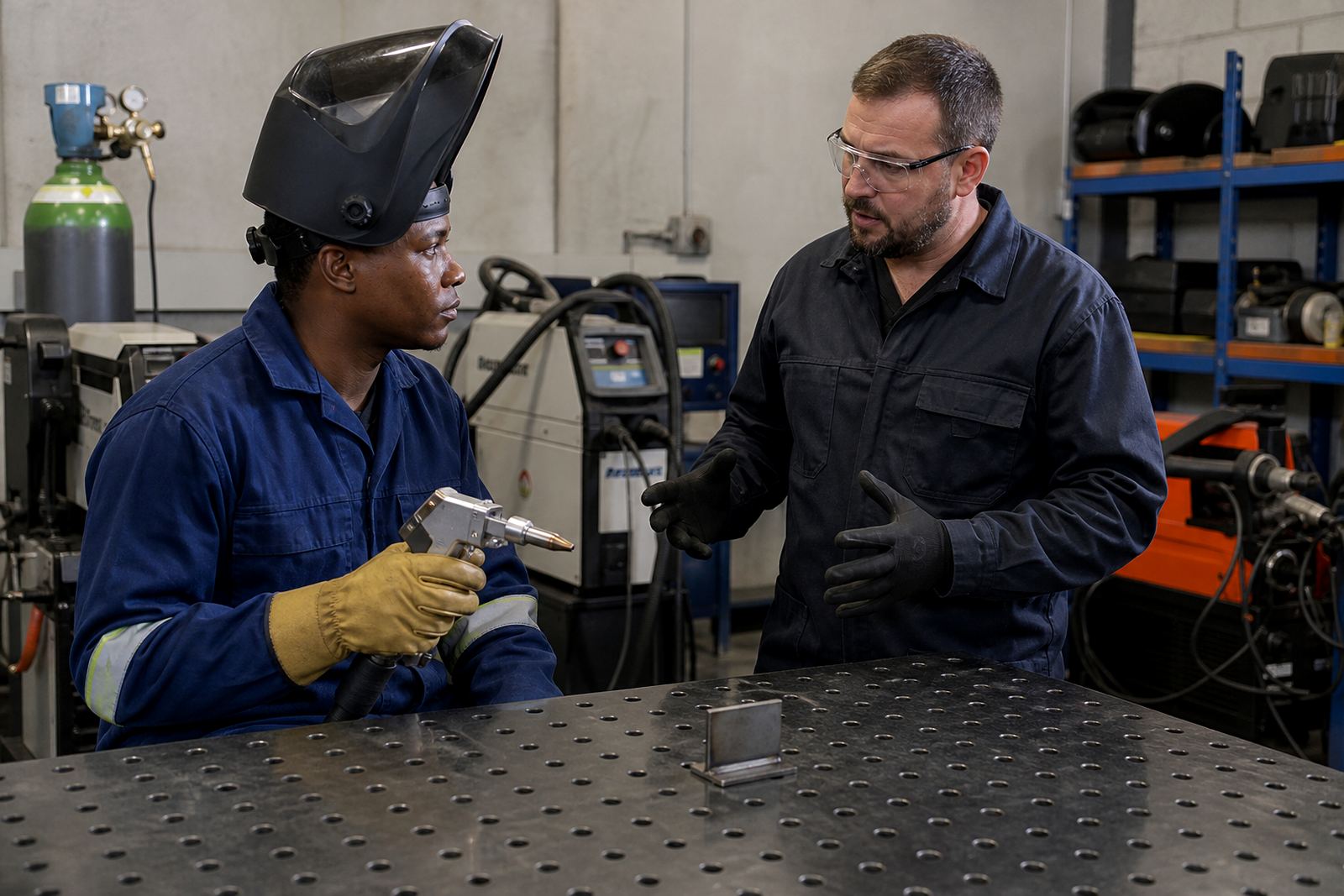
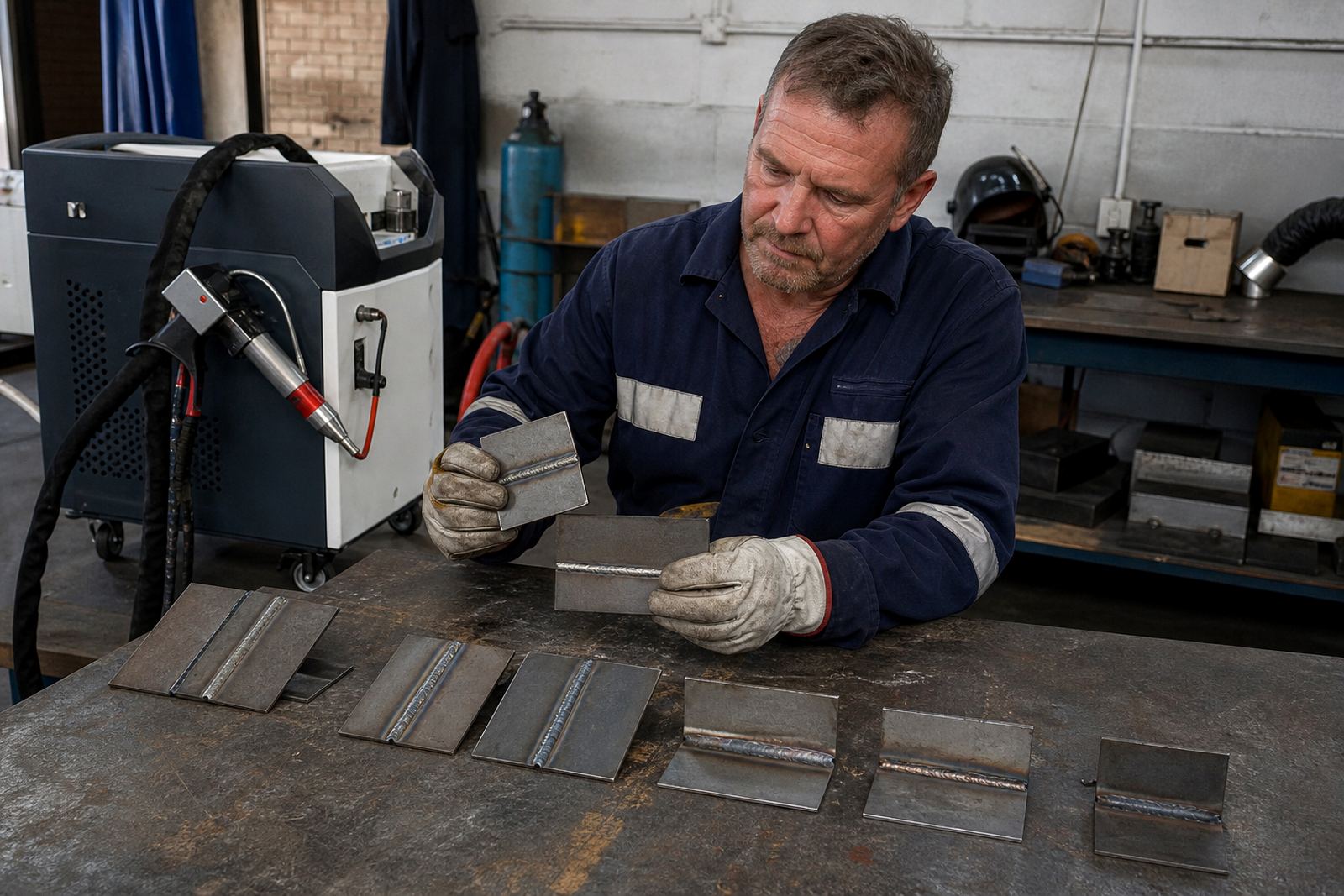
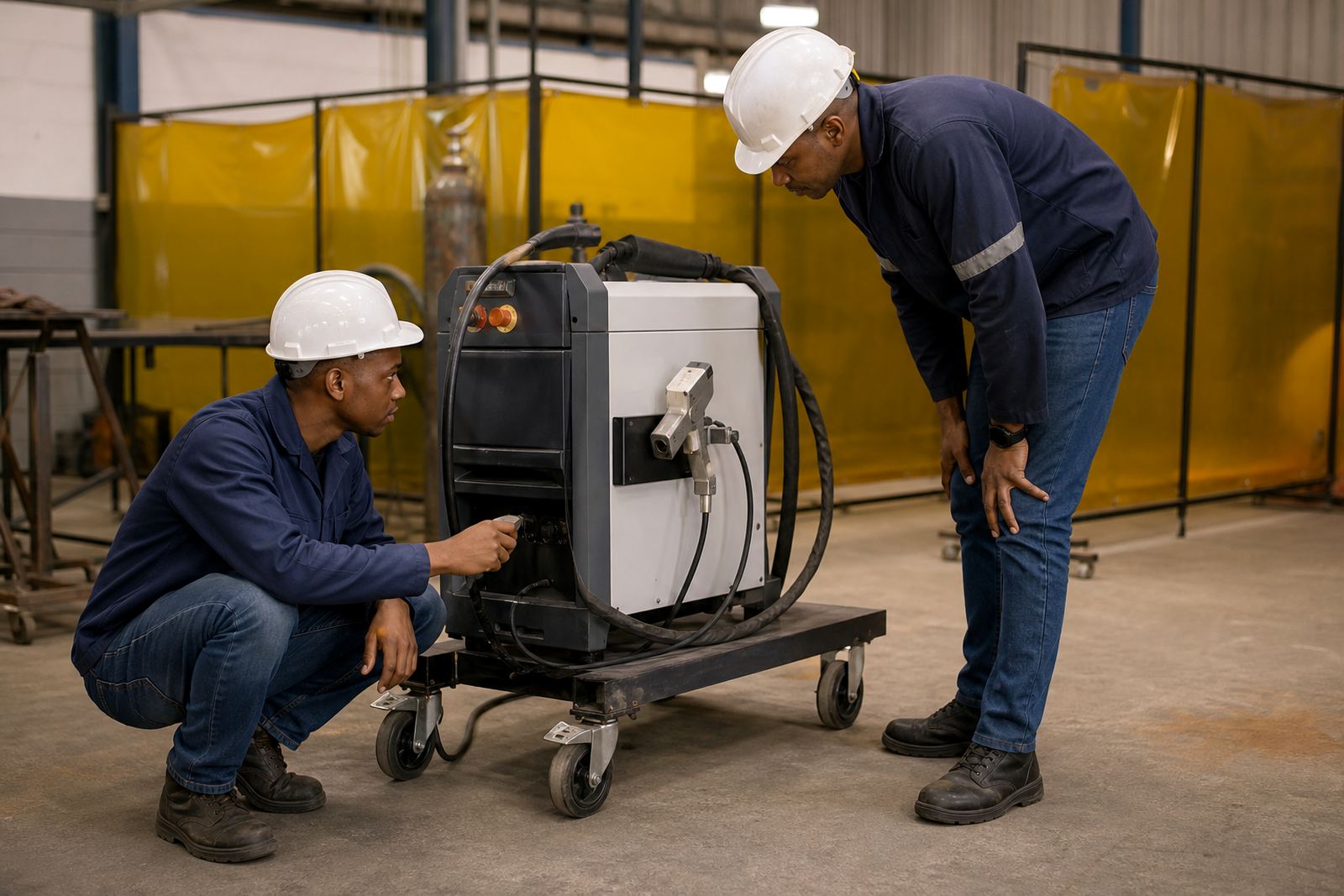
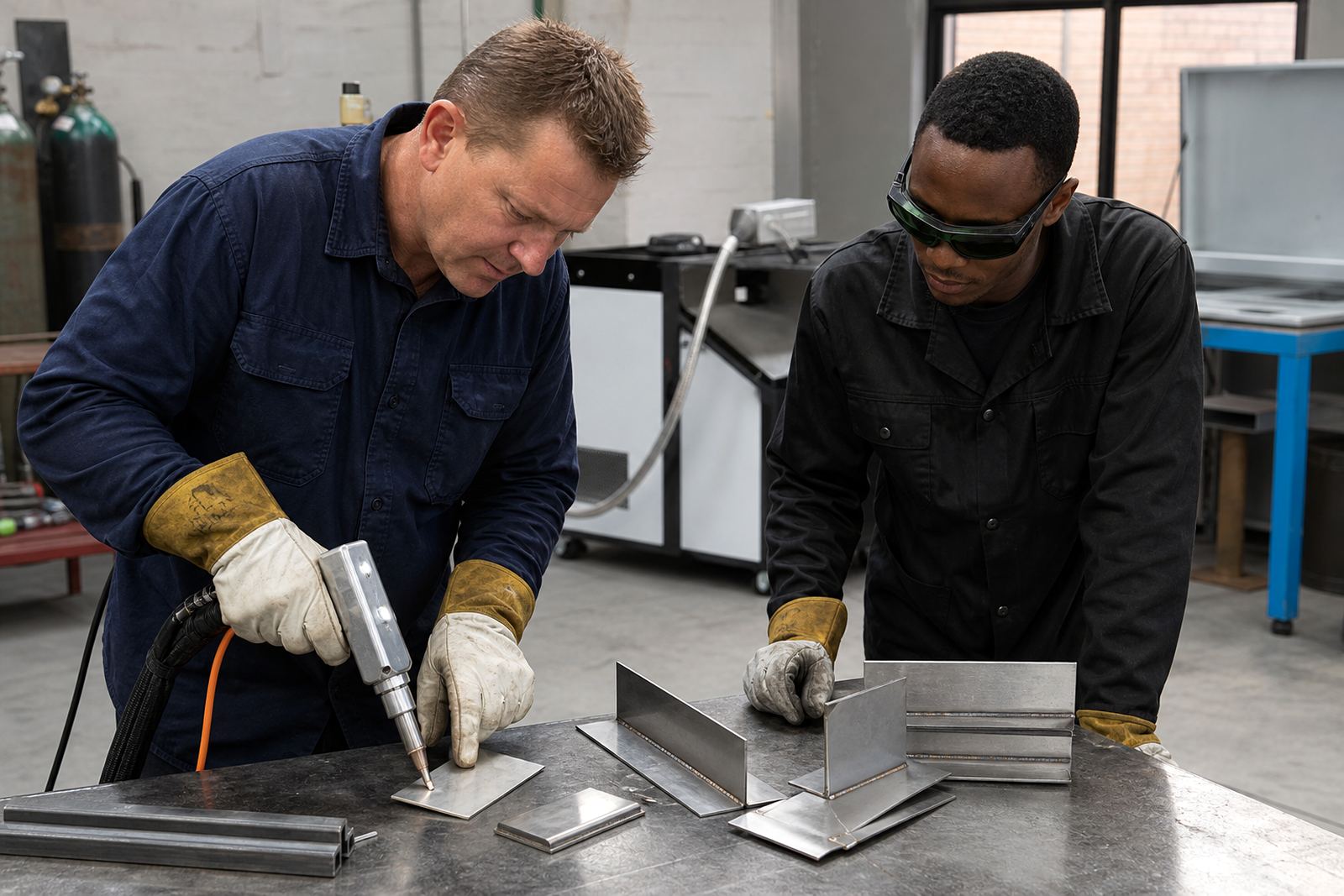
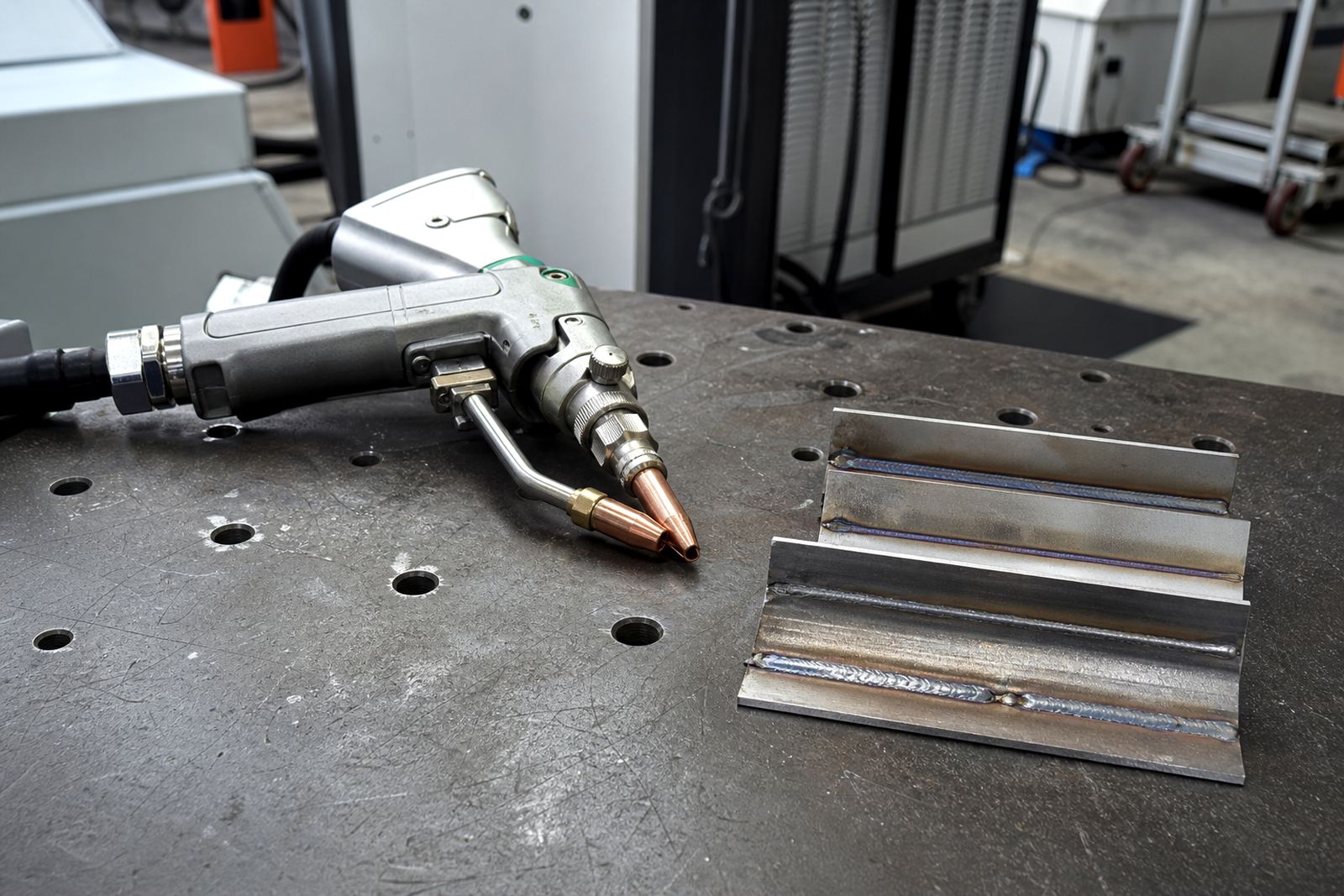
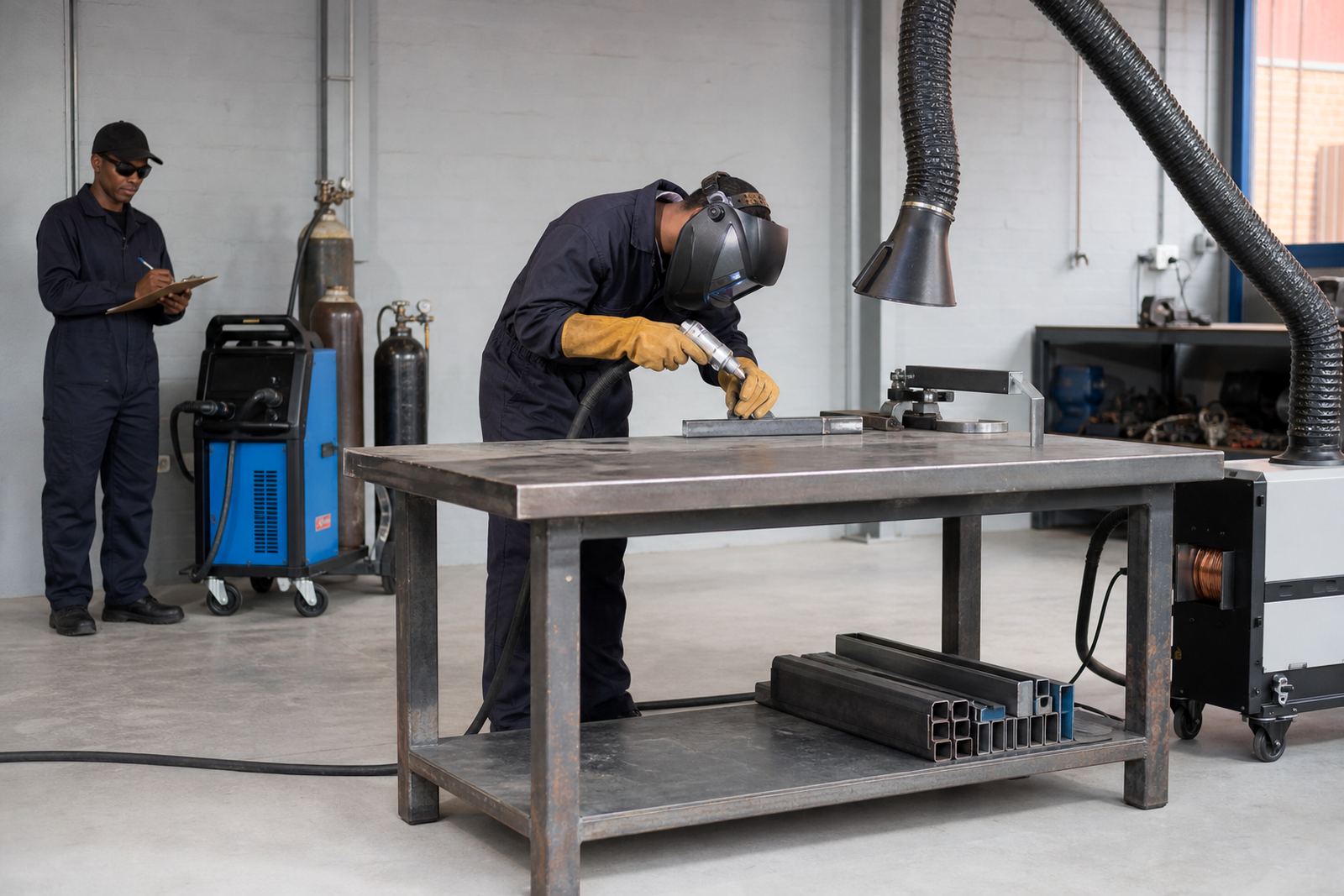
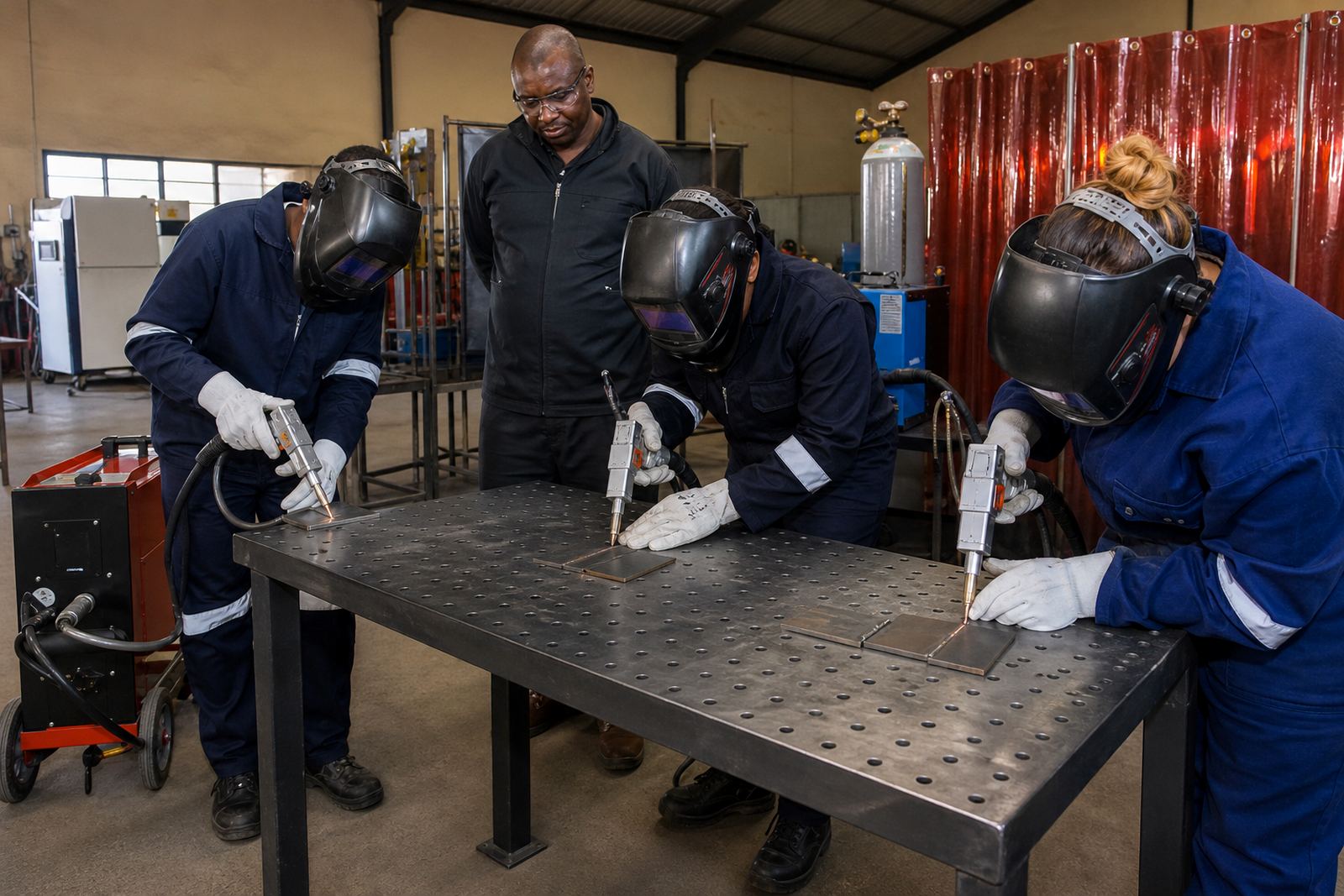
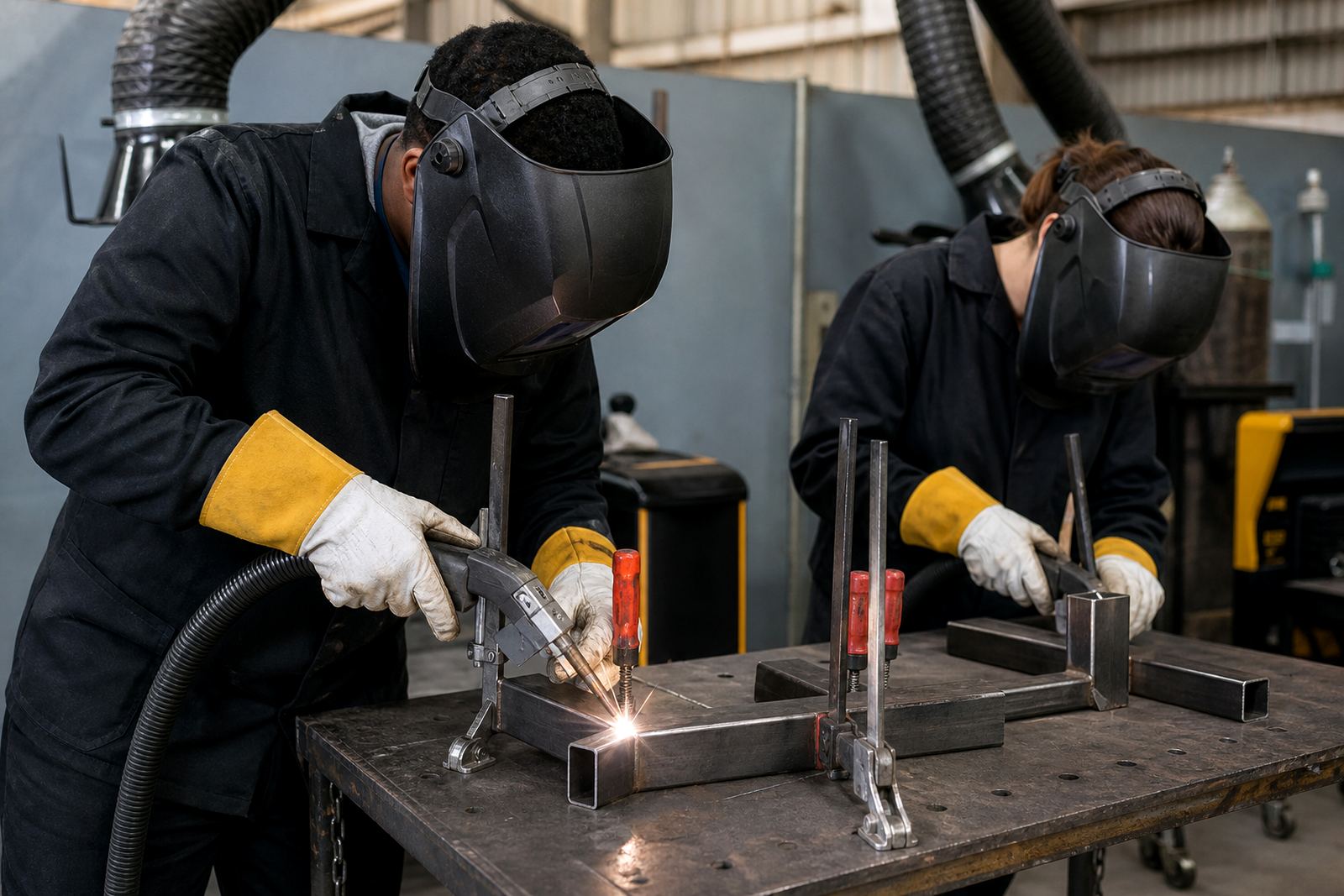
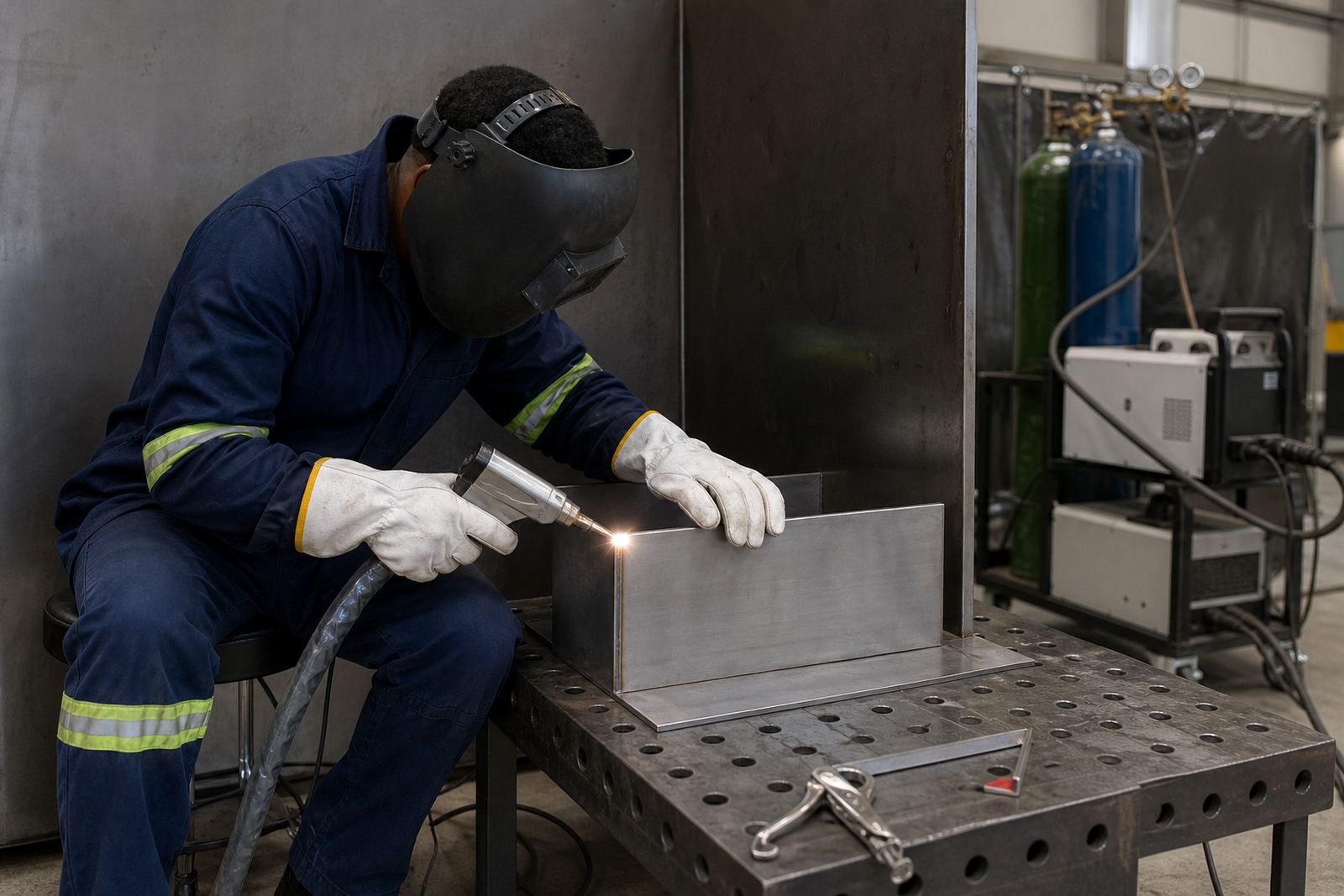
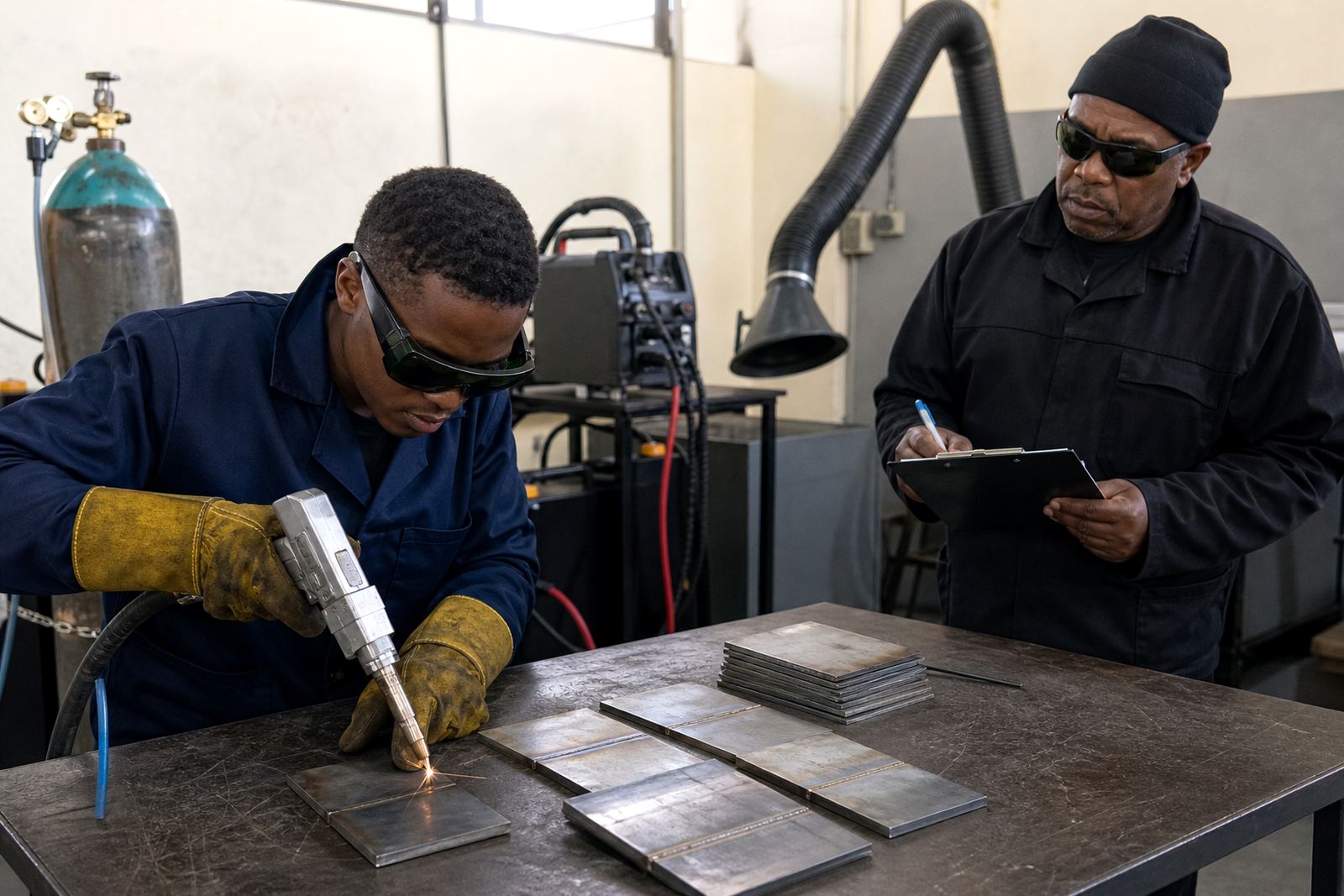
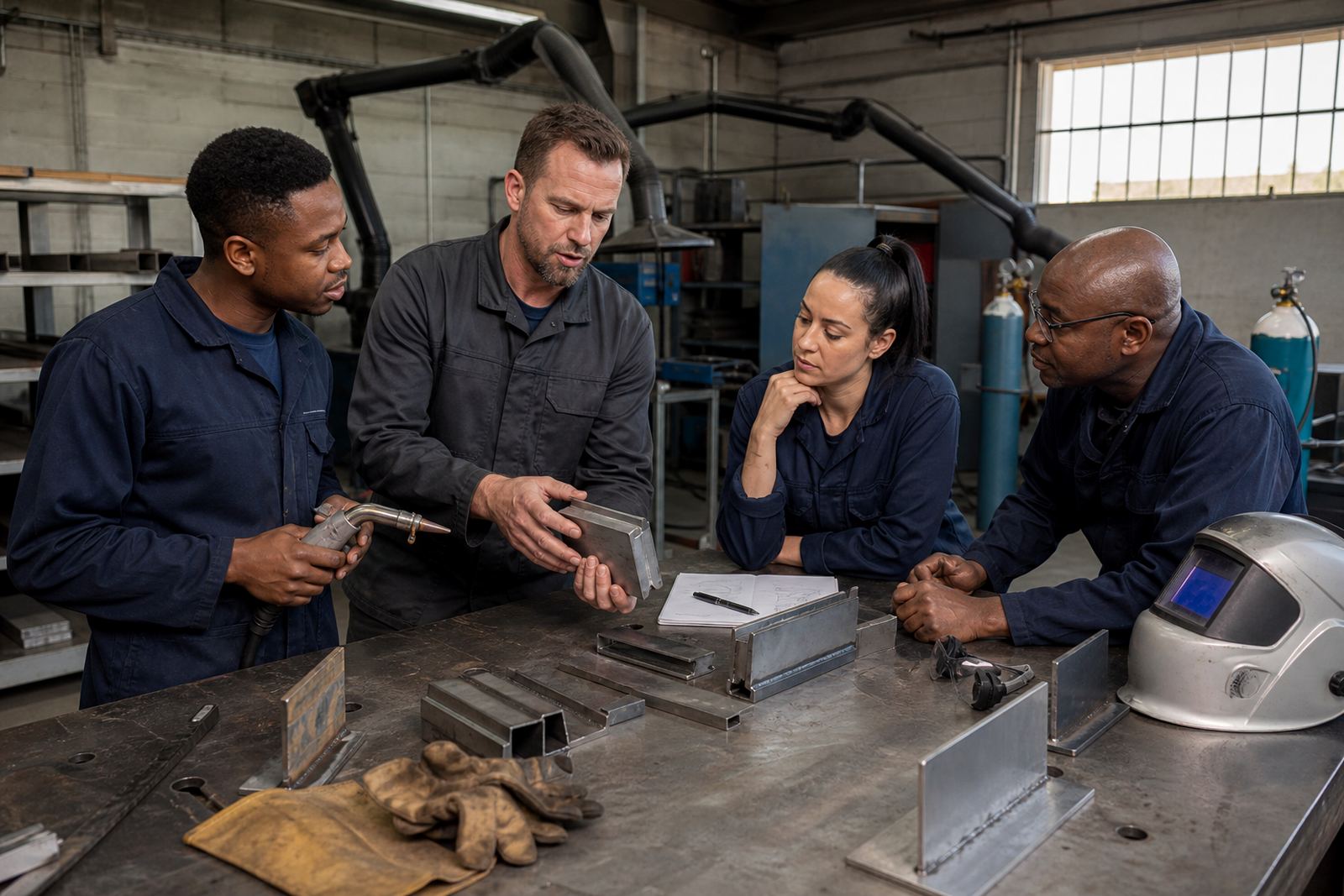
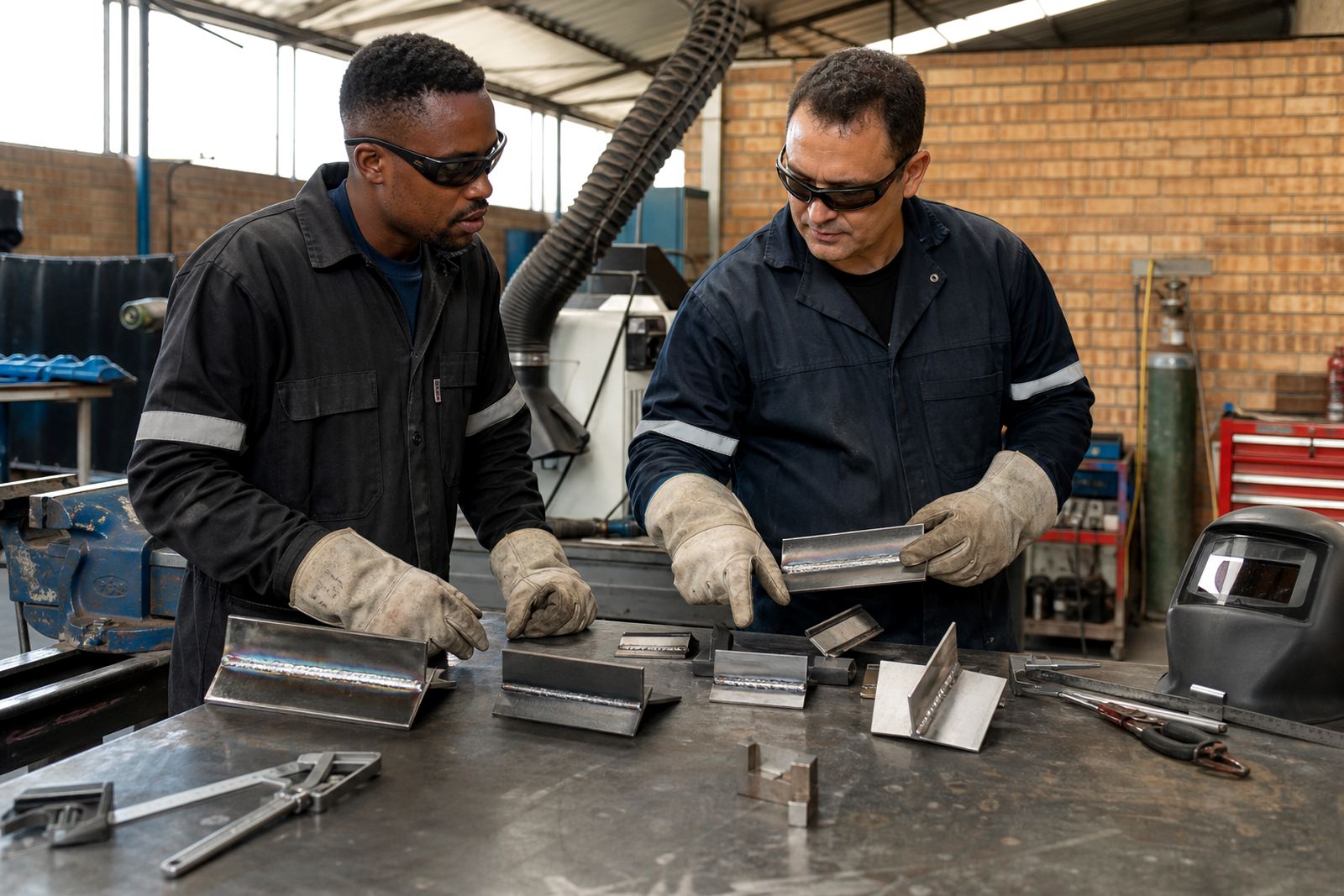
Our training is built around handheld laser welding as it is used in everyday workshop settings. Learners work with the equipment, prepare joints, set up the workspace and practise controlled welding on suitable materials. We keep the focus on handling, fit-up, heat control and finish quality so that the learning is useful at the bench and not only in theory. Whether someone is completely new or already has welding experience, the course is structured to build confidence step by step.
We train in Boksburg and support learners from East Rand, Gauteng and further afield. Workshops often need staff who can work neatly, understand the machine limits and keep to safe procedures. That is where our course helps. It gives people a clearer understanding of how handheld laser welding differs from other processes, where it works well, and when a different method may be the better choice.
What we supply for learners and workshops
Along with training, we supply starter kits that help learners and small workshops get going with the right basics. The aim is to make setup simpler when a new operator arrives back at work or when a business wants to test a small-scale workflow before expanding. We also help with setup advice so the kit is used properly from the start, with attention to the work area, power needs and safe operating space. In South Africa, where load-shedding and site conditions can affect production, getting the setup right matters.
- Starter kit setup guidance for first-time users
- Practice plans for repeat hands-on learning
- Training document pack for internal records and follow-up
- Consumables planning for ongoing workshop use
- Technical help for basic machine and workstation questions
We keep the advice practical. If a workshop is in a coastal area with humidity, or in a busy industrial area with limited space, the setup and storage needs may be different. We talk through those details so learners are not left guessing.
Safety steps we cover before anyone welds
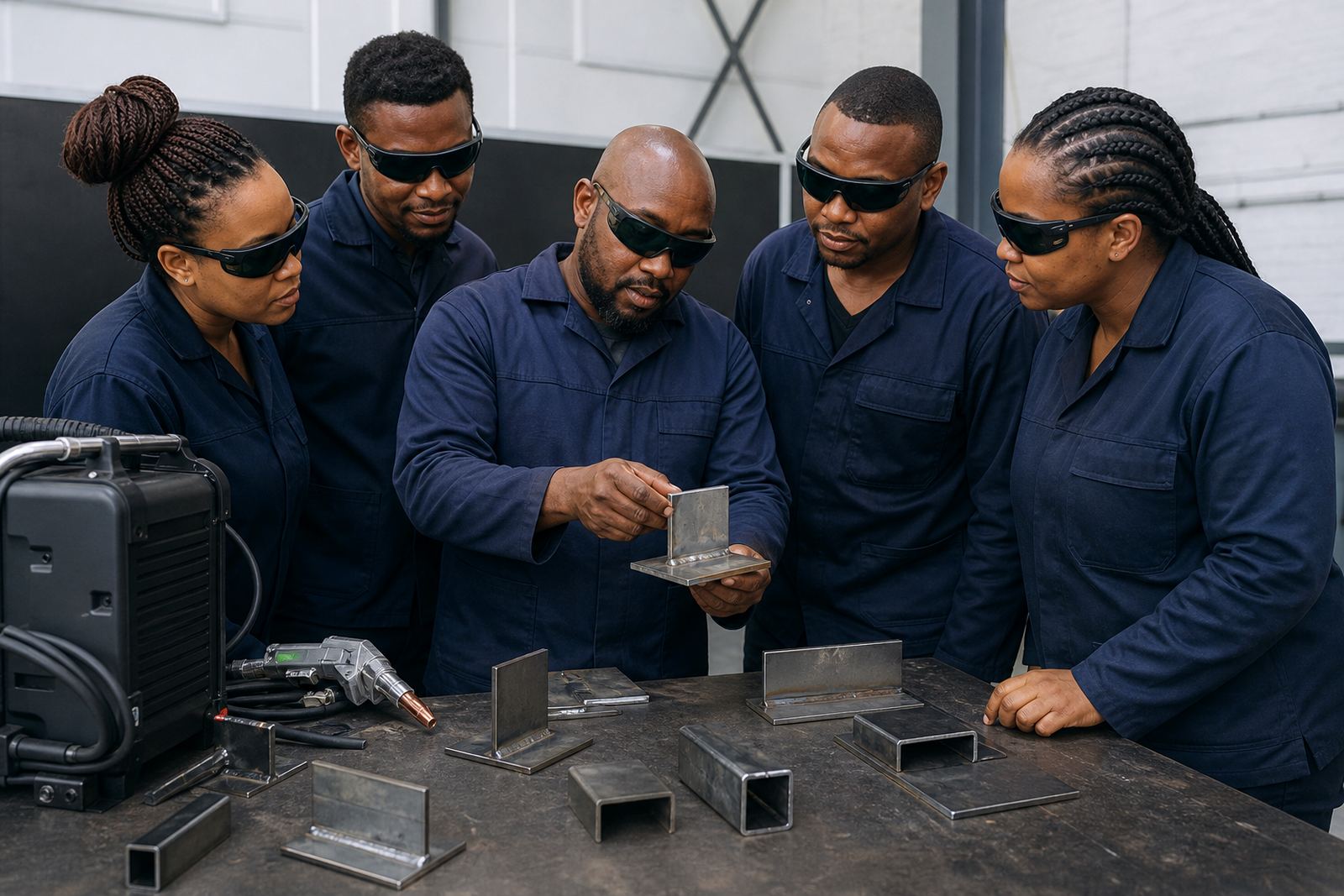
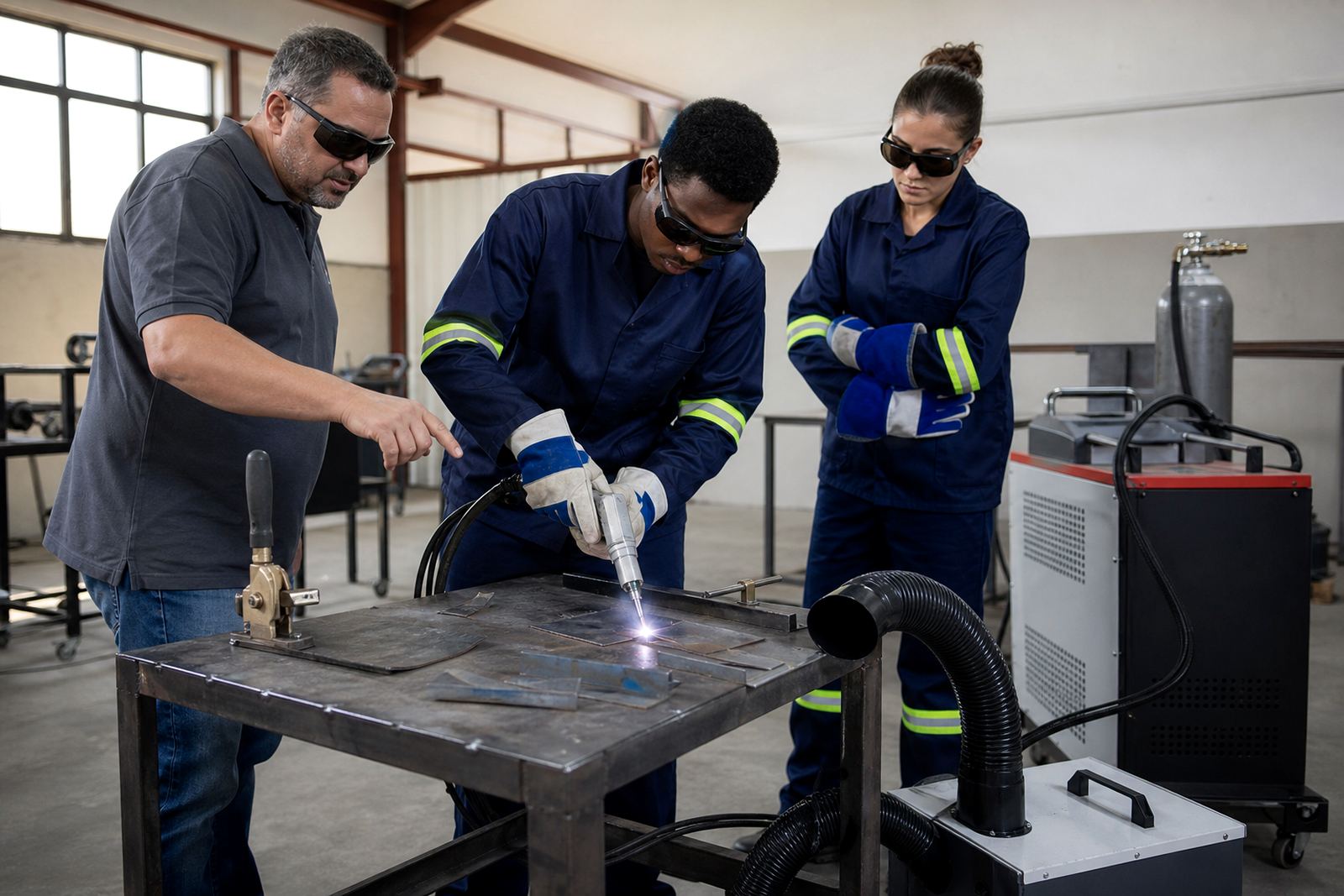
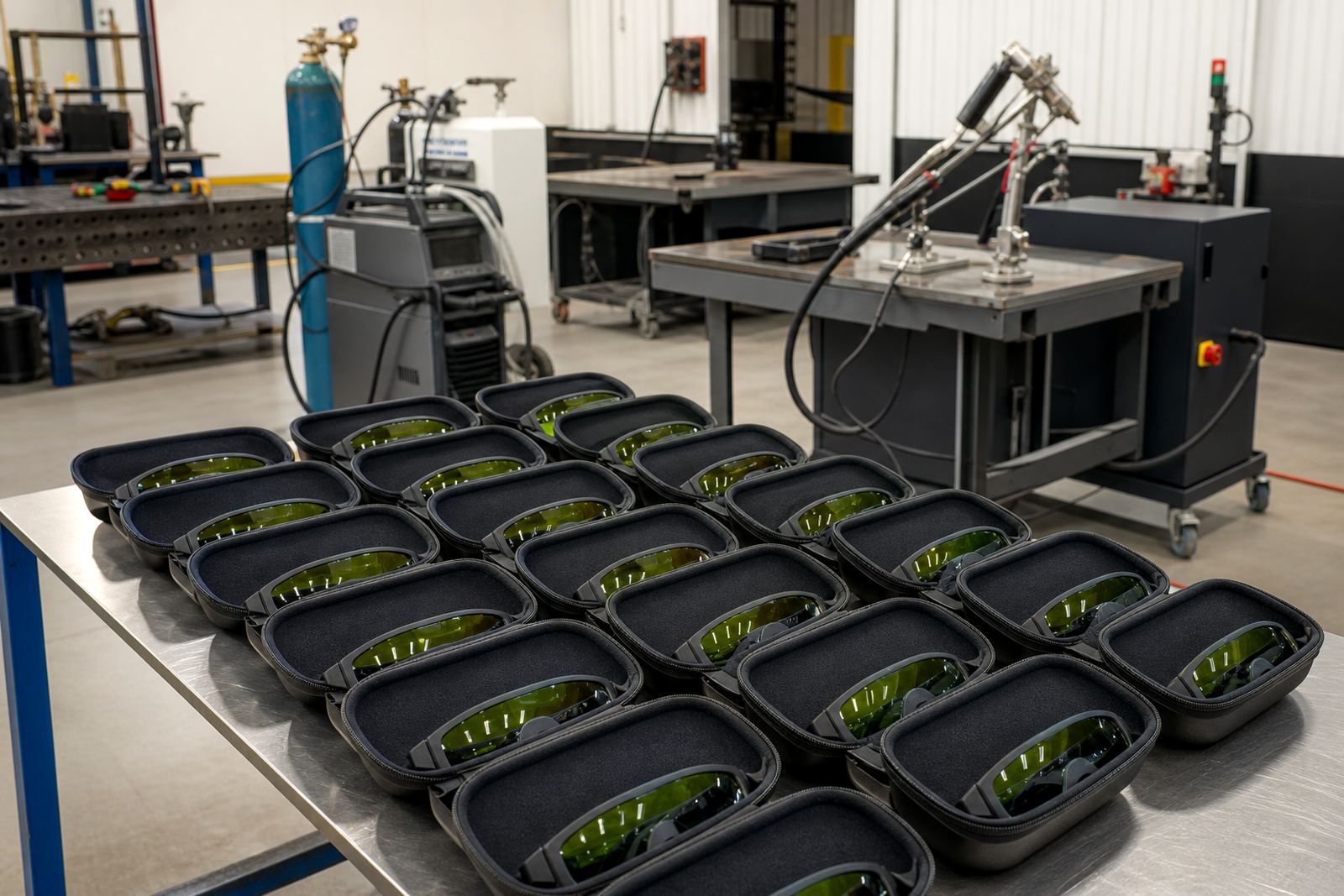
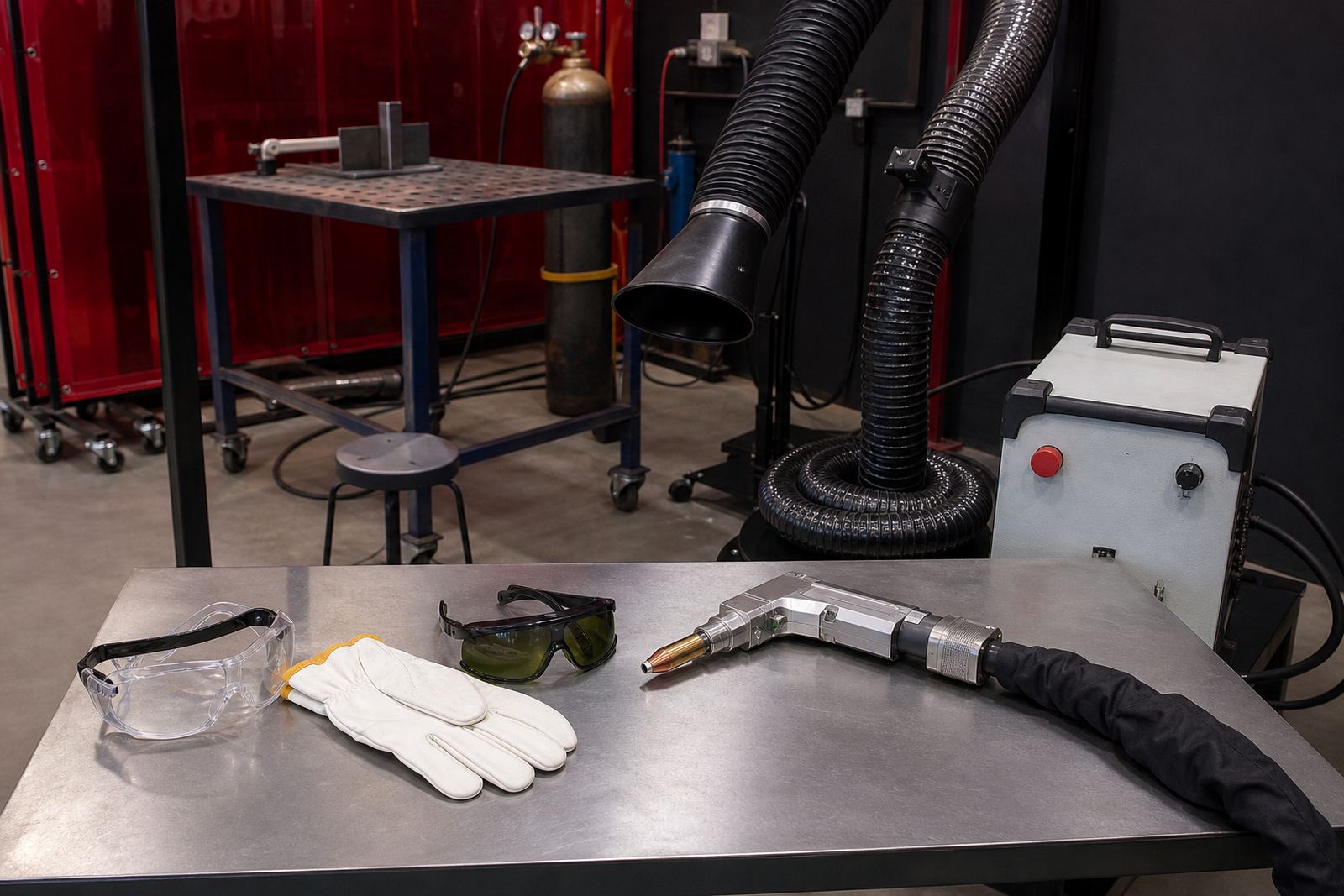
Safety is part of the course from the first briefing. Handheld laser welding uses concentrated light energy and that means the correct laser class, eye protection and controlled access to the work area are non-negotiable. We explain what the laser classification means in practice, how to protect the eyes properly, and why no one should use makeshift protection. Learners also get clear guidance on keeping the beam area controlled and keeping bystanders out of the zone.
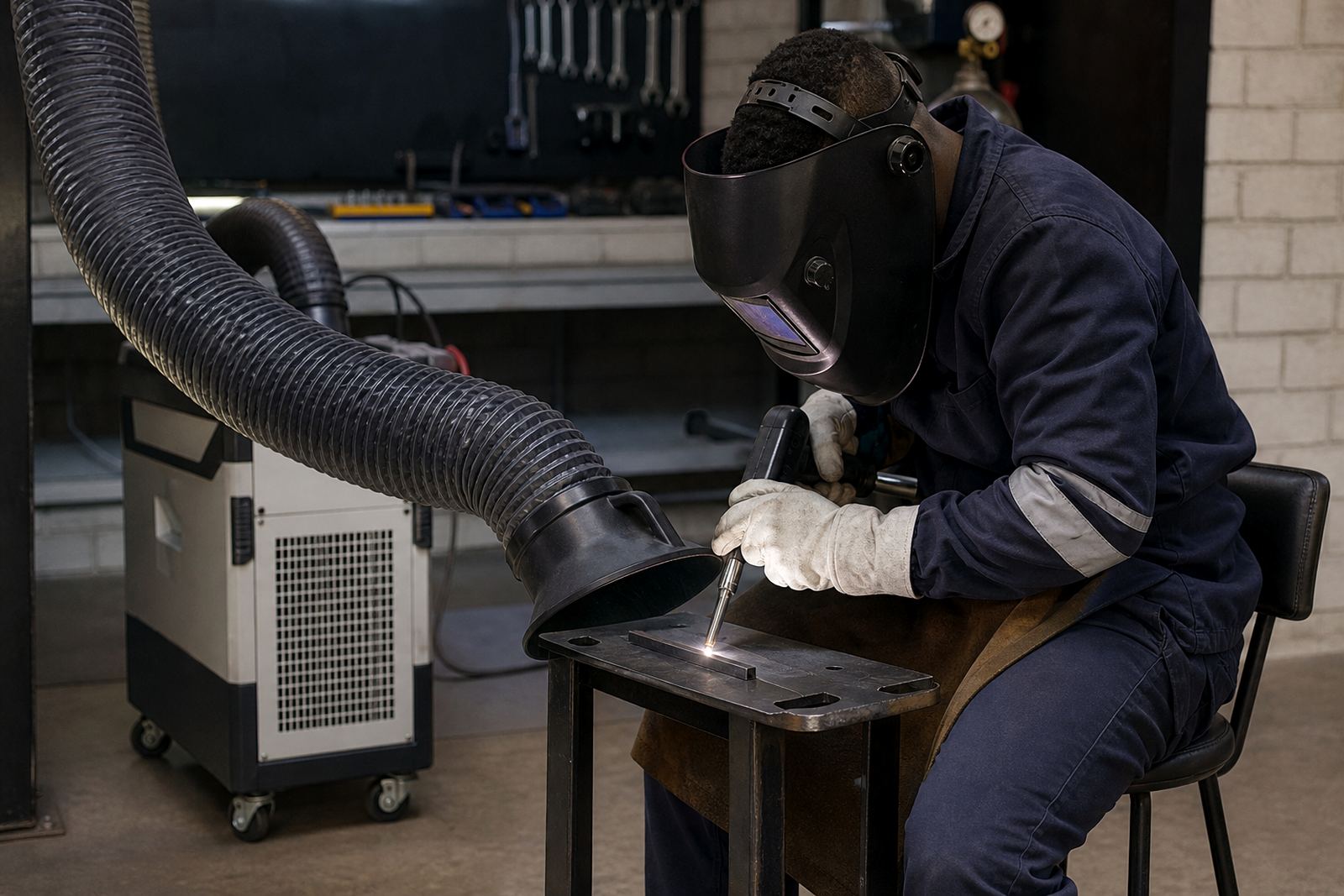
Fume extraction is also covered properly. Even when the weld looks clean, fumes and fine particles can still be present depending on the material and the work being done. We show how to position extraction, how to keep air moving, and how to avoid working in a closed space without proper control. This is especially important in workshops that run for long shifts or have more than one operator working close together.
- Laser class awareness and safe use rules
- Eye protection suited to the equipment in use
- Fume extraction setup and airflow checks
- Work area controls for visitors and staff
- Basic checks before each training session