What the Intermediate Laser Course Covers
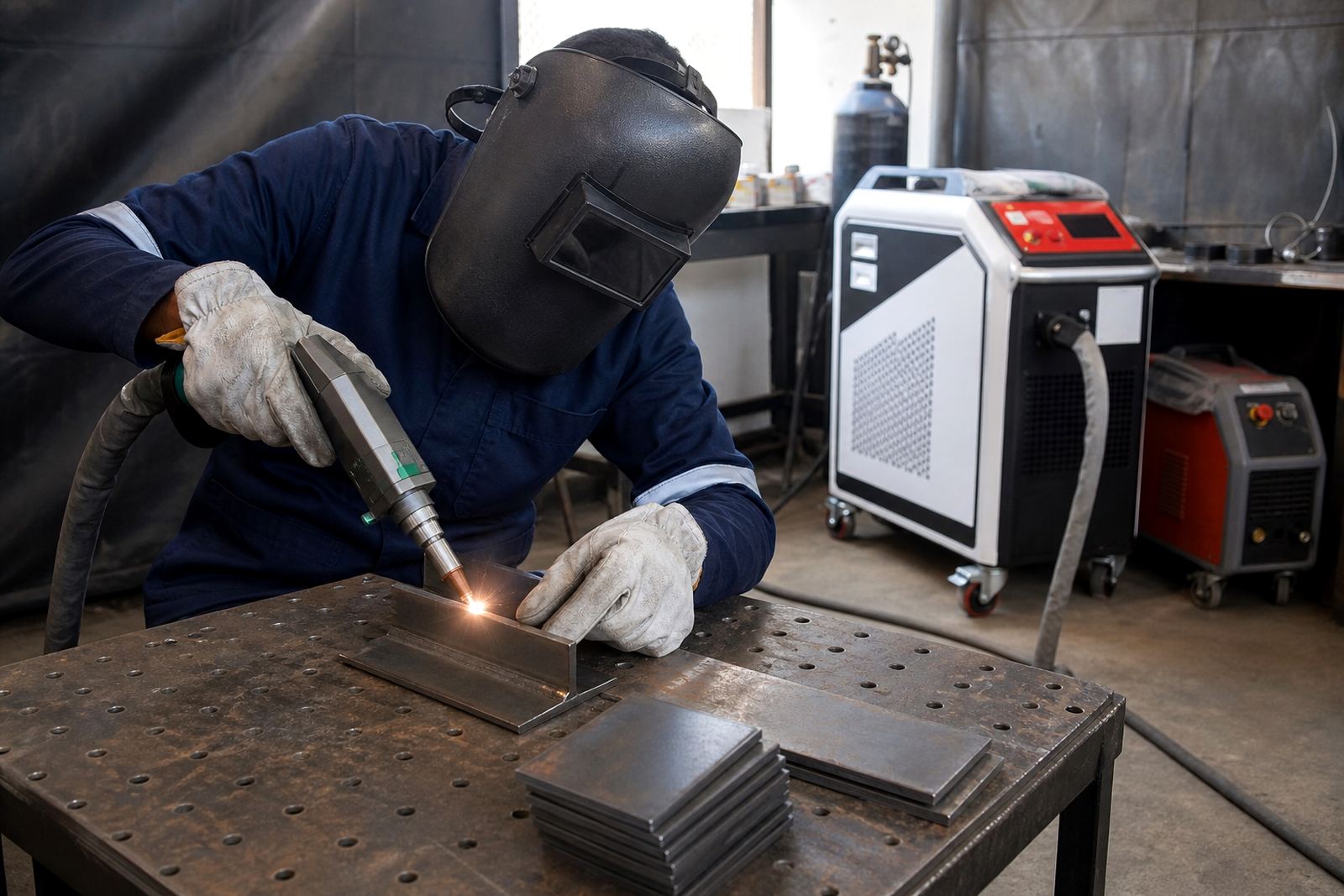
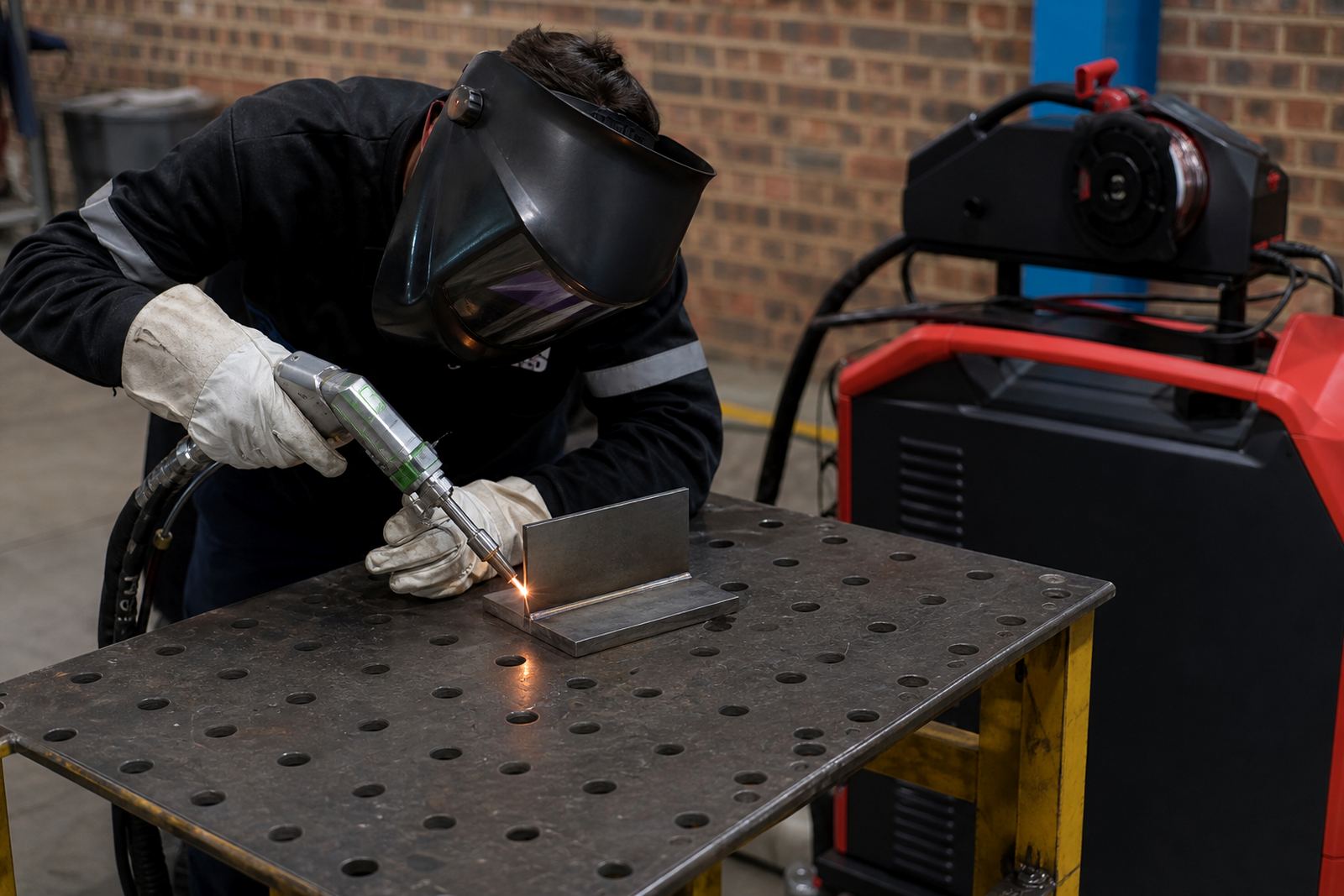
This course is for learners who already know the basics of handheld laser welding and want better control on real workpieces. The focus is on fit-up, torch handling, corner starts, heat management and how to keep bead shape consistent when the job changes from flat runs to tighter sections. It is a hands-on course, so you spend time setting up, welding and checking results rather than only listening to theory.
We work with common workshop materials and typical thickness ranges used in light fabrication, repair work and short production runs. The aim is to help you make cleaner welds with less rework, especially where parts must line up properly and the finish matters. Learners also get guidance on how to choose the right speed, angle and focal position for different joints.
Course Size, Format and Who It Suits
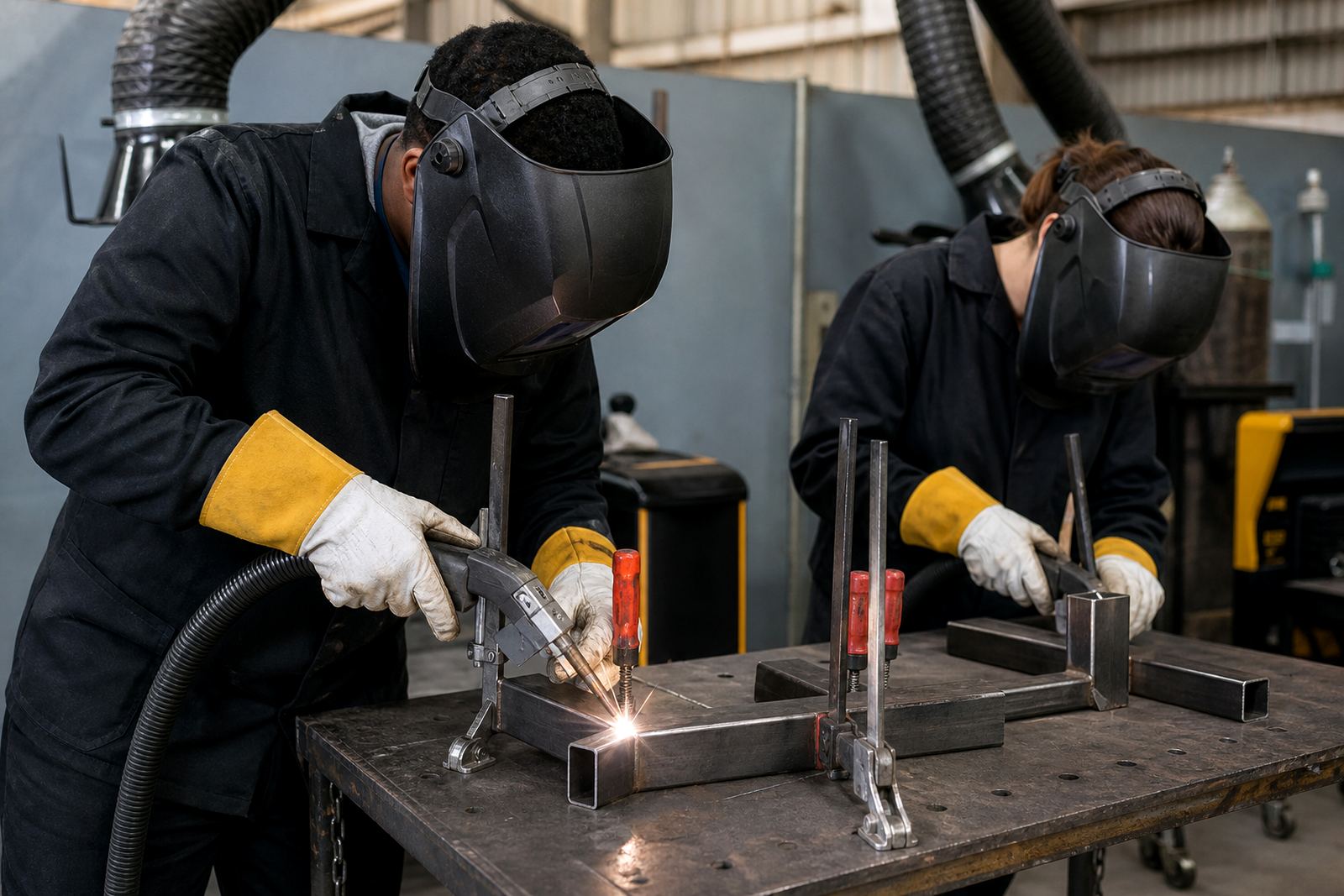
The Intermediate Laser Course is suited to individuals, small teams and workshop staff who want practical improvement without jumping straight into advanced production training. It is useful for fabrication shops, maintenance teams, custom metal work and businesses that want operators to handle handheld laser work more confidently.
We offer the course in a workshop format with guided demonstrations and supervised practice. Group training can be arranged for businesses that want multiple operators trained together, while individual learners can join scheduled training dates in Boksburg. The same course content can be applied to Johannesburg, Pretoria, Durban, Cape Town, Polokwane and surrounding areas when learners travel in, or when a company books a site visit for follow-up support.
The course suits people who already understand basic safety and machine handling. If a learner is still at the very beginning, we usually recommend starting with the basic course first so the intermediate work goes smoother and the learner gets more value from the session.
Installation, Power and Workshop Requirements
Handheld laser welding equipment needs a stable setup and enough space for safe movement around the work area. The machine itself is usually kept on level flooring with clear access to the workbench, cable routing and cooling space. For workshops in Gauteng and along the coast, it is also worth checking dust, moisture and humidity levels, because both can affect day-to-day use and storage.
Most training setups need standard workshop power with a reliable supply and proper protection against interruptions. Where load-shedding is part of the day, a backup plan is useful for cooling, lighting and safe shutdowns. Gas needs depend on the material and application, but shielding gas supply should be clean, dry and fitted correctly. We also advise learners to check that extraction is suitable for the type of metal and the amount of fumes expected.
- Clear floor space around the welding position
- Stable power supply with correct protection and cabling
- Dry gas lines and correct regulator setup
- Local extraction or ventilation suited to the task
- Storage area for torches, lenses and consumables
Safety Standards We Cover in Training
Safety is part of the course, not an extra. We cover the laser class used on site, why controlled access matters and how to prevent accidental exposure. Eye protection is discussed in detail because laser work can damage eyes quickly if the wrong viewing habits or incorrect protection are used. Learners are shown how to check that the correct protective eyewear is available, clean and worn properly before work starts.
Fume extraction is another important part of the session. Even when the weld looks clean, the process can produce fumes and fine particles that should be removed at source where possible. We explain where to place extraction, how to keep the work zone clear and what to do when welding on coated or contaminated material. Learners also get practical guidance on safe positioning, warning signs and keeping bystanders away from the beam path. One small habit can make the differance between a tidy shift and a close call.
- Laser class awareness and controlled work area access
- Correct eye protection for the application
- Extraction and ventilation checks before welding starts
- Safe handling of reflective and coated materials
- Housekeeping around cables, leads and workpieces
Starter Kits and Workshop Add-Ons
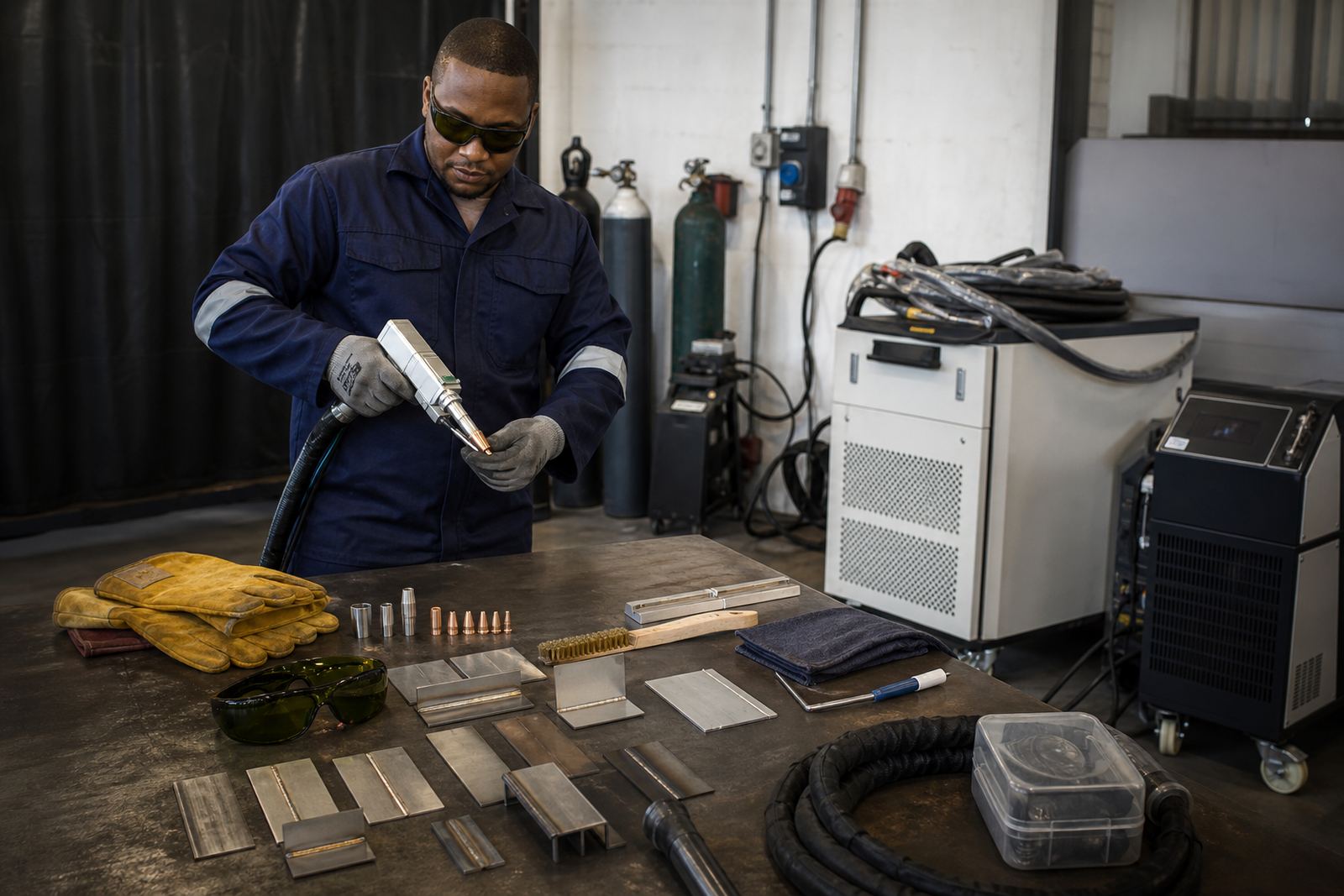
Learners who want to practise after the course can ask about starter kits suited to handheld laser welding. These are arranged as practical workshop packages rather than decorative extras. The kit contents depend on the learner’s setup, the type of material being welded and whether the focus is training, repair work or small-volume production.
A starter kit may include a handheld torch set-up, basic safety items, common consumables, simple cleaning tools and support items for practising fit-up and finish. For workshops, we also help with setup planning so the kit matches the machine, the work environment and the kind of jobs being handled. The main point is to keep the first setup usable from day one, not overcomplicated. That saves time when you are juggling orders, staff and the usual pressure of workshop work.
- Starter kit setup guidance
- Consumables planning for practice and daily use
- Supervisor coaching for small teams
- Refresher visits for staff who need more guided practice
- Technical help after the course
Care, Servicing and What to Check Before You Book
Good care starts with keeping the welding area clean and dry, and with checking optics, torch parts and cables before each session. After training or active workshop use, the equipment should be cleaned according to the manufacturer’s instructions, with attention to dust, spatter and worn parts. In humid coastal areas, storage matters too, because moisture can shorten the life of sensitive components.
When booking the course, check the learner’s current skill level, the material types they work on, and whether they need extra focus on corners, fit-up or quality checks. It also helps to confirm the power available at the venue, whether extraction is already in place, and if the team needs an operator induction or a short safety briefing before the practical work begins. For businesses, we can also assist with site readiness checks and a training document pack for internal records.
If you are ordering a course for a team, make sure the names of the attendees, the training site and the preferred follow-up support are confirmed early. That keeps the day organised and gives the instructor time to match the exercise plan to the group’s actual work.
Key facts
| Course level | Intermediate practical handheld laser welding |
|---|---|
| Course format | Hands-on workshop training with supervised practice |
| Certificate | Certificate of completion from LaserWelder Training |
| Typical learner fit | Operators moving beyond basic laser welding control |
| Training base | Boksburg, Gauteng |
| Support options | Starter kit setup, refresher visits, technical help |