

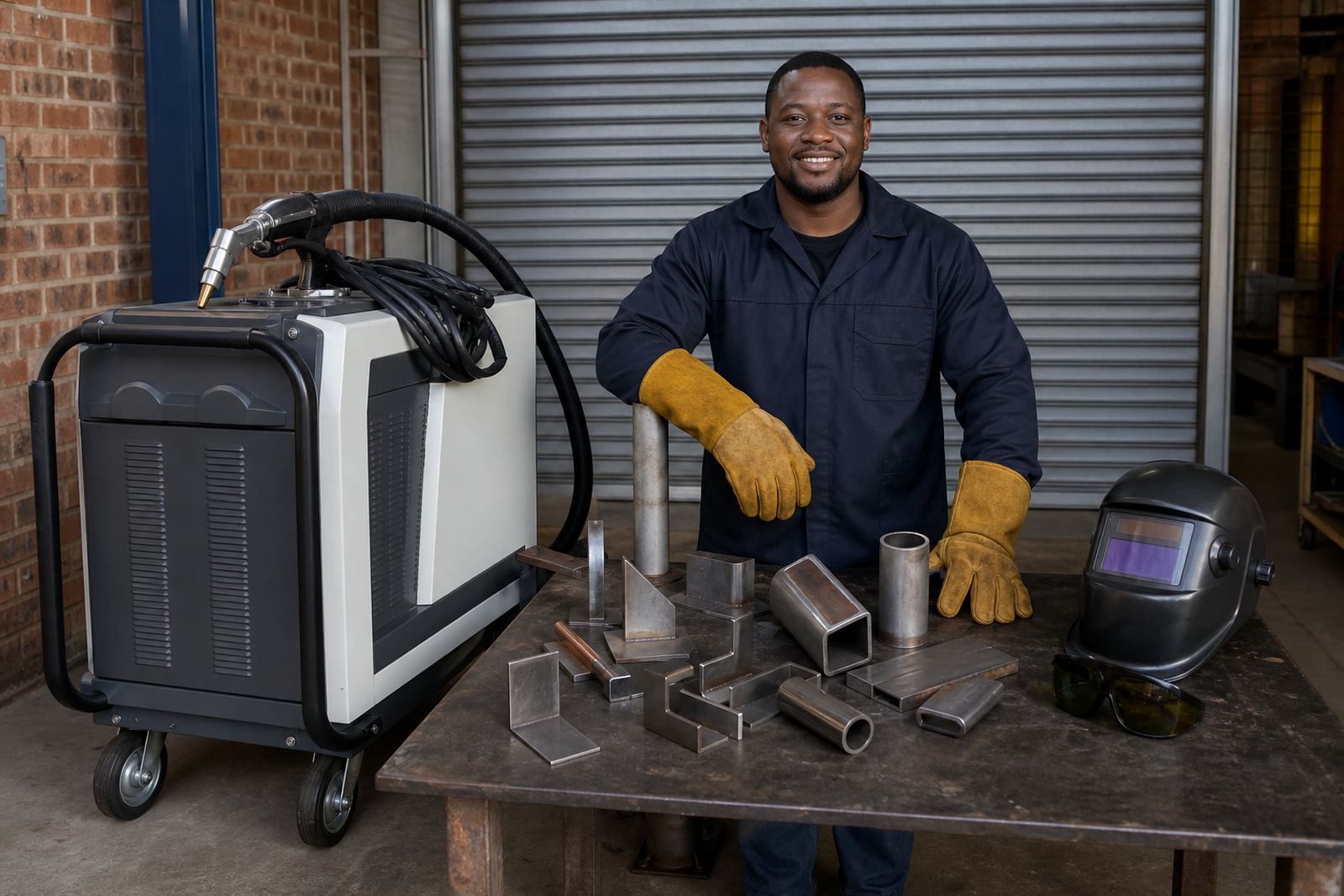
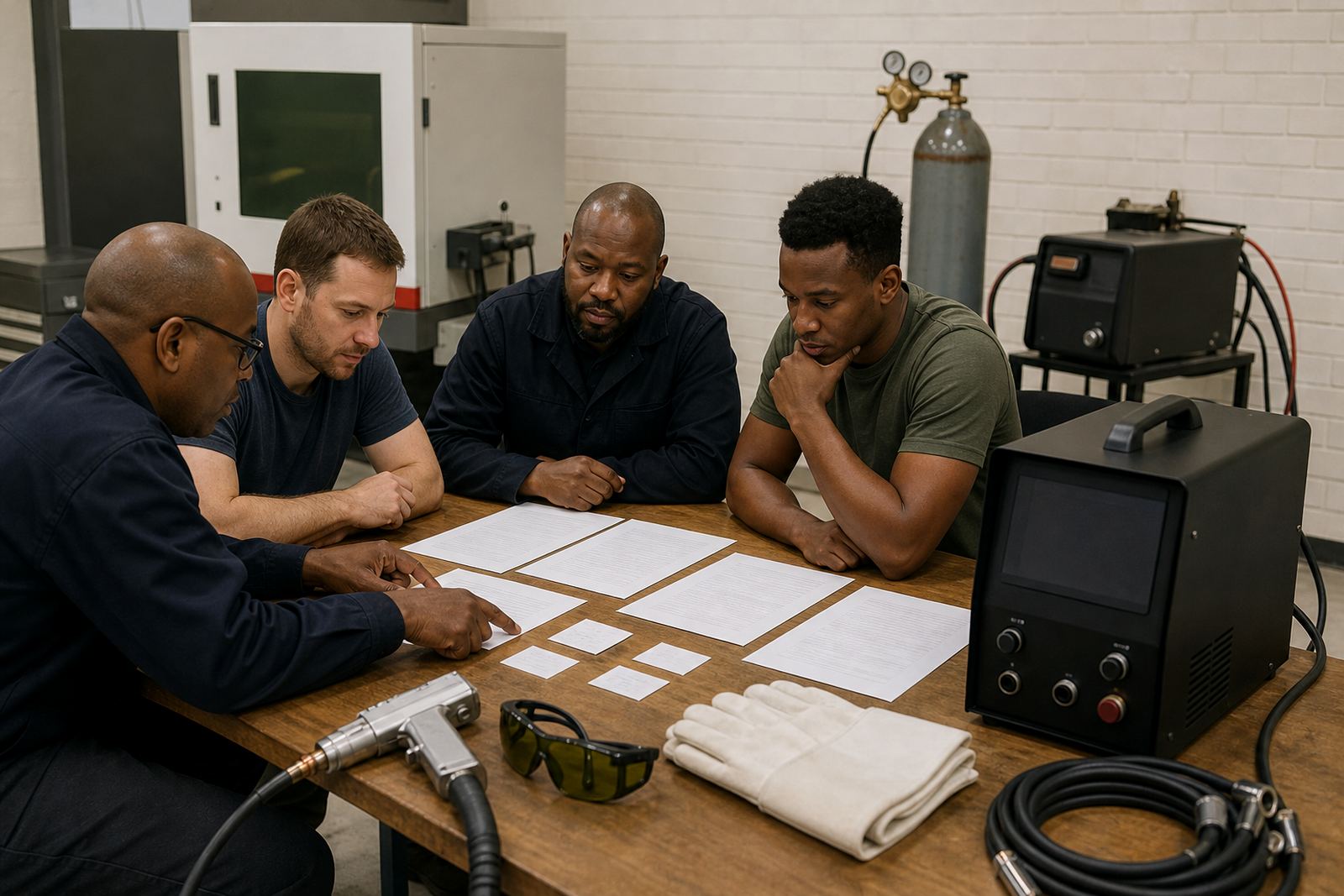
How to Use These Laser Welding Guides
Start with the guide that matches where you are now. If you are new to handheld laser welding, begin with the course and safety pages. If you already run a workshop, look at the kit and readiness guides so you can check power supply, space, ventilation and day to day workflow before you buy.
Each guide is written for practical decisions. You will find clear notes on what the equipment is meant to do, what a learner should practise first, and what a workshop should have in place before training starts. The aim is to help you avoid buying gear that is out of step with your jobs or your setup.
Choosing a Course That Fits Your Skill Level
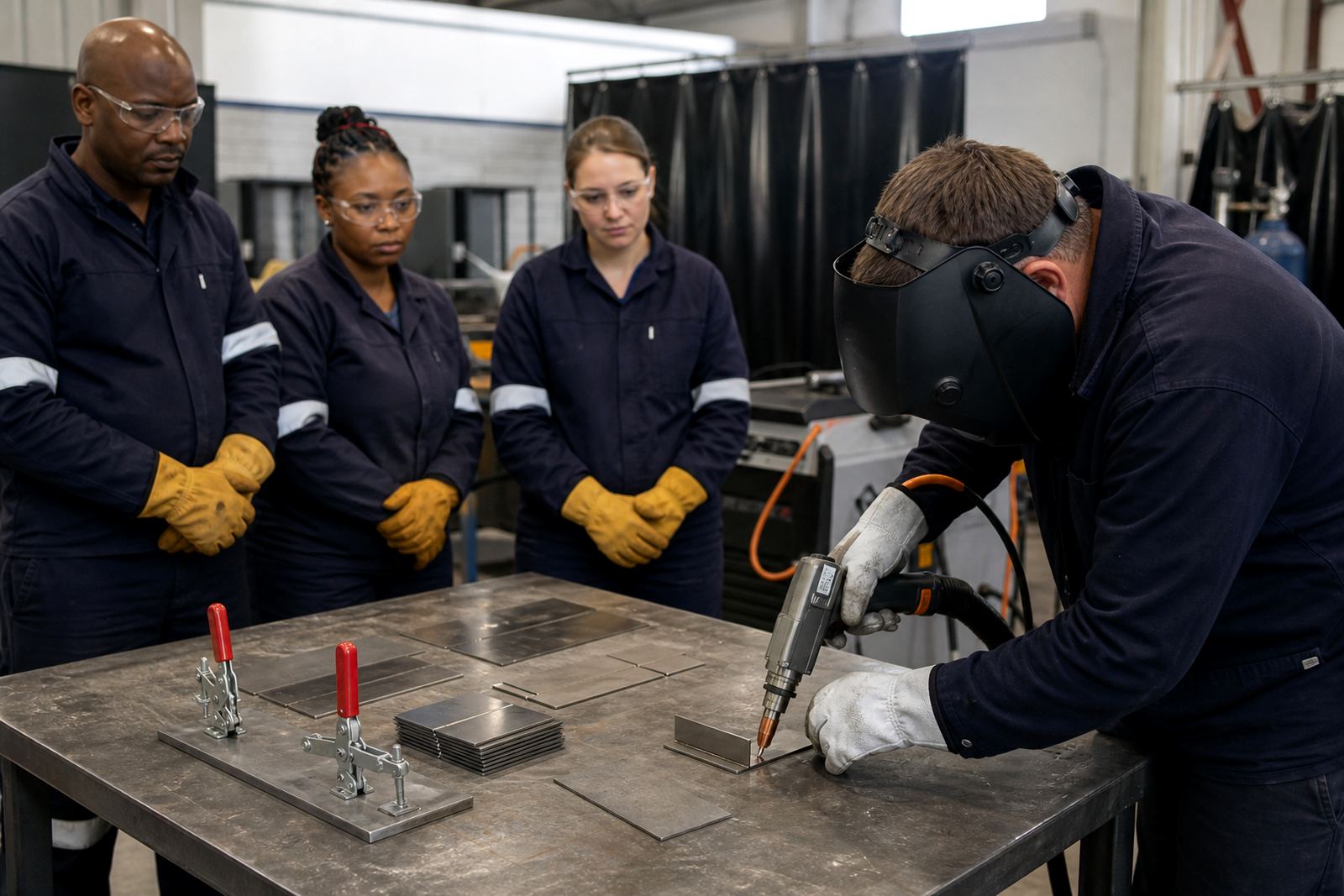
Laser welding is not the same as general workshop welding, so the right course depends on whether you need basic handling or more focused practice for production work. A good starting point is to think about the materials you work with, the finish you need, and how much hands on time your team needs before they can work safely and confidently.
- Beginners usually need more time on torch control, joint preparation and machine settings.
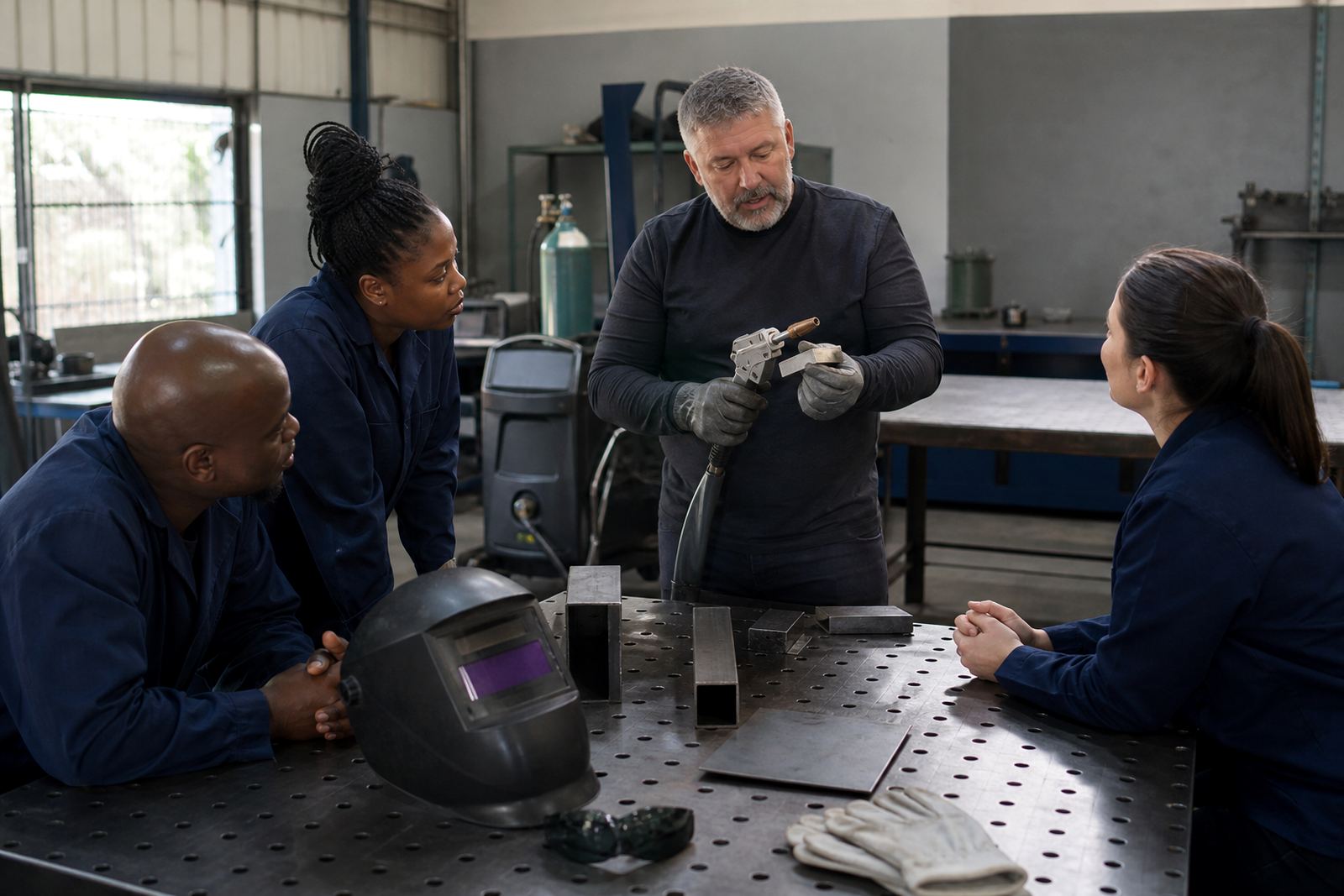
- Workshops often need operator inductions, safety briefings and workflow advice for more than one user.
- Supervisors benefit from coaching on quality checks and day to day support.
- Refresher visits help when a team has changed or has not used the equipment for a while.
What to Look For in a Starter Kit
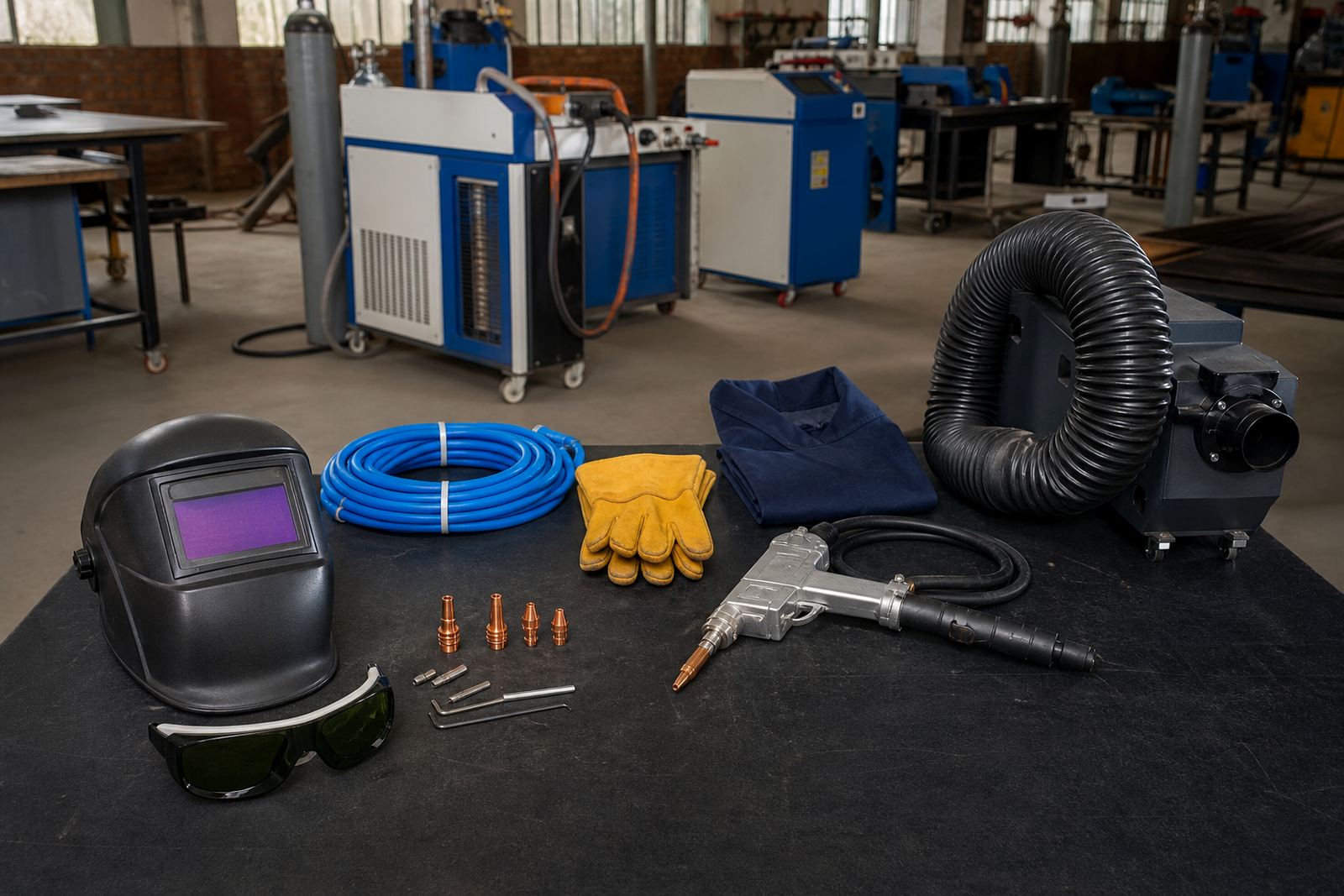
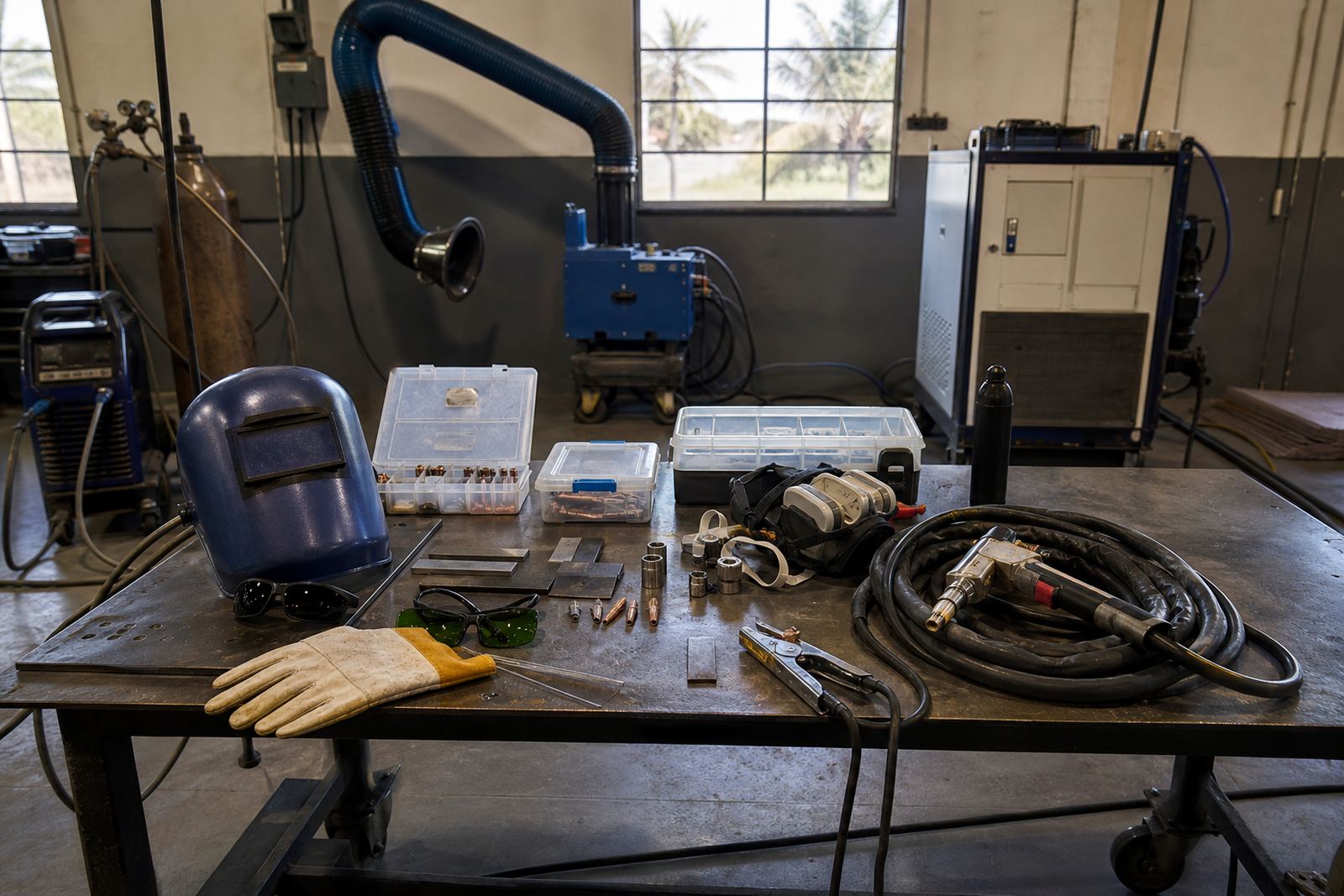
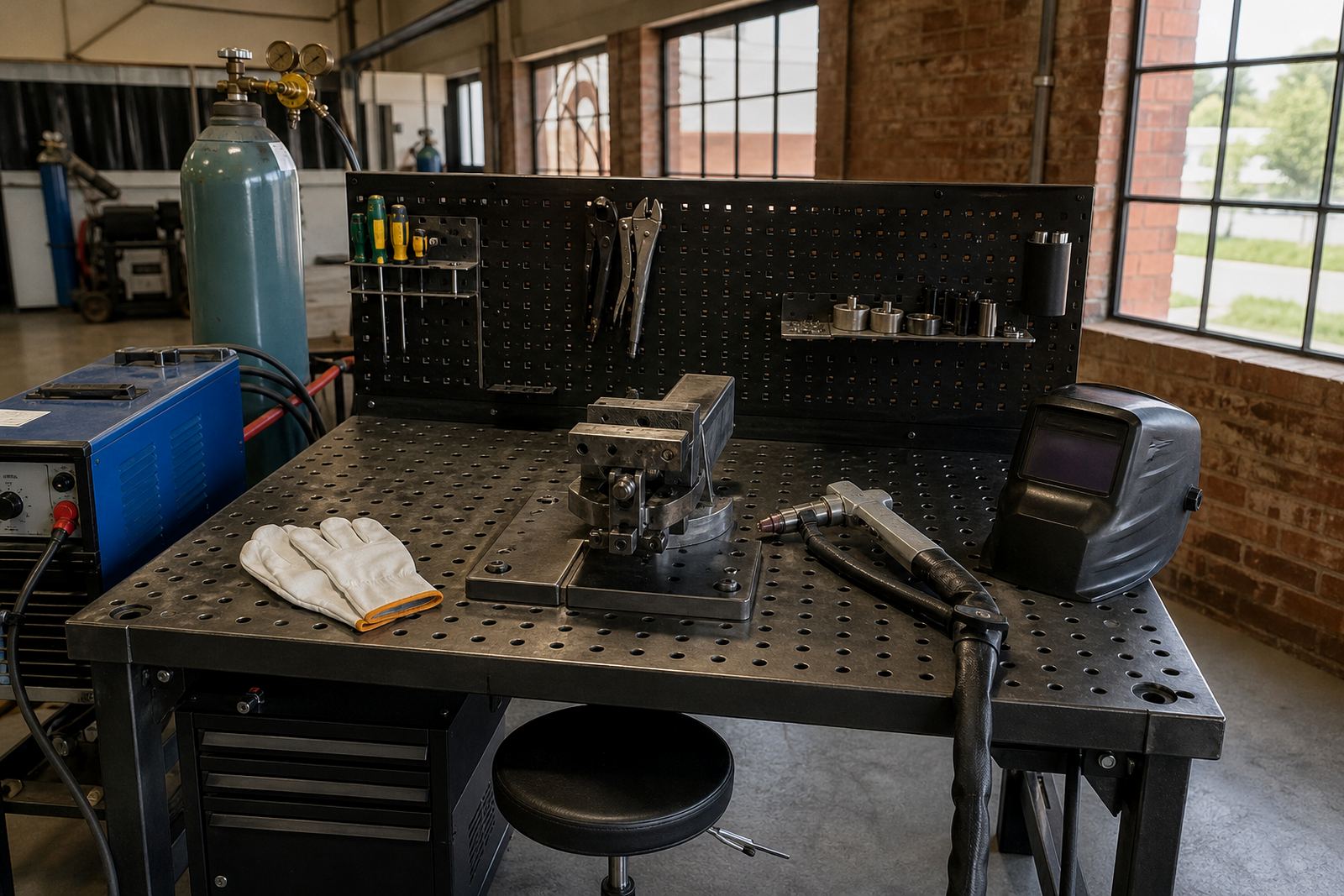
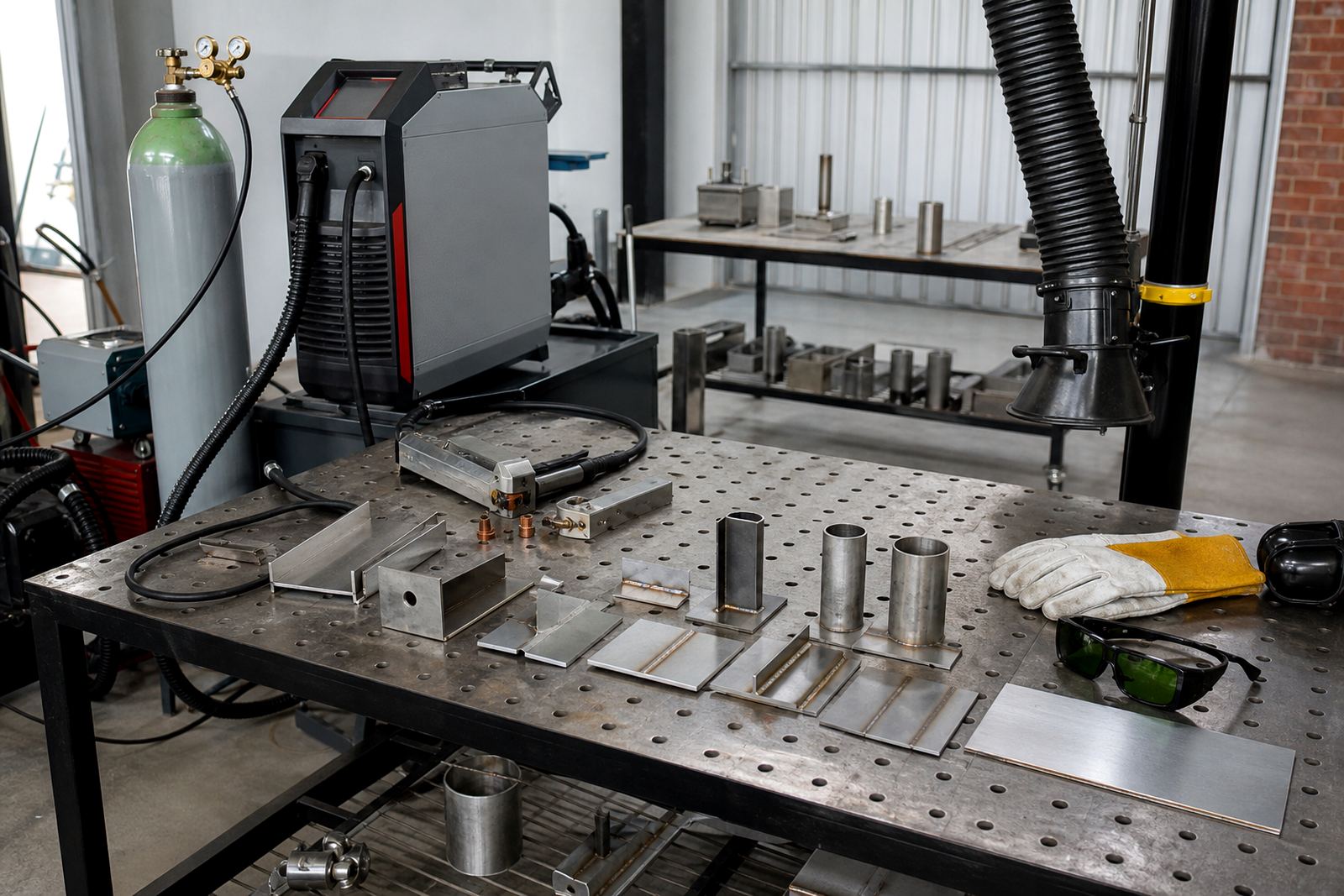
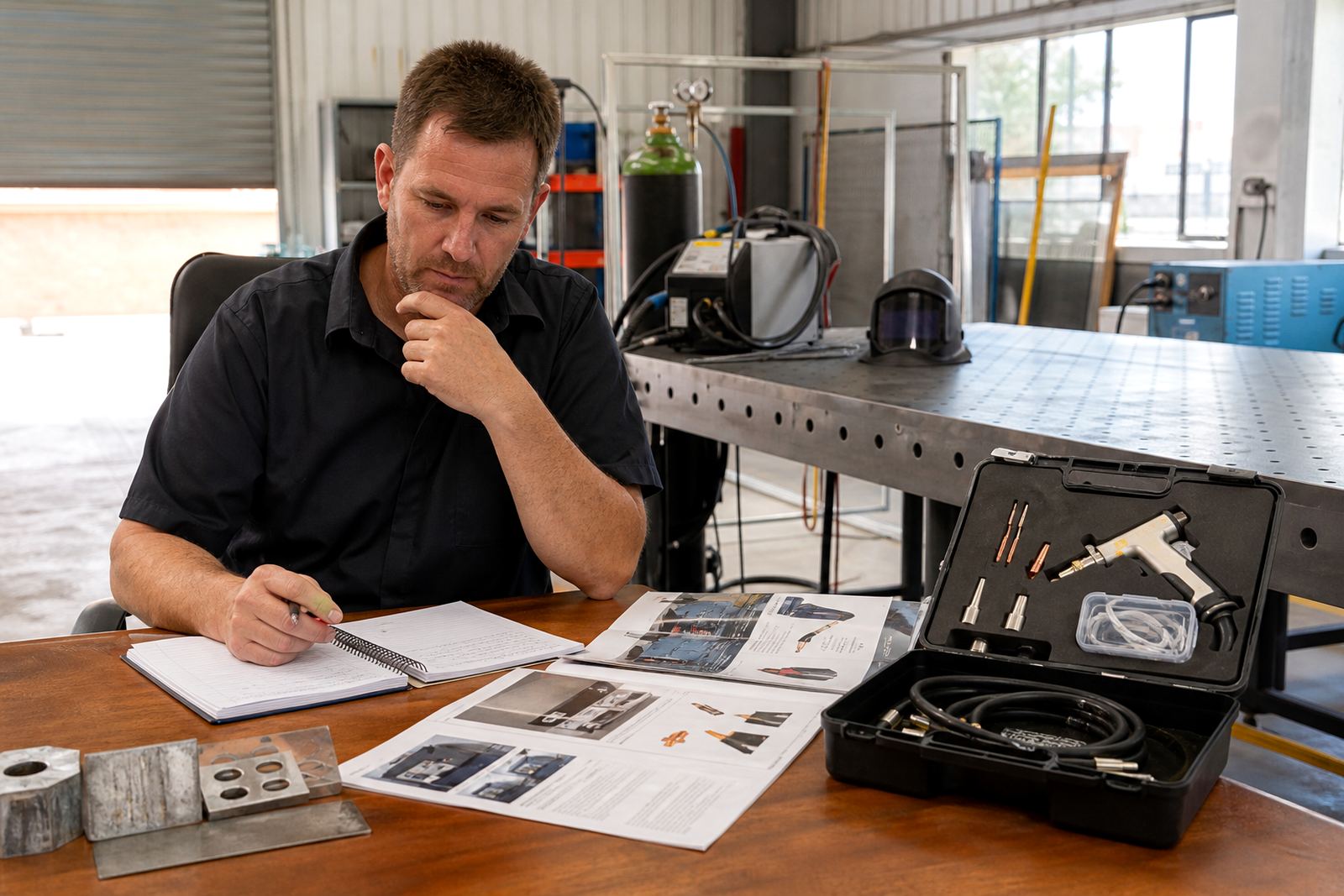
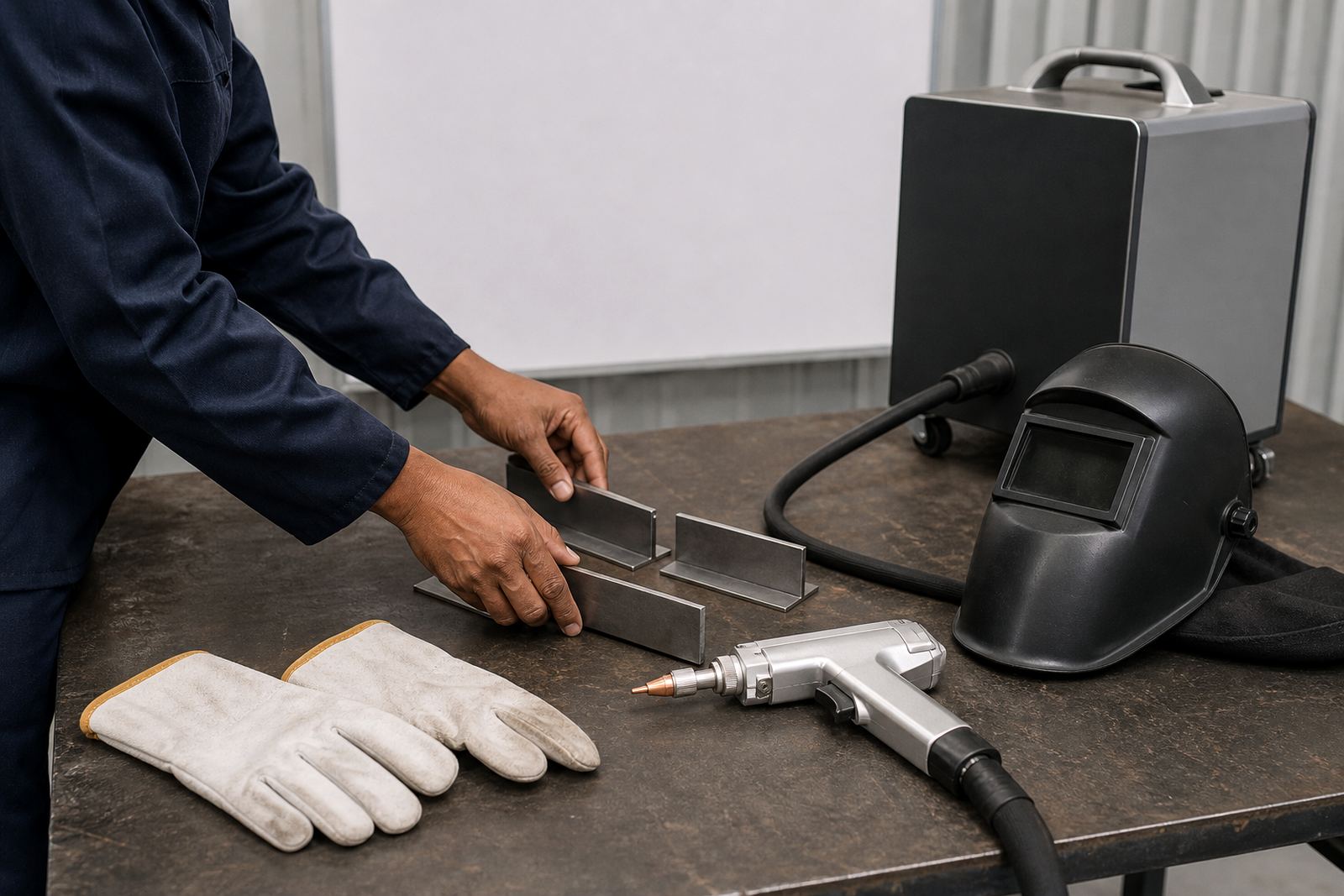
A starter kit should support learning, not complicate it. For handheld laser welding, that usually means a workable setup for practice, cleaning, basic setup, and safe operation. The exact contents depend on the learner and the workshop, but the kit should make it easier to begin with small, controlled jobs rather than jump straight into difficult work.
- A clear list of what is included and what is still needed on site.
- Consumables planning so the team is not caught short mid week.
- Setup support that explains where each item fits in the workflow.
- Technical help for first time use and early troubleshooting.
In Gauteng, coastal towns and inland sites do not face the same conditions. Dust, humidity and load-shedding all affect how equipment is stored and used, so a starter kit guide should help you plan for the real workshop environment.
Safety Basics Every Buyer Should Understand
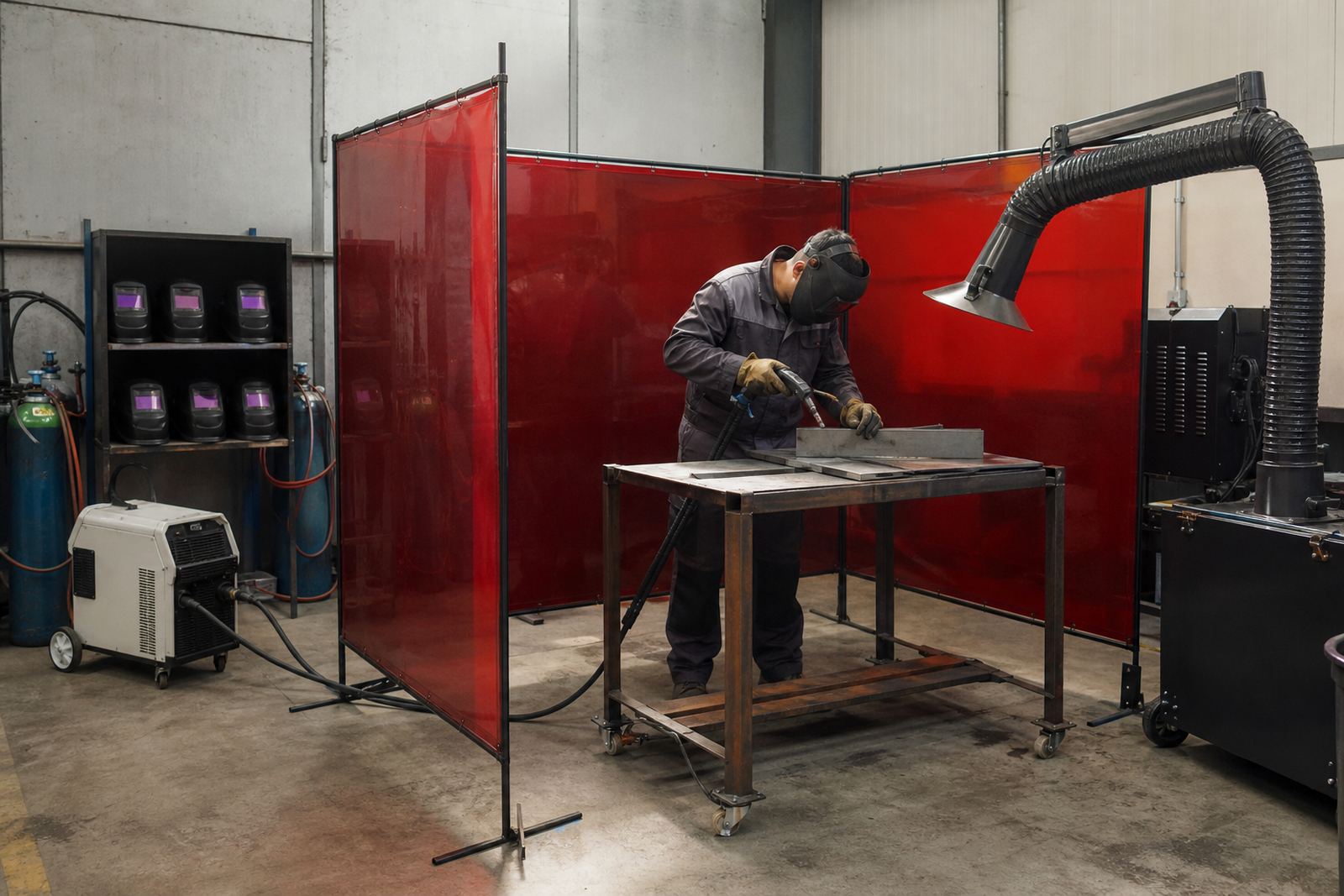
Laser welding needs proper safety controls from day one. These guides explain the basics in plain language, including laser class, eye protection and fume extraction. The right controls depend on the machine, the job and the room, but no workshop should rely on guesswork.
Good safety practice usually includes the following:
- Understanding the laser class and the exposure risks linked to it.
- Using suitable eye protection for the work area and task.
- Providing fume extraction or local extraction where needed.
- Keeping the work area clear, signed and controlled during use.
For businesses in Boksburg, Johannesburg and Pretoria, these points matter just as much in a small repair bay as they do in a larger production space. A short safety briefing can prevent costly mistakes and help new operators settle in properly.
Workshop Readiness for South African Conditions
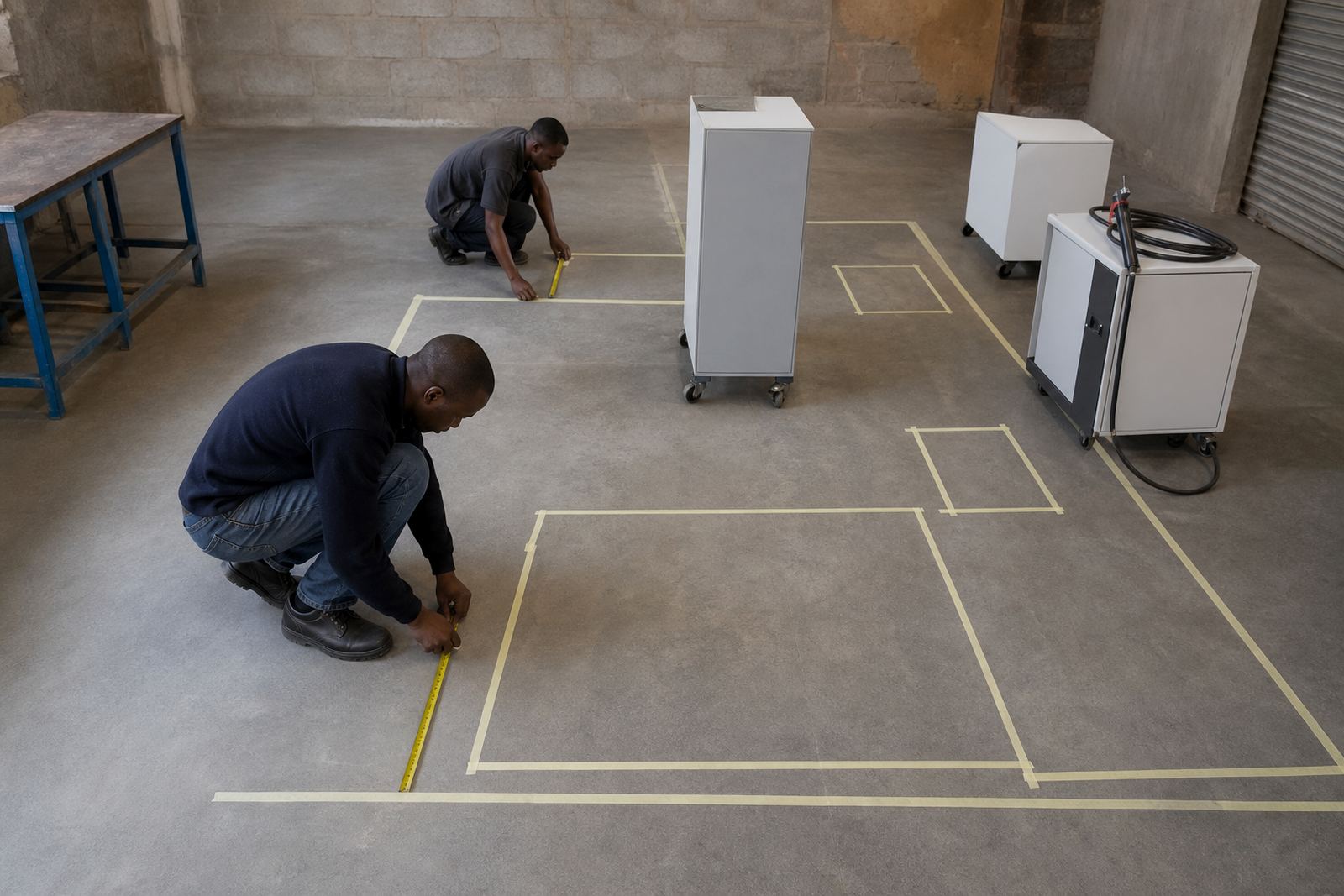
Before a course or kit arrives, your workshop should be checked for practical readiness. That means enough floor space, a sensible power plan, clean working surfaces and room for safe movement around the equipment. It also means checking whether your site can handle power interruptions and whether you have a plan for dust, heat or moisture.
Useful readiness points include:
- Space for the machine, operator and workpiece without crowding.
- Stable power supply and a backup plan for load-shedding.
- Ventilation and extraction suited to the jobs you will do.
- Storage for consumables, tools and protective gear.
If your site serves vehicles, fabrication, maintenance or sheet metal work, this planning saves time later. It also helps the team work in a steady rhythm instead of stopping and starting because something small was overlooked.
What the Guides Cover for Buyers and Teams
These guides are written for individuals, workshop owners and supervisors who need straightforward answers. They cover training choices, kit setup, safety, site checks and follow up support, with enough detail to make a sound decision without overloading the reader.
Use the pages to compare your needs, then match them to the right service or kit support. Depending on your situation, you may need one guide or several, especially if your team is spread across branches or working in different towns.
- Site readiness checks for workshops before training starts.
- Operator inductions and safety briefings for new users.
- Practice plans for learners who need steady repetition.
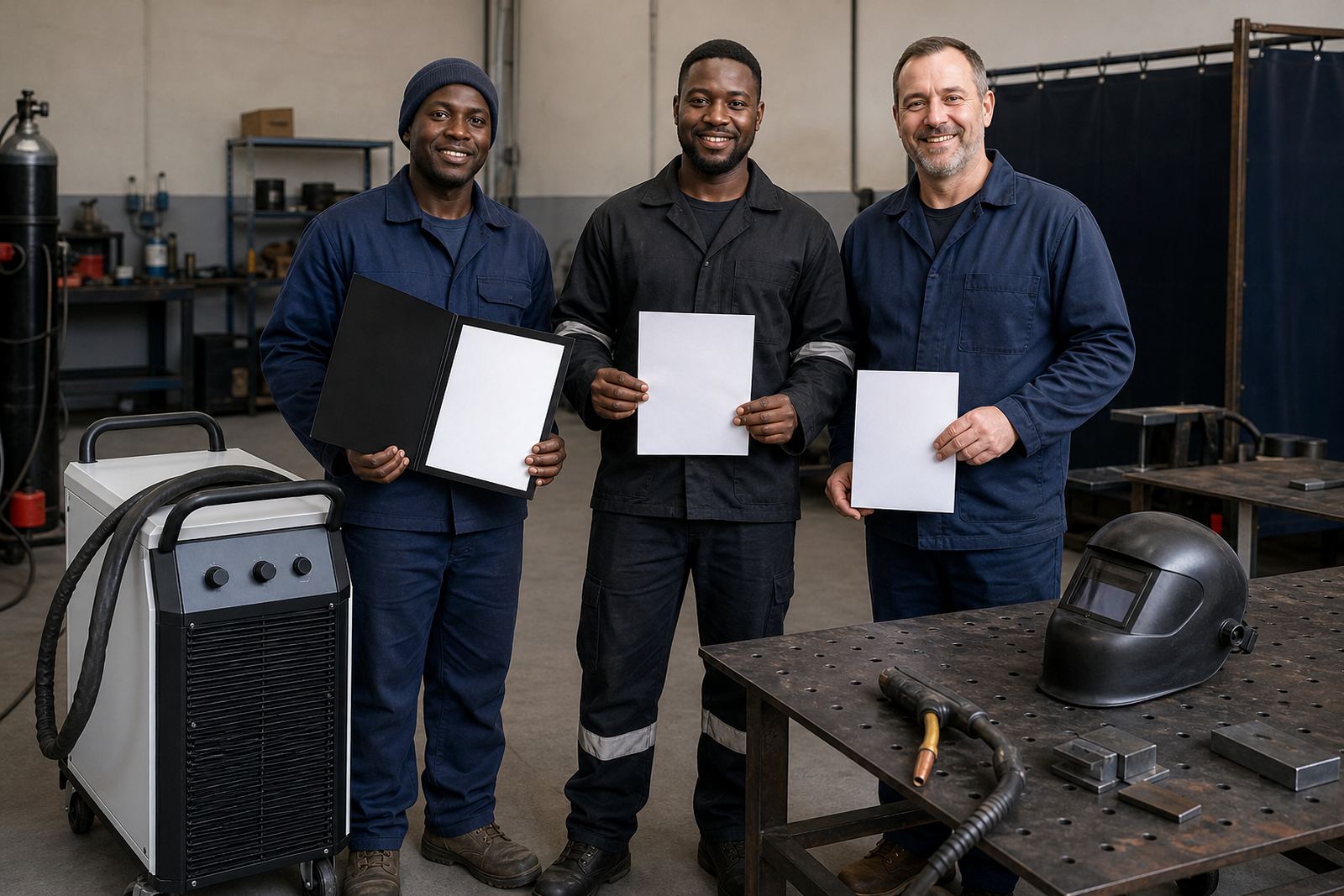
- Training document packs for record keeping and internal handover.
If you are based in Boksburg or supporting teams in Durban, Cape Town or Polokwane, these guides help you choose what fits local work patterns and workshop demands.