When Private Coaching Makes More Sense
Private coaching works well when a learner or workshop needs targeted attention instead of following a group pace. It is often the better option if you are new to handheld laser welding, need a refresher after time away from the machine, or want help with a specific material, joint type, or workflow that keeps giving you trouble.
It is also useful for small teams that want quick alignment before they start using a new starter kit. In a busy workshop, one good session can save days of trial and error, especially when you are balancing production, load-shedding, and limited floor space. Private coaching gives the instructor time to watch your method closely and correct small issues before they become habits.
- Good for beginners who need step by step guidance
- Useful for operators changing from another welding method
- Helpful when a workshop needs a site specific setup
- Best when you want direct feedback on technique and safety
What Handheld Laser Welding Coaching Covers
Private coaching usually covers the practical side of handheld laser welding from start to finish. That includes how the unit is set up, how the torch or hand piece is controlled, how to choose the right settings for the material, and how to keep the work area organised. The aim is not only to weld, but to weld with control and repeatable results.
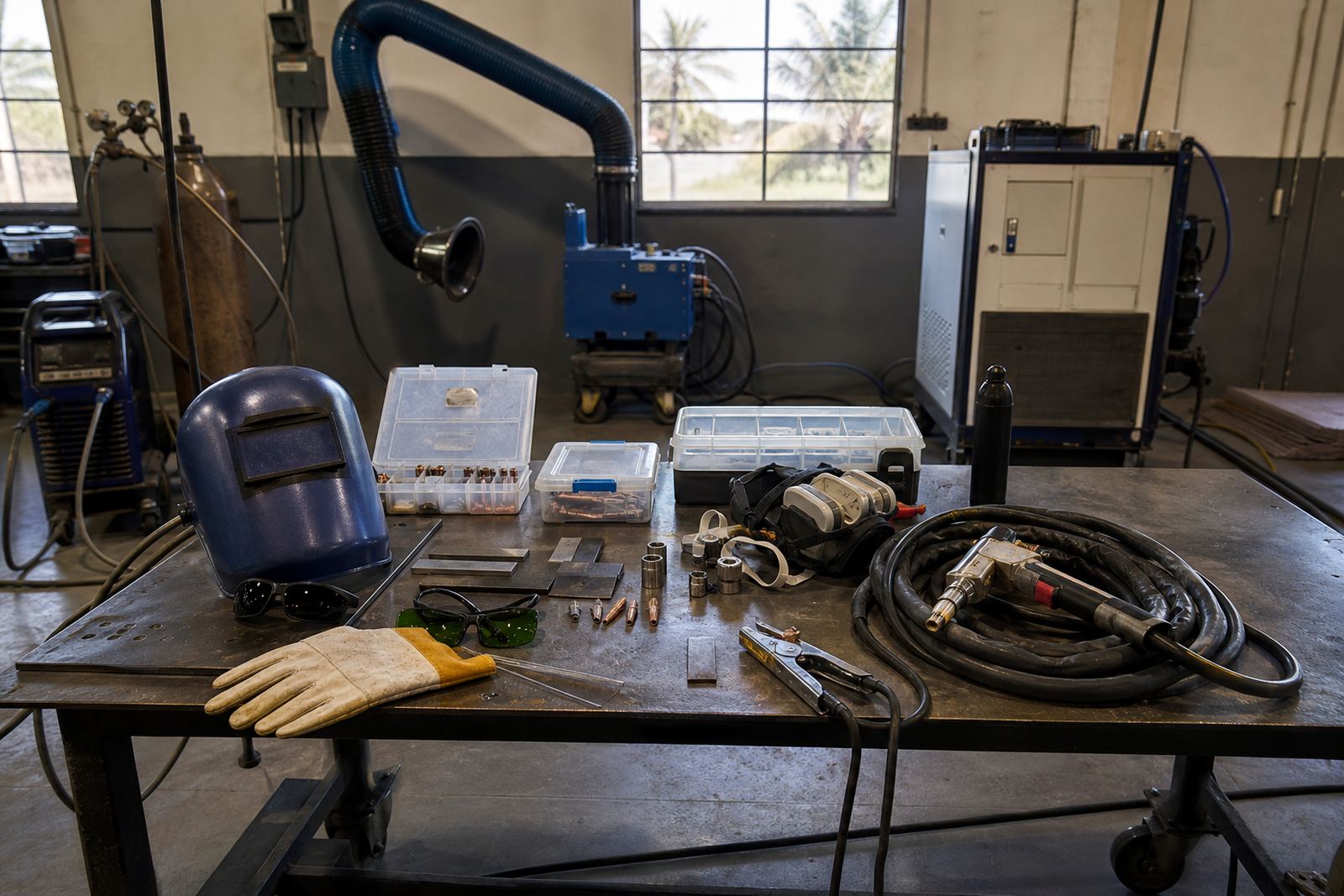
Safety is part of every session. Laser welding is normally taught with the correct laser class in mind, along with the right eye protection for everyone in the area. We also look at fume extraction, because even clean looking welds can give off smoke and fine particles. On some jobs, especially in enclosed spaces, extraction and ventilation need to be planned before the first bead is laid.
- Machine familiarisation and basic controls
- Joint prep, fit up and hand position
- Speed, angle and travel control
- Eye protection and laser safe working distance
- Fume extraction and workshop airflow
- Cleaning, inspection and post weld handling
Before the Session: What to Prepare
The more prepared you are, the more useful the coaching becomes. Before the session, gather the exact material samples you want to work on, the thicknesses you use most often, and any offcuts that can be used for practice. If the coaching will happen at your premises, make sure the area has enough power supply, safe access, and enough room to move around the workstation.
For workshops in Johannesburg, Pretoria, Durban, Cape Town or Polokwane, preparation can also mean checking how the room handles heat, dust, coastal humidity, or poor lighting. A clean bench and a clear floor make a big difference. If your site has interruptions from load-shedding, plan how you will handle the session if power cuts affect extraction, lighting or the unit itself.
- Current material samples and thickness details
- Any clamps, jigs or fixtures you already use
- Correct PPE, including eye protection
- Access to power and a clear work area
- Extractor or ventilation plan
- Questions or problem areas you want covered
How to Prepare Your Team for an Induction
If you are booking private coaching for a small team, start with a short operator induction before the practical work begins. That helps everyone understand the same rules for access, PPE, machine handling and housekeeping. It also gives the trainer a clear picture of who will be using the equipment day to day, and who will need extra guidance.
A good induction should cover the basics of safe movement around the machine, who may switch it on, where the workpiece will be placed, and who checks the area before use. If you have supervisors, include them in the discussion so the coaching fits the real workflow. This keeps the process practical rather than theoretical, and it helps avoid confusion after the trainer leaves.
- Nominate one site contact for the session
- Confirm who will attend and what each person does
- Set clear rules for access to the welding area
- Explain cleaning, storage and shutdown steps
- Decide who will follow up after the session
Starter Kits and Setup Advice
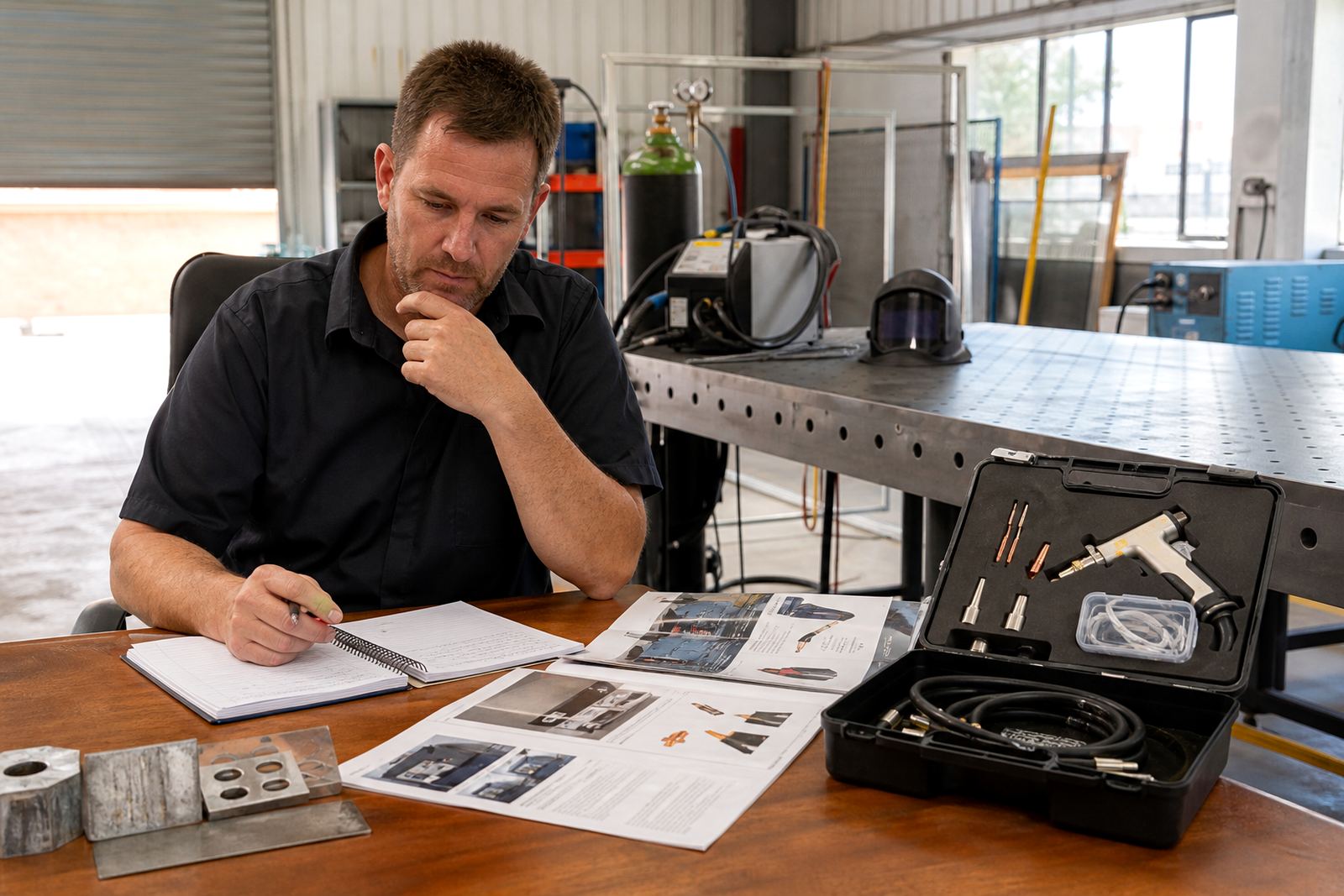
Many learners ask about starter kits because a good setup makes practice easier. A typical starter kit for handheld laser welding can include basic consumables, cleaning tools, sample materials, handling accessories and items needed for safe daily use. The exact contents depend on the work you plan to do, the thickness of the metal, and the type of finish you need.
Private coaching is a good time to check whether a kit suits your workshop. Not every site needs the same setup. A small repair bench in Boksburg may need a different consumables plan from a fabrication workshop doing repeat jobs across several bays. During setup advice, the goal is to make sure the kit supports the work, rather than sitting in the corner unused.
We also look at storage, cable routing, cleaning habits and basic maintenance. If a machine is stored in a coastal area, moisture control matters. If the site is busy, then clear labelling and simple rules help keep consumables from going missing.
After the Coaching: What Good Follow Up Looks Like
Once the practical work is done, the real value comes from what happens next. Good follow up means you leave with notes, a clearer method, and a plan for practice. You should know what to repeat, what to watch out for, and when to ask for another refresher visit. If the team is learning together, it helps to assign one person to keep the training document pack and record any questions that come up during the week.
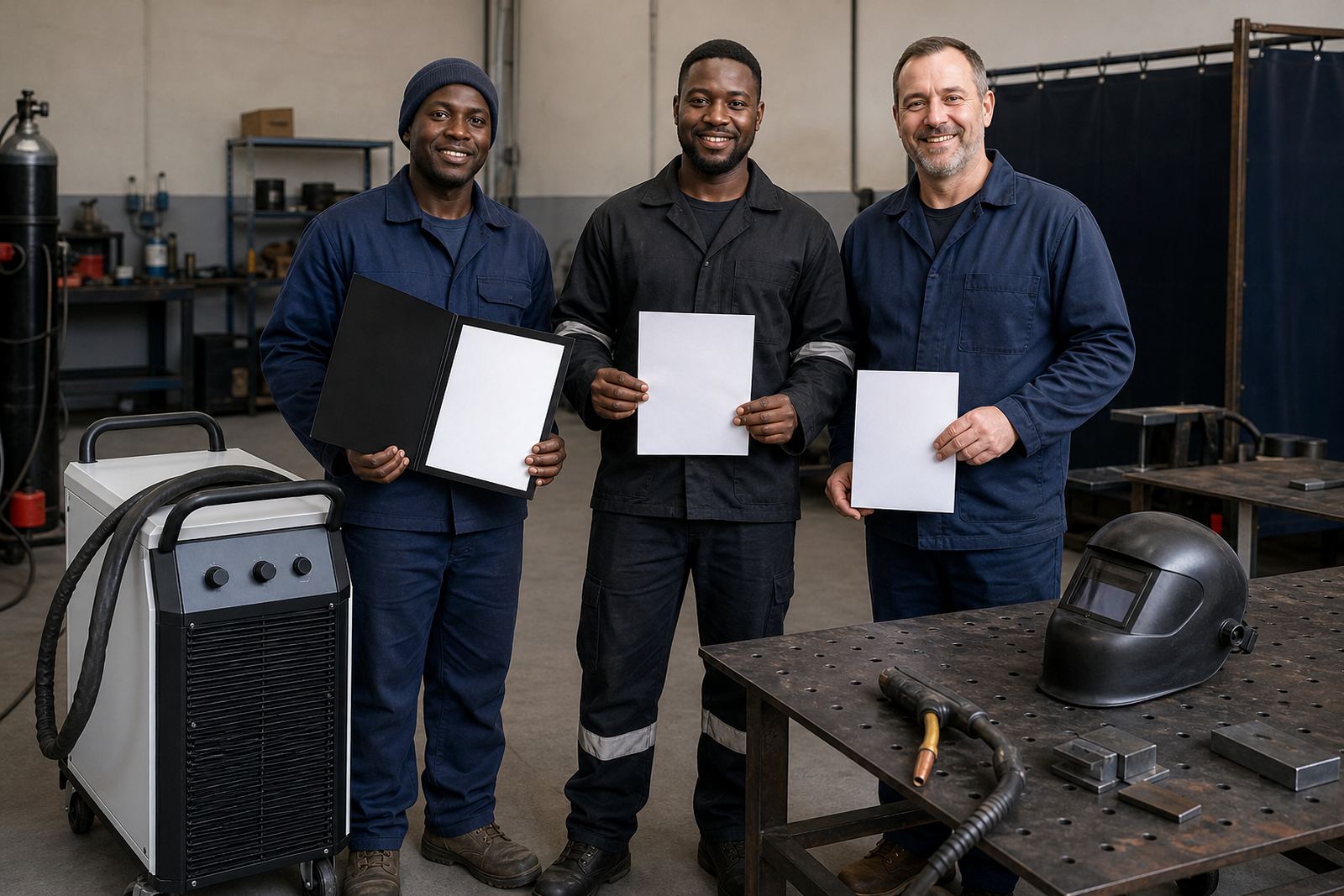
At the end of the programme, learners can receive a certificate of completion from LaserWelder Training. That certificate confirms attendance and completion of the coaching provided, but the important part is the working knowledge behind it. With the right follow up, your team can keep improving without guesswork.
- Review the training notes within 24 hours
- Practise the agreed workflow on test pieces
- Log any faults, questions or repeat issues
- Book a refresher if the process changes