
What the Certificate of Completion Covers
Our certificate of completion is issued by LaserWelder Training after a learner finishes the agreed course requirements and practical assessment. It confirms that the learner took part in hands-on training in handheld laser welding, safety controls, basic setup, operating practice and the correct care of tools and consumables.
The certificate is useful for workshops, small fabrication teams and individual learners who want a clear record of training completed with us. It is not a trade licence and it does not replace site rules, employer induction or machine specific operating requirements. It is a practical record that shows the learner has been trained by our team in the course content covered on the day.
Before You Attend Training: Documents and Readiness Checks
Good records start before the first weld. For Boksburg, Johannesburg, Pretoria and other sites across Gauteng and beyond, we always advise learners to arrive with the right paperwork and the right understanding of the training setup. That saves time and helps the instructor focus on the practical work.
- Bring a clear copy of your ID or company attendance details if the course is booked through a business.
- Wear closed shoes, long trousers and suitable work clothing for workshop use.
- Check whether the venue has a stable power supply or backup plan for load-shedding.
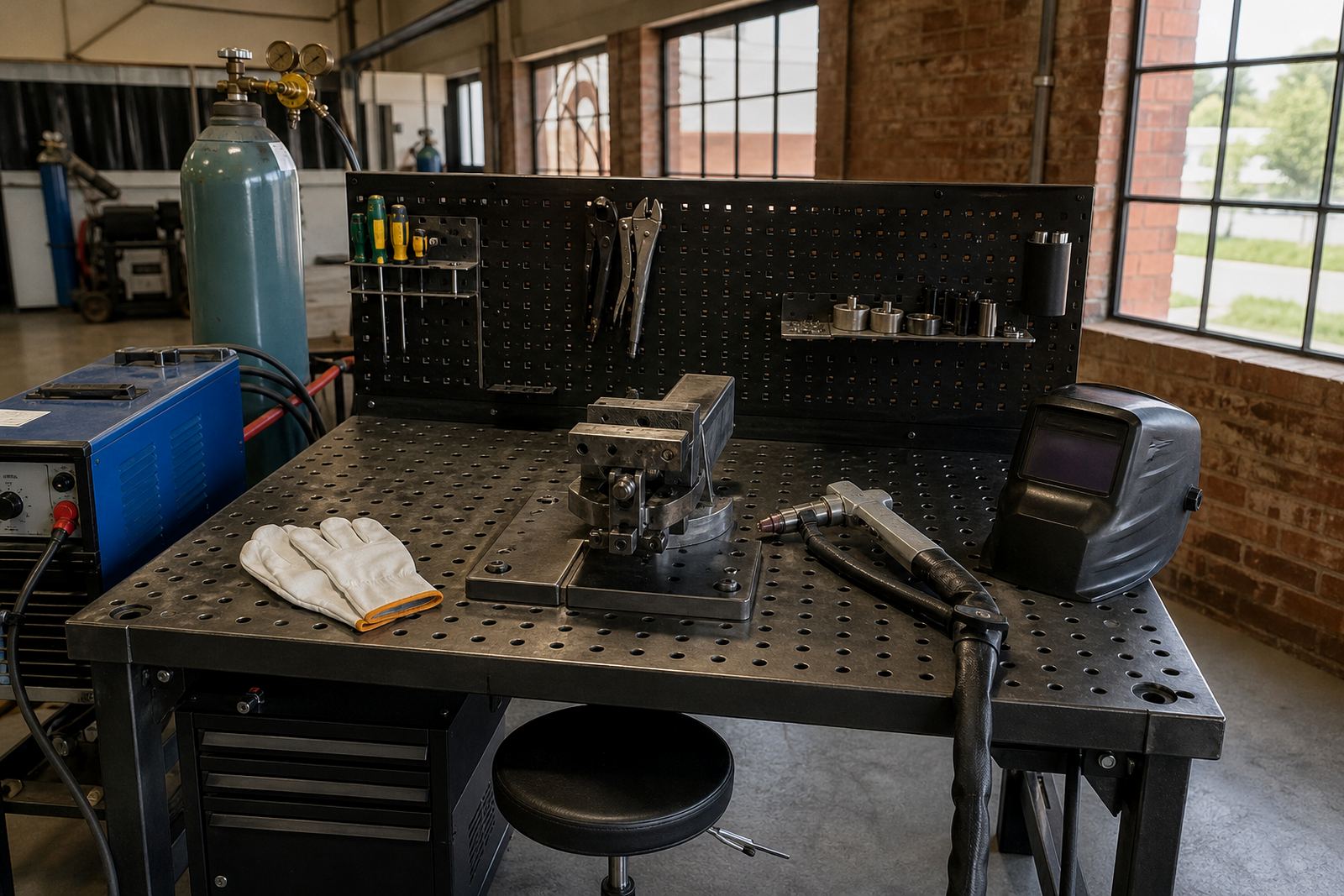
- Confirm the work area has basic ventilation and enough bench space for safe practice.
- Tell us in advance if the learner has any eye, respiratory or mobility concerns that affect training.
Where a workshop already has extraction, screens or local safety rules, we fit the training around those controls. If the space is not ready, we can advise on simple changes before the course starts.
How the Certificate Is Earned in the Course
The certificate is issued once the learner completes the training sessions and shows the required level of practical understanding. We keep the process simple and traceable. Learners work through guided demonstrations, supervised practice and a final review of safe working steps. The goal is not to rush through the course, but to make sure the learner can follow the process correctly and work with care.
For handheld laser welding, that means understanding beam control, workpiece preparation, correct handling of the torch head, the use of eye protection, and when fume extraction must be in place. It also means knowing when to stop, check the joint and ask for help. If a learner needs more practice, we can include refresher support or extra supervision through our training services.
Typical course checkpoints include:
- Safe start-up and shutdown steps
- Basic machine and torch handling
- Joint preparation and positioning
- Appropriate use of laser class controls and warning signs
- Verification that eye protection is worn correctly
- Checking that fume extraction is operating before welding begins
Learner Records We Keep for Each Course
We keep learner records so there is a proper trail of training completed. This helps if a supervisor needs to confirm who attended, what was covered and when the learner was assessed. Records also help when a business asks for a refresher visit later on or wants a second learner to be trained on the same process.
Our course file usually includes attendance details, the course topic, the trainer who handled the session and a note of the practical work covered. The exact contents depend on the course arranged, but the aim stays the same: clear and useful records, not paper for the sake of it. For companies in Durban, Cape Town, Polokwane and surrounding areas, this is especially useful when learners move between sites or shift teams.
We keep these records in line with normal business record keeping practice and only use them for training administration and learner support.
Starter Kits and Why They Support the Certificate
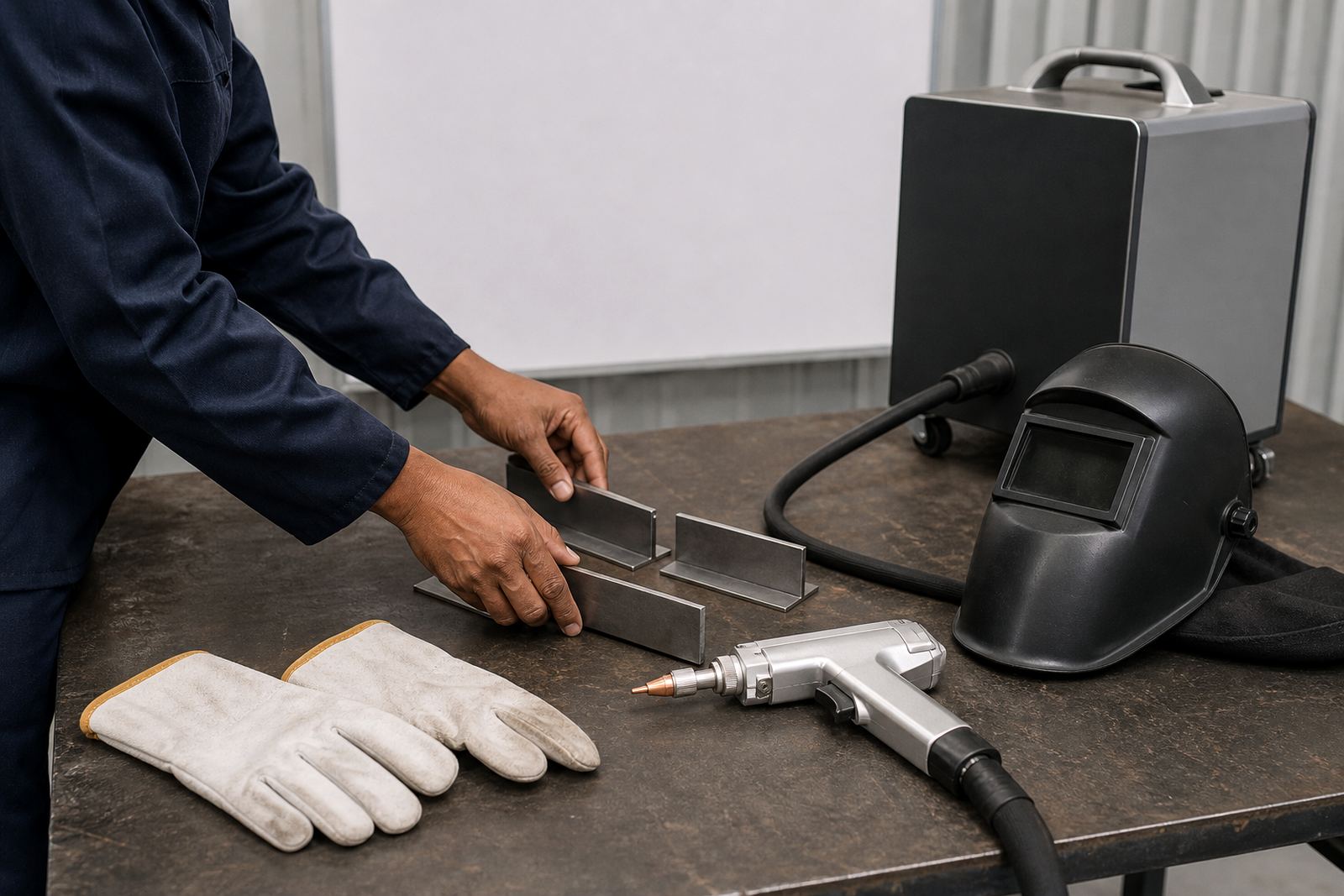
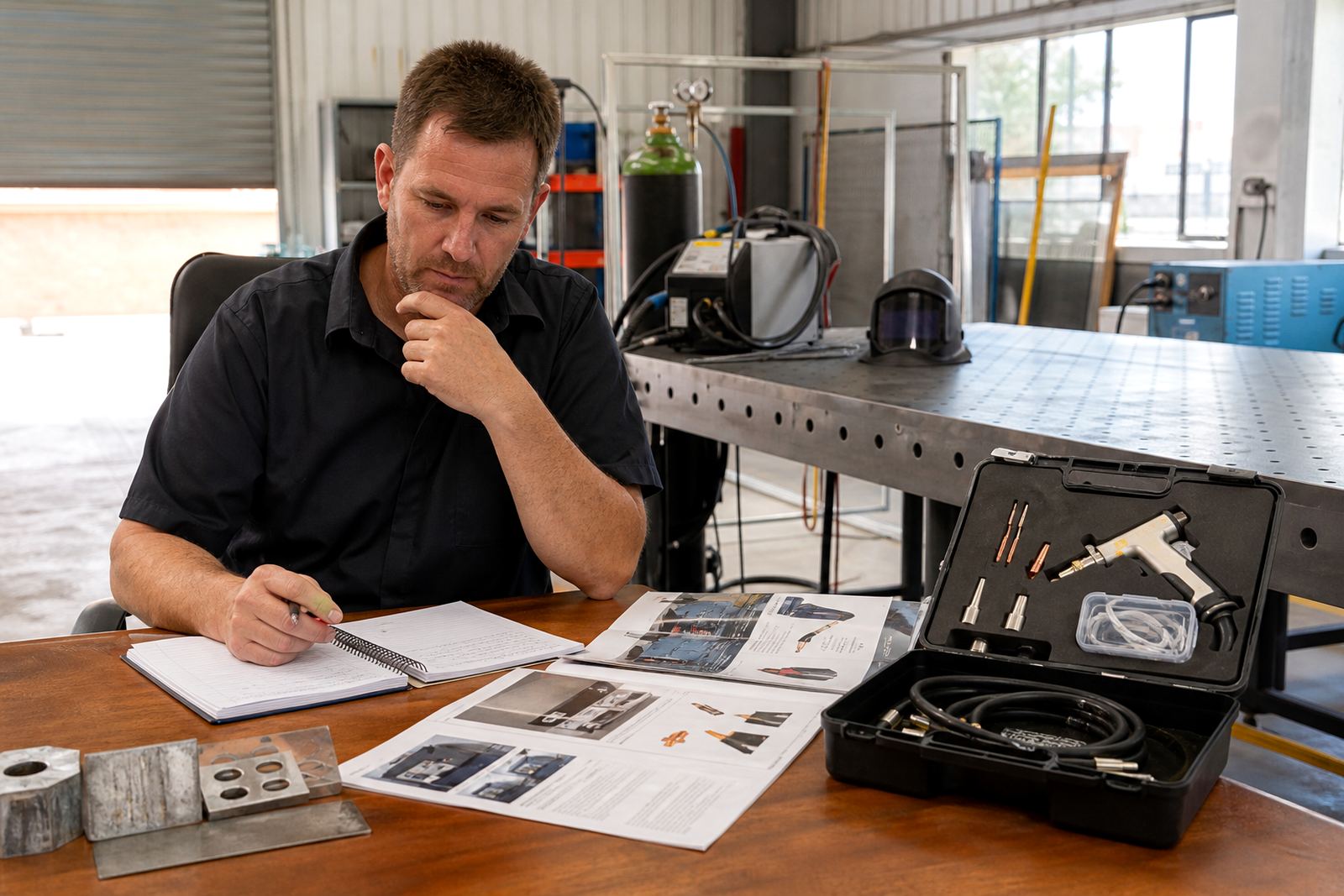
Many learners leave training with a starter kit recommendation or an actual starter kit set up for the workshop. The kit is there to support correct practice after the course, especially when a team is starting out with handheld laser welding or adding it to an existing fabrication bay. A proper kit helps the learner keep the same safety and setup standards used during training.
Depending on the work being done, a starter kit may include protective eyewear suited to the laser class used, basic consumables, cleaning items, simple positioning aids and guidance on keeping the area tidy. It may also include notes on extraction, cable management, storage and day to day checks. In coastal areas, where humidity can affect storage and surfaces, we also advise on keeping equipment dry and covered when not in use.
- Store tools in a clean, dry place after every shift
- Inspect eye protection before use and replace damaged items
- Check fume extraction filters and airflow regularly
- Keep the work area free of clutter and combustible waste
- Log consumables so the workshop does not run short mid job
Using the Certificate After Training
Once the course is complete, the certificate can be kept with a learner file, workshop induction pack or internal skills record. Supervisors often use it to track who has completed the introduction and who may need a refresher visit later. It can also help when a business is planning workflow advice, operator inductions or supervisor coaching around a laser welding station.
If a learner returns for refresher support, we can use the existing record as a starting point. That makes follow-up training more focused and saves time in the workshop. For businesses with multiple staff members, keeping certificates together with the training document pack and site readiness notes makes it easier to manage compliance on the floor, especially when shifts change or a new area is opened.
Our Boksburg base supports learners and workshops across South Africa, including Johannesburg, Pretoria, Durban, Cape Town and Polokwane. If you need a certificate check, learner record review or follow-up training, send your query through the enquiry form on our contact page.