

New Learners Starting With Handheld Laser Welding
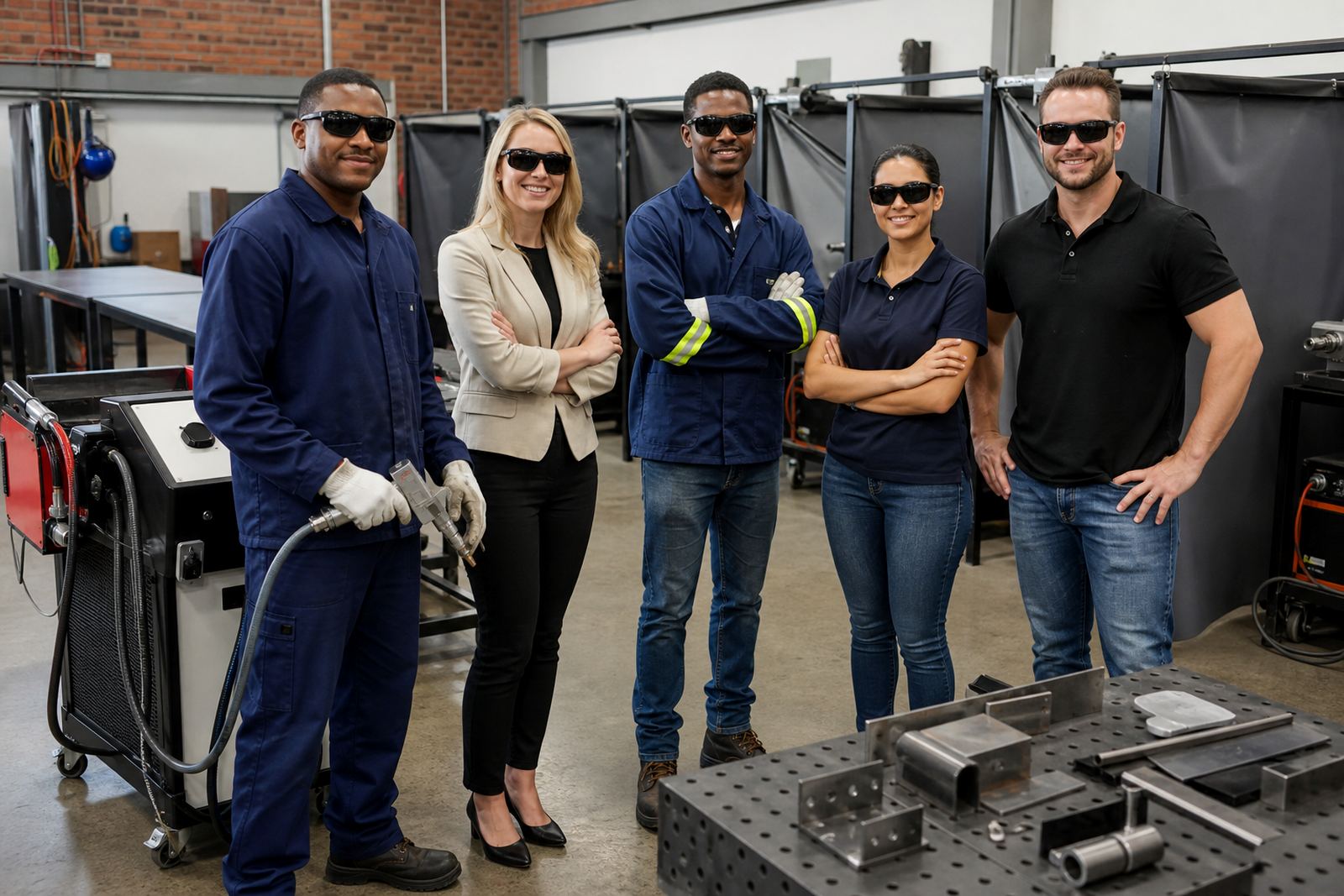
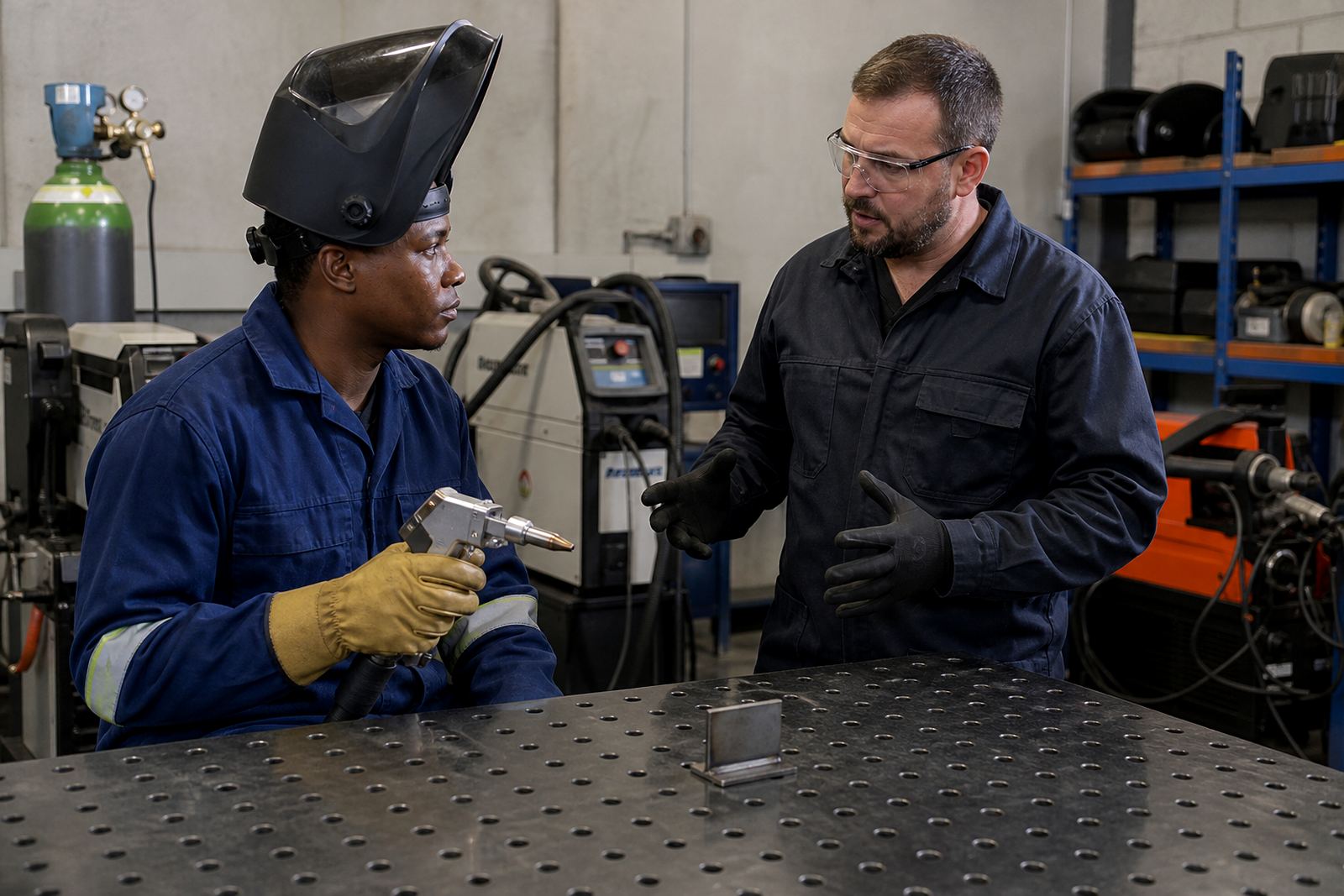
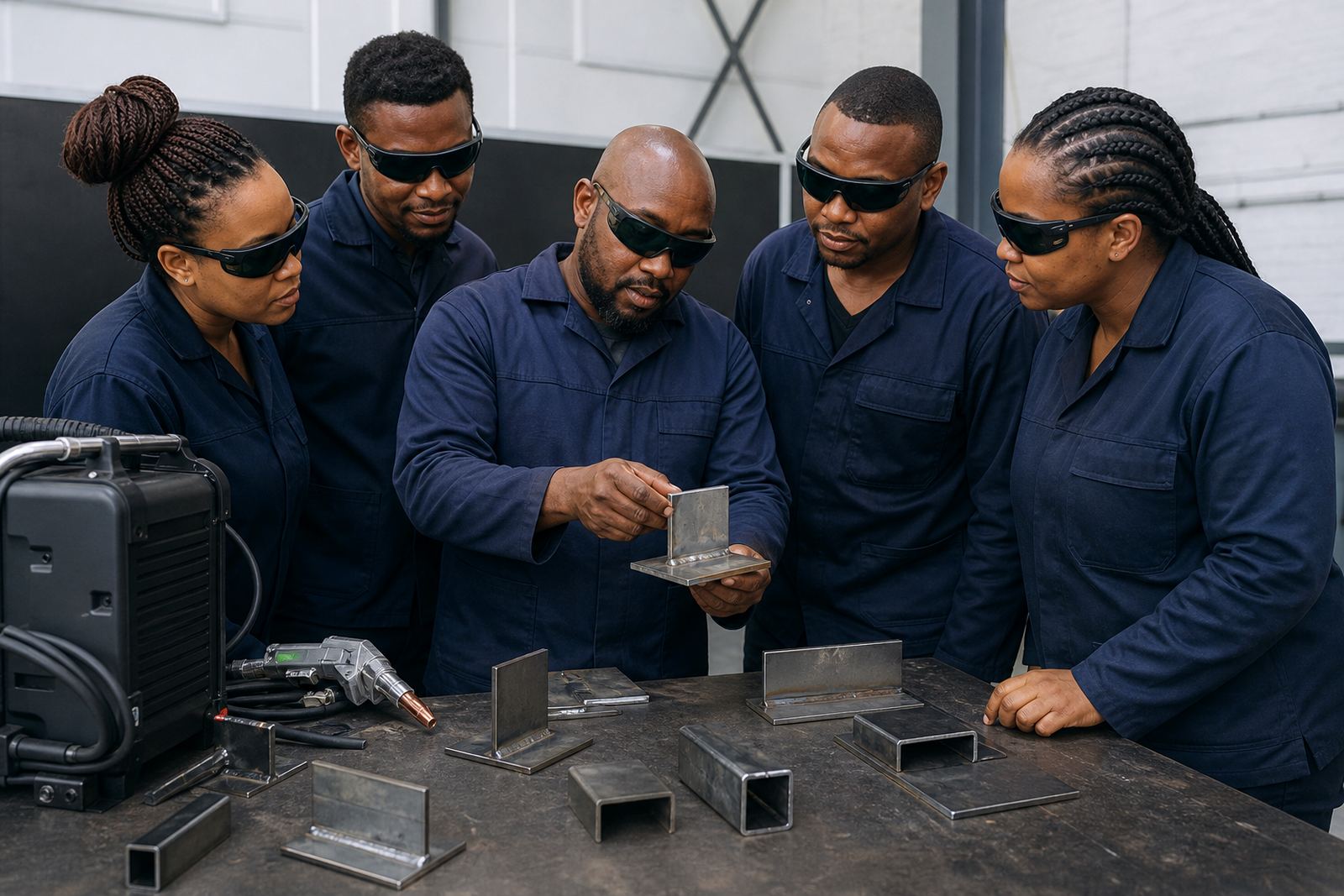
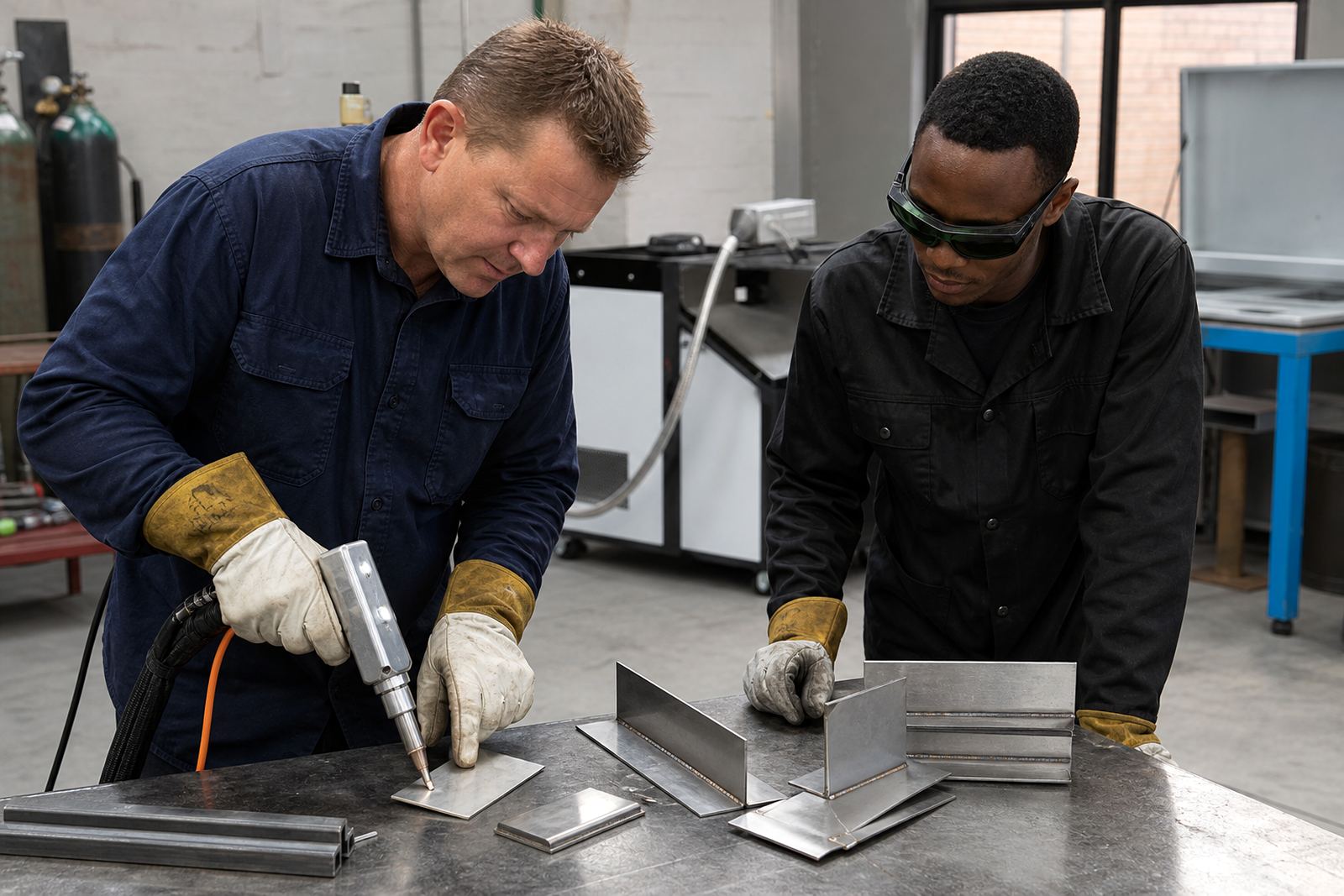
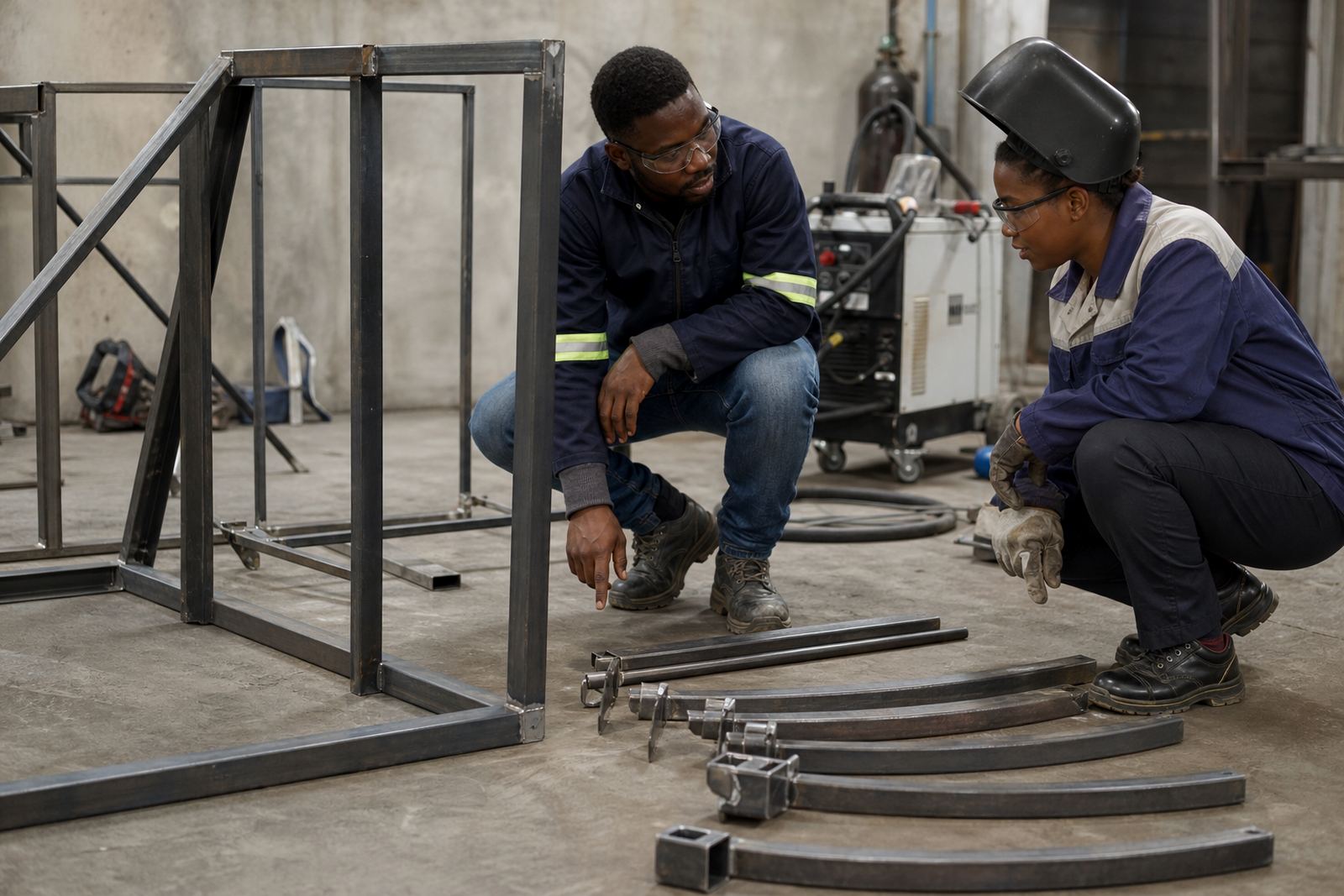
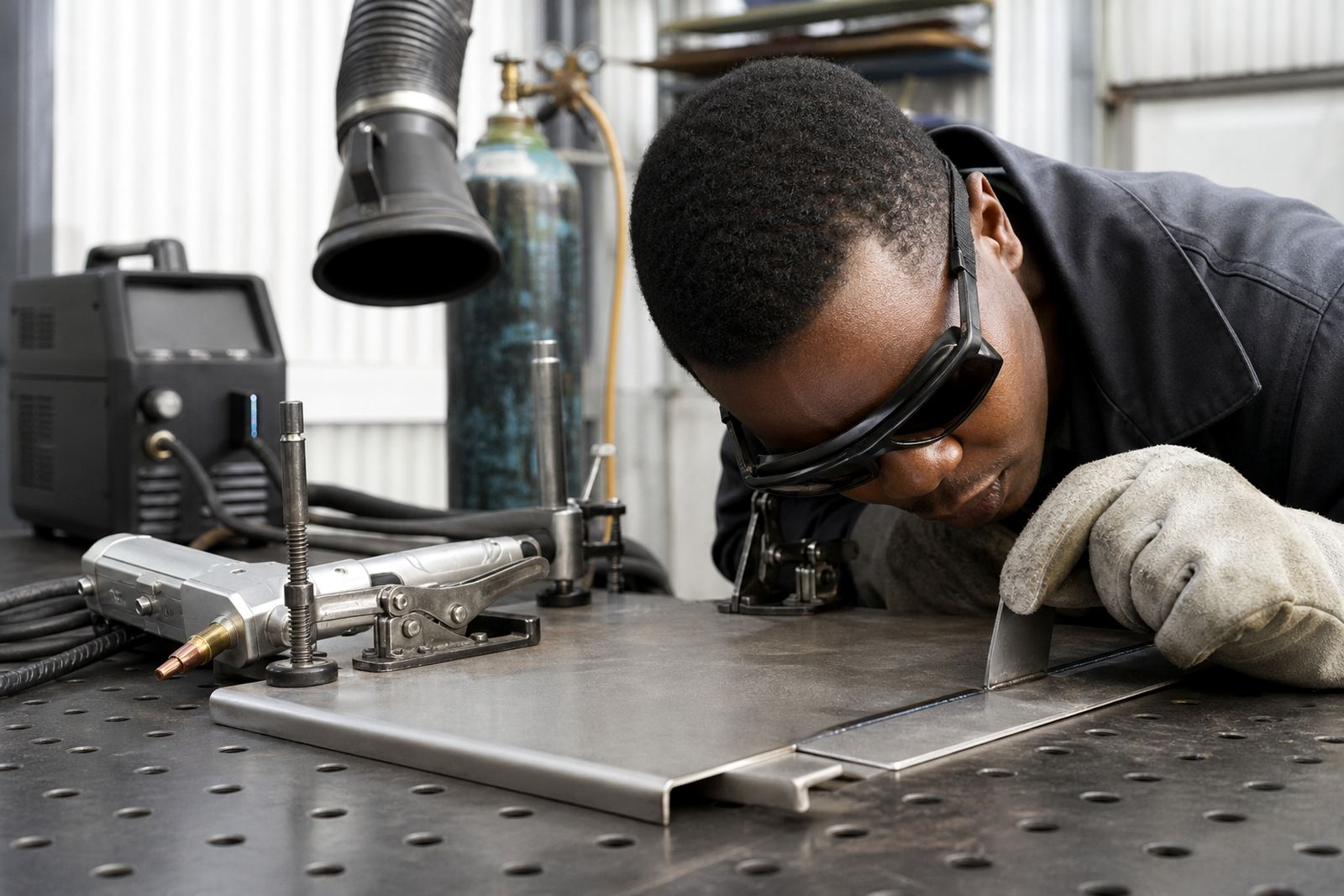
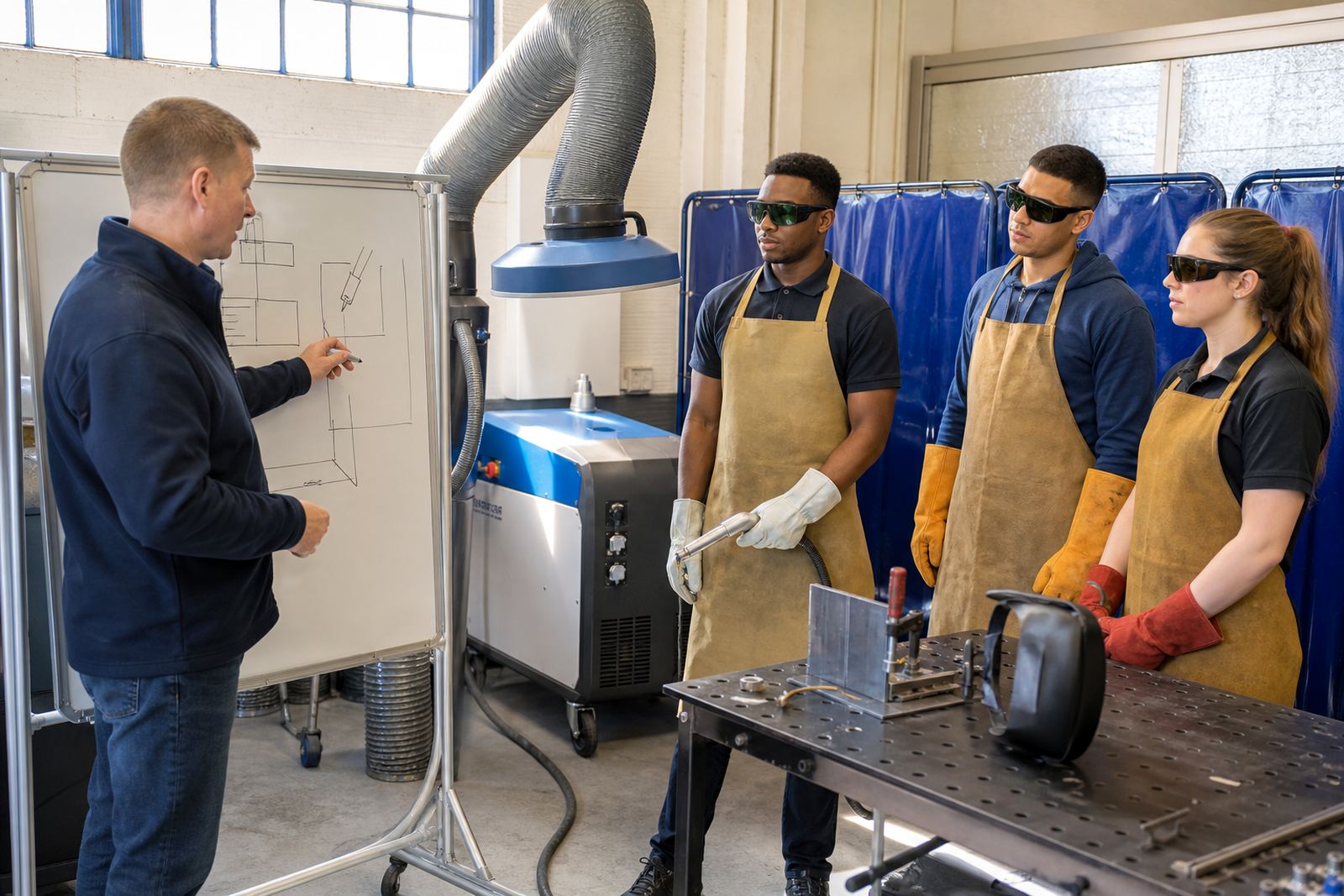
If you are new to laser welding, the right starting point is a course that builds confidence step by step. Handheld laser welding can look simple from the outside, but the machine setup, joint prep, torch handling and safety checks all matter. We help beginners learn how the process works, what the laser class means, and how to work with proper eye protection and fume extraction from day one.
These pages are for people who want a practical entry into the trade without guessing their way through the first jobs. A good learner is usually looking for clear instruction, safe habits and enough hands-on practice to repeat the process after training.
Workshop Teams Upgrading Their Repair Work
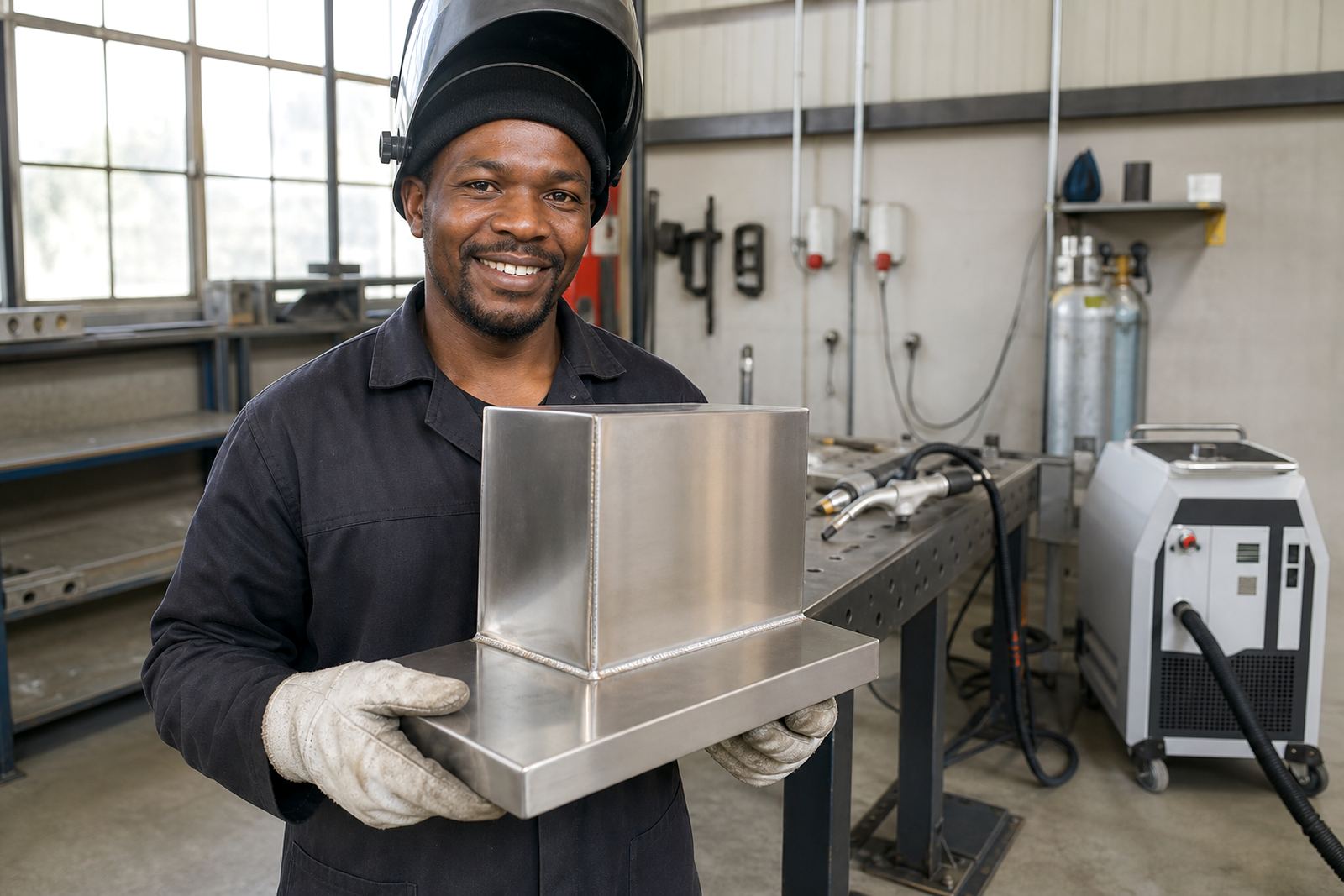
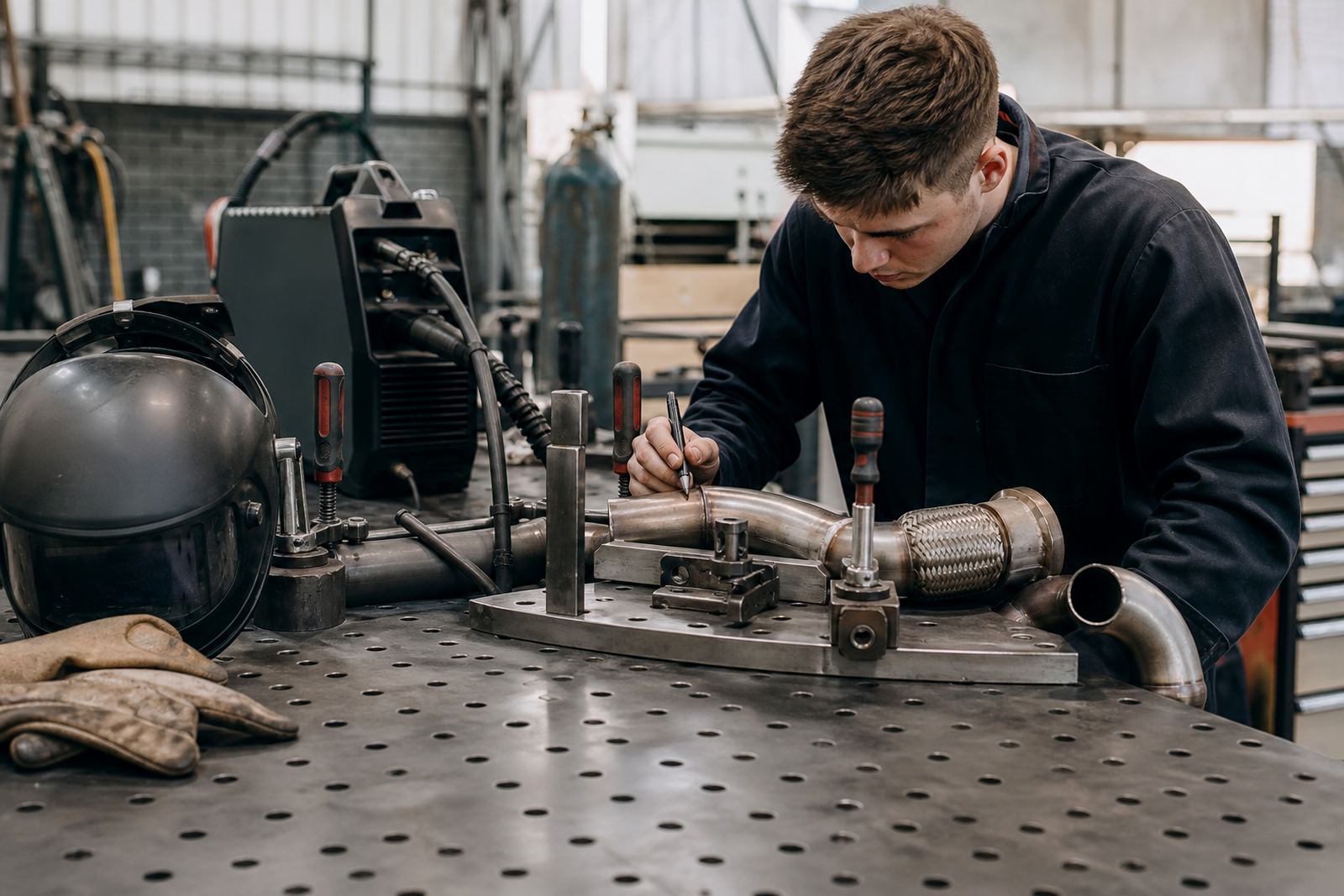
Many workshops need a better way to handle thin sheet repairs, cracks, brackets, frames and precision touch work. Handheld laser welding can reduce rework when the operator understands travel speed, focus and heat control. It is also useful where neat finish matters and there is limited room for grinding afterward.
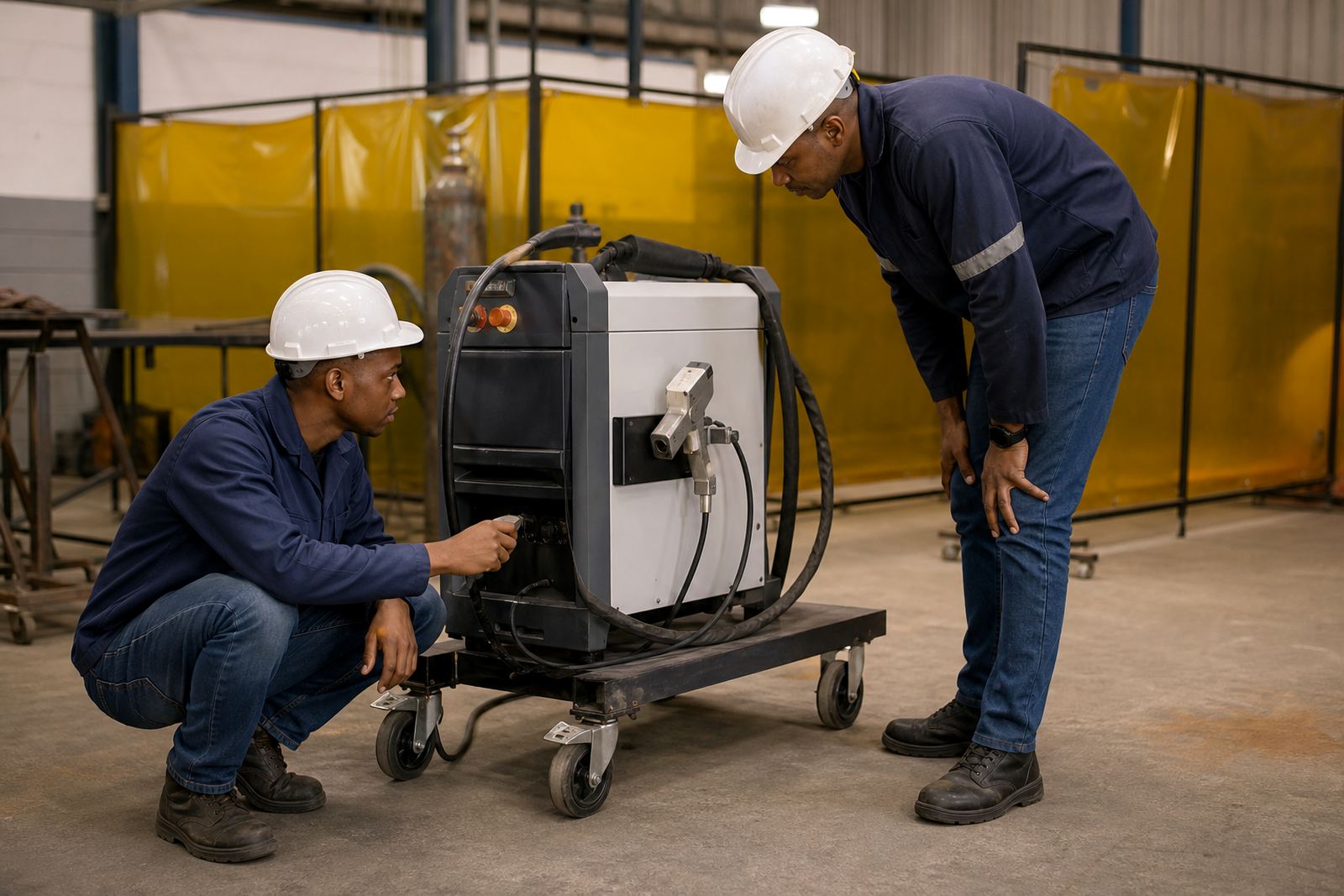
We support teams that want to add laser welding to an existing workshop routine, especially where the crew already handles fabrication, repair or maintenance. That includes small businesses and busier sites that need a practical method for training staff on the same machine and workflow.
- Site Readiness Checks for the work area and power supply
- Operator Inductions for new staff
- Safety Briefings covering laser class, glasses and screens
- Workflow Advice for setup, parts movement and job sequencing
Business Owners Comparing Training Paths
Business owners often need more than a single training day. Some need a full introduction for a new team, while others only want refresher training after a machine install or staff change. The right choice depends on the work you do, the metal thickness, the daily volume and how much supervision your operators need.
If you run a fabrication shop, repair workshop or a production floor, look for training that suits your real output. The aim is to keep work moving while lowering mistakes, wasted consumables and unsafe habits. In many sites, one trained supervisor can make a big difference to the whole team, if the setup is right.
- Supervisor Coaching for hands-on oversight
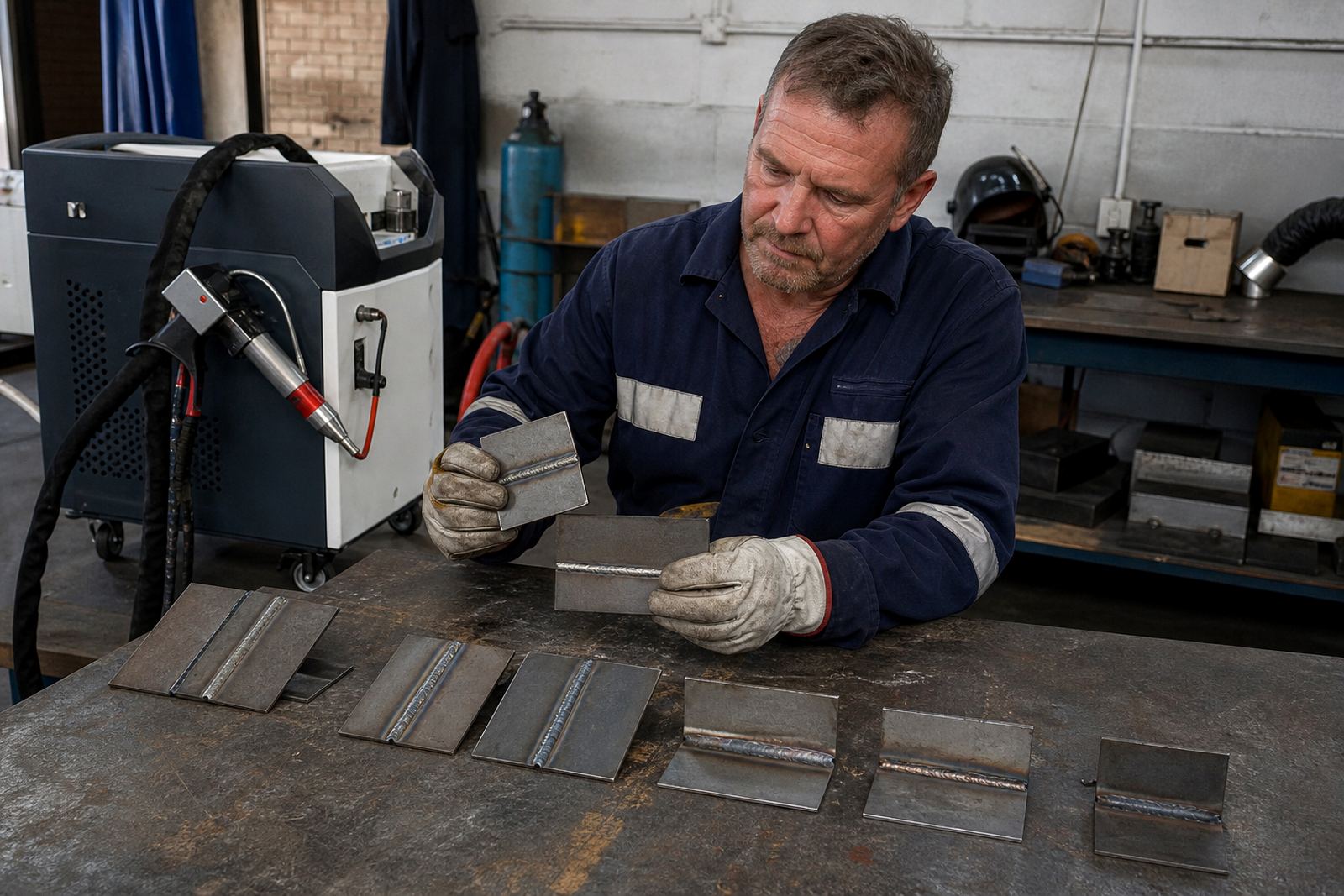
- Quality Walkthroughs for finish checks and consistency
- Consumables Planning so the shop does not run short
- Refresher Visits when staff need a reset on technique
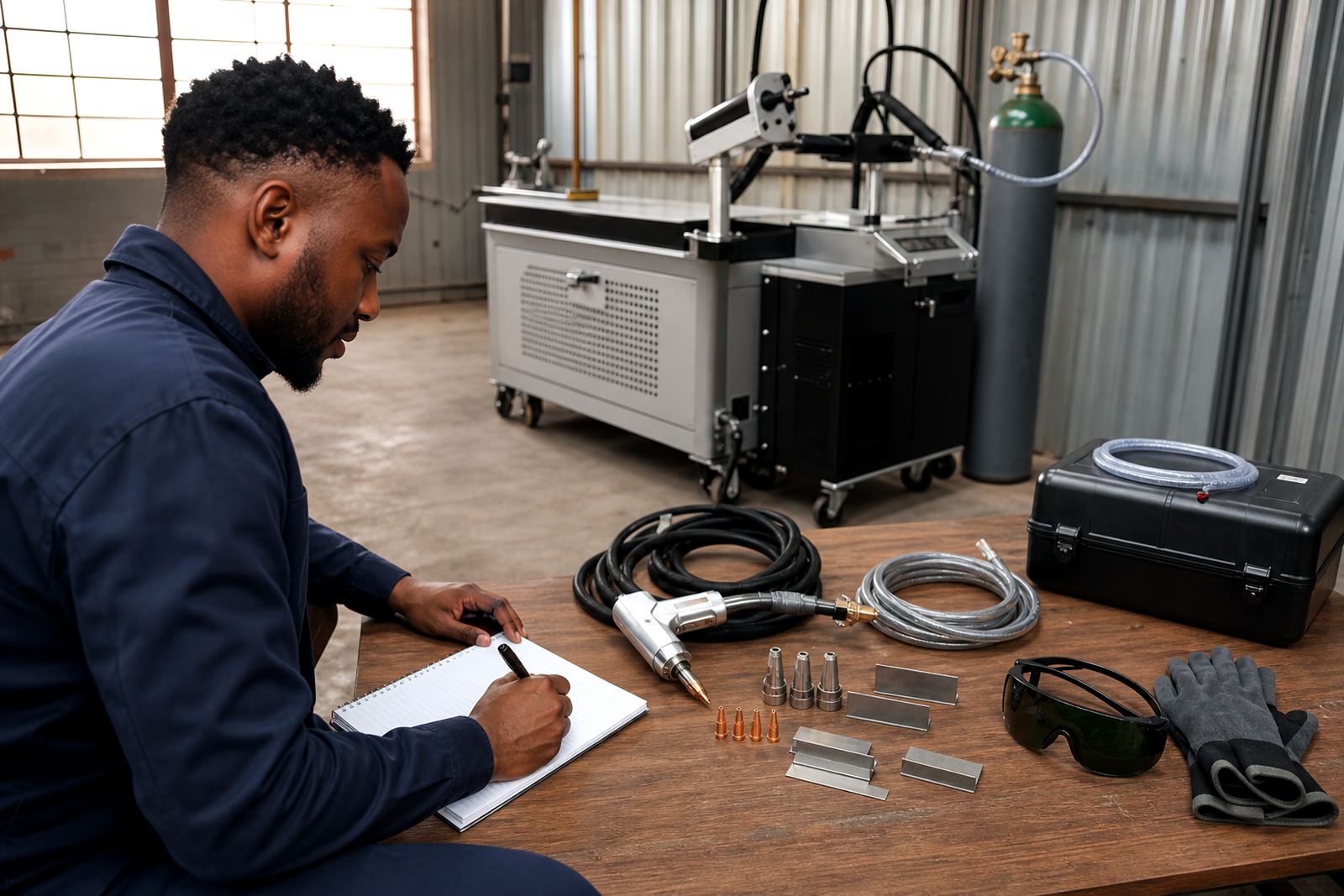
Learners Who Need A Starter Kit With Training
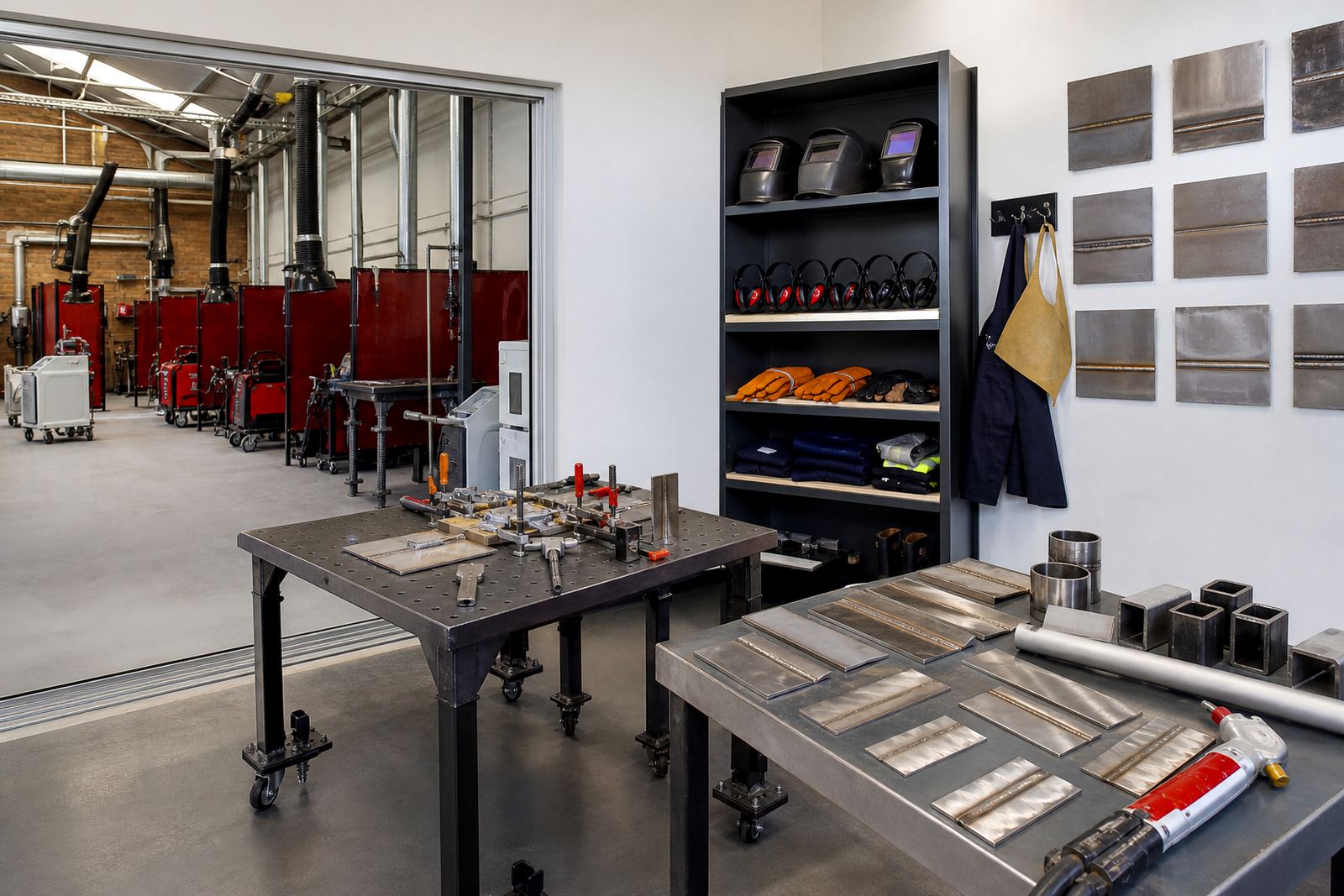
Some learners need equipment as well as training. Starter kits are useful where a workshop wants to begin with the correct basics instead of building a setup piece by piece. A sensible kit usually includes the practical items needed for day-to-day learning, setup and routine handling, plus guidance on how to use them safely.
Starter kits should match the work you plan to do, not just the machine on its own. That means thinking about cable length, torch handling, nozzle care, storage, cleaning, and the space needed around the workbench. In coastal areas, for example, moisture control matters more than most people expect and tools need proper care.
Where Our Training Fits Across South Africa
Our learners come from Boksburg, Johannesburg, Pretoria, Durban, Cape Town and Polokwane, with support for East Rand and wider Gauteng too. The same training can suit different sites, but each location has its own conditions. A workshop in a humid coastal area may need different storage habits from a dry inland unit, and load-shedding can affect how you plan practice time and equipment checks.
If you are comparing options, choose the page that matches your role and your site. Some people need training only. Others need training plus a starter kit, a document pack or a return visit once the team is settled in. That is how you avoid buying the wrong thing twice.
What To Expect From A Course And Certificate
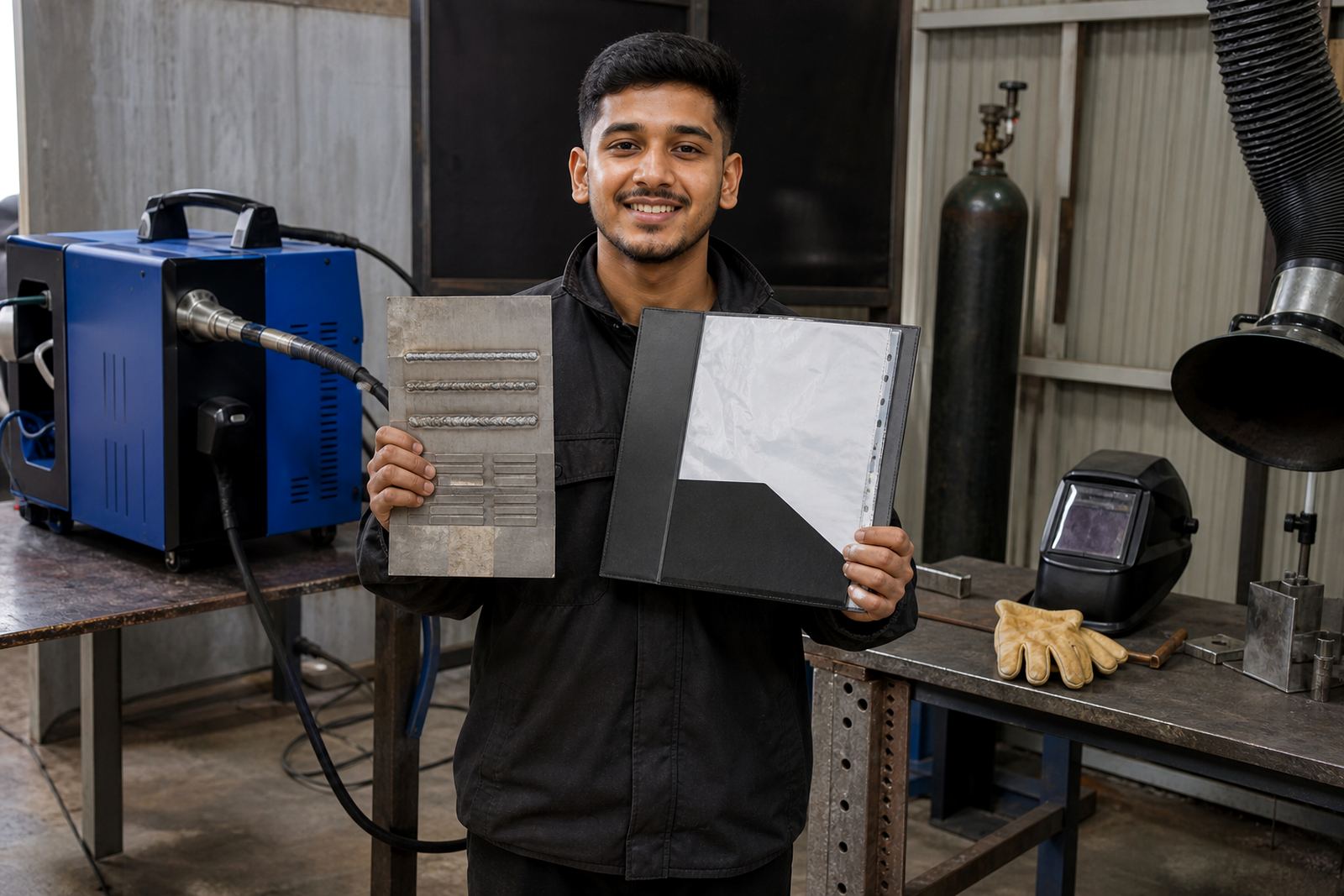
Courses are hands-on and led for practical use, not just theory. Learners are shown how to prepare the workspace, check safety controls, set up the unit, handle the torch, and complete basic welds under supervision. At the end, successful learners receive a certificate of completion from LaserWelder Training only.
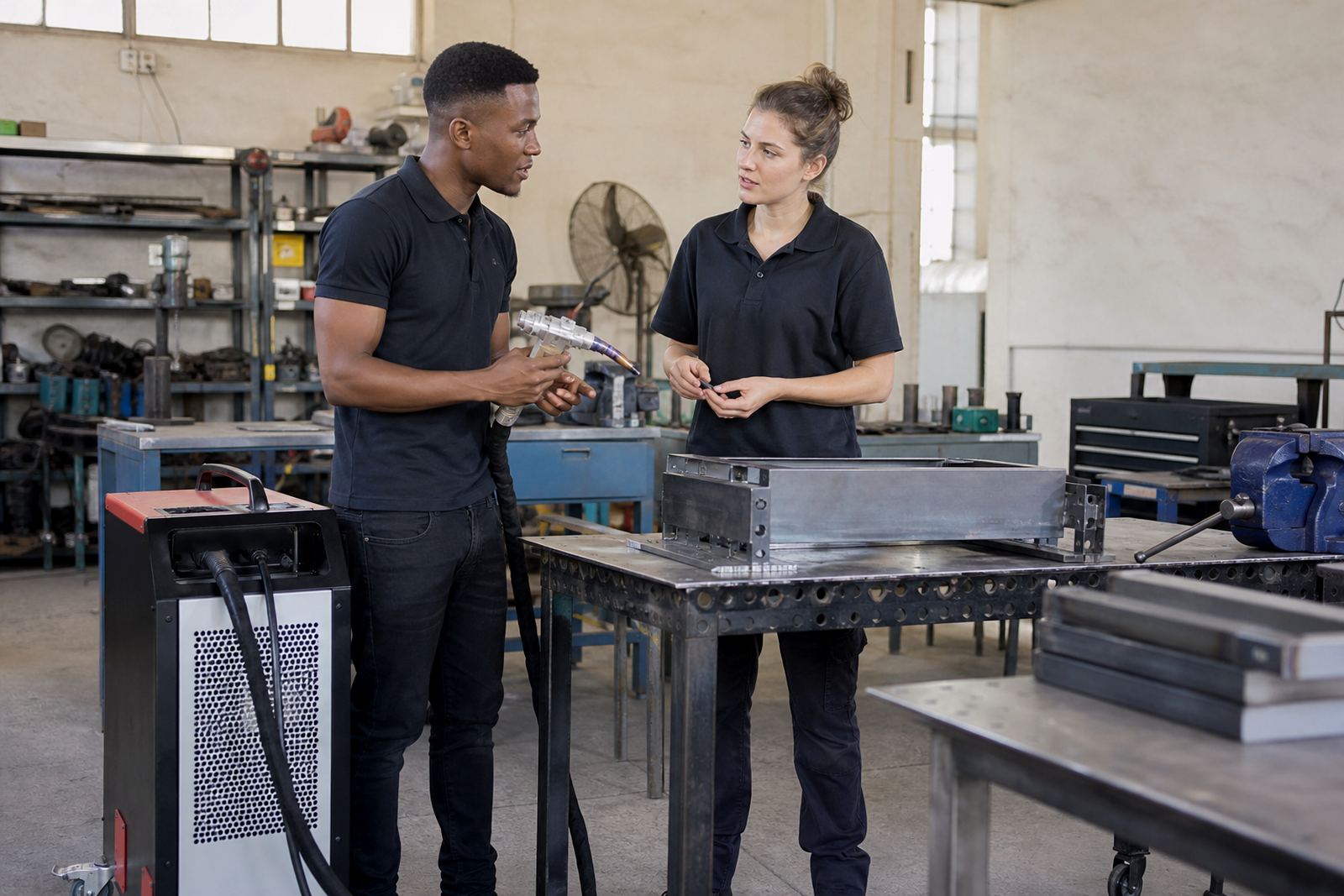
Our team includes people who deal with training, safety, support and workshop setup, so learners can ask real questions before they start work on their own. If you are ready to compare your options, use the enquiry form on our contact page and tell us what kind of site, staff and output you have in mind.