What the Fillet Joints Module Covers
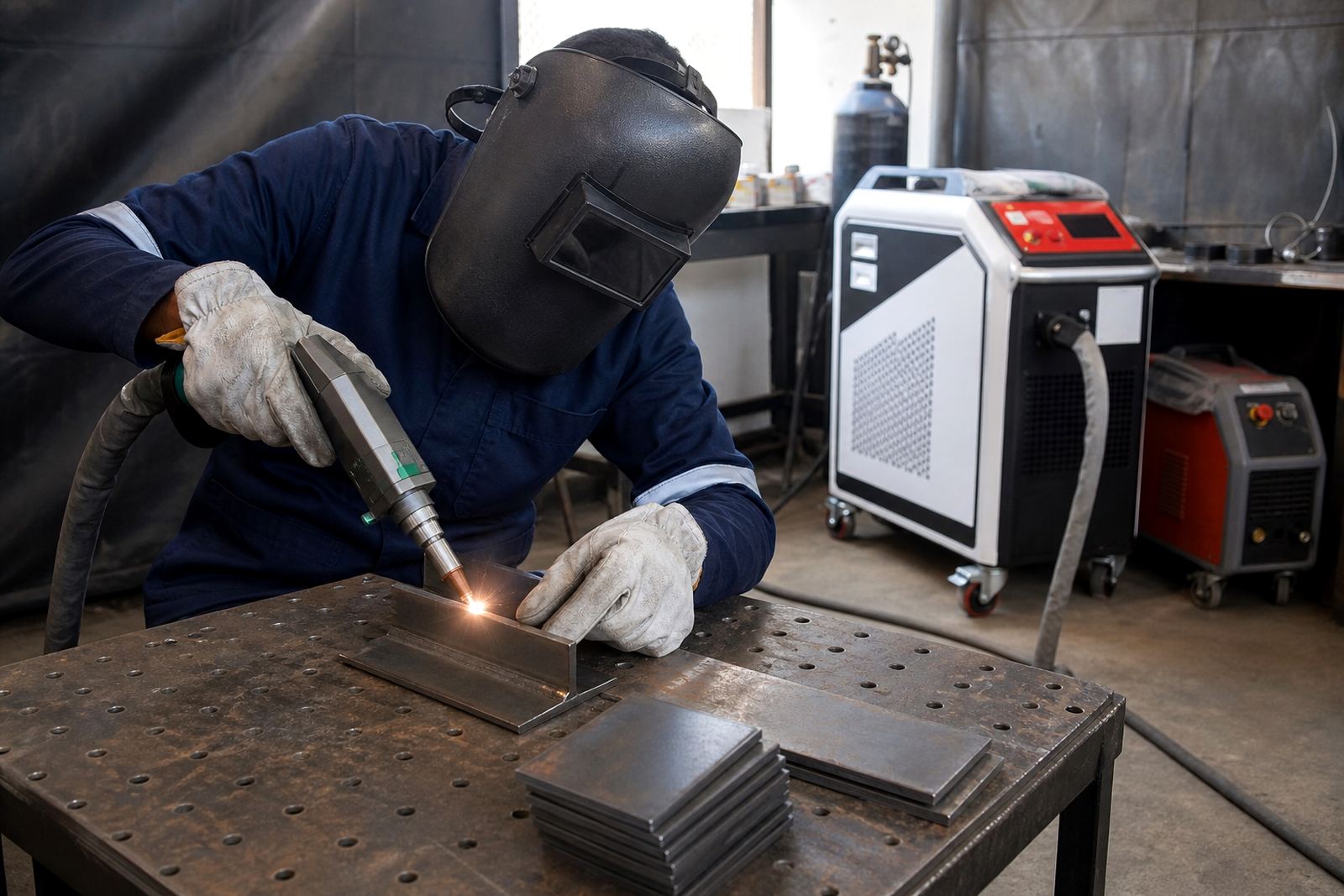
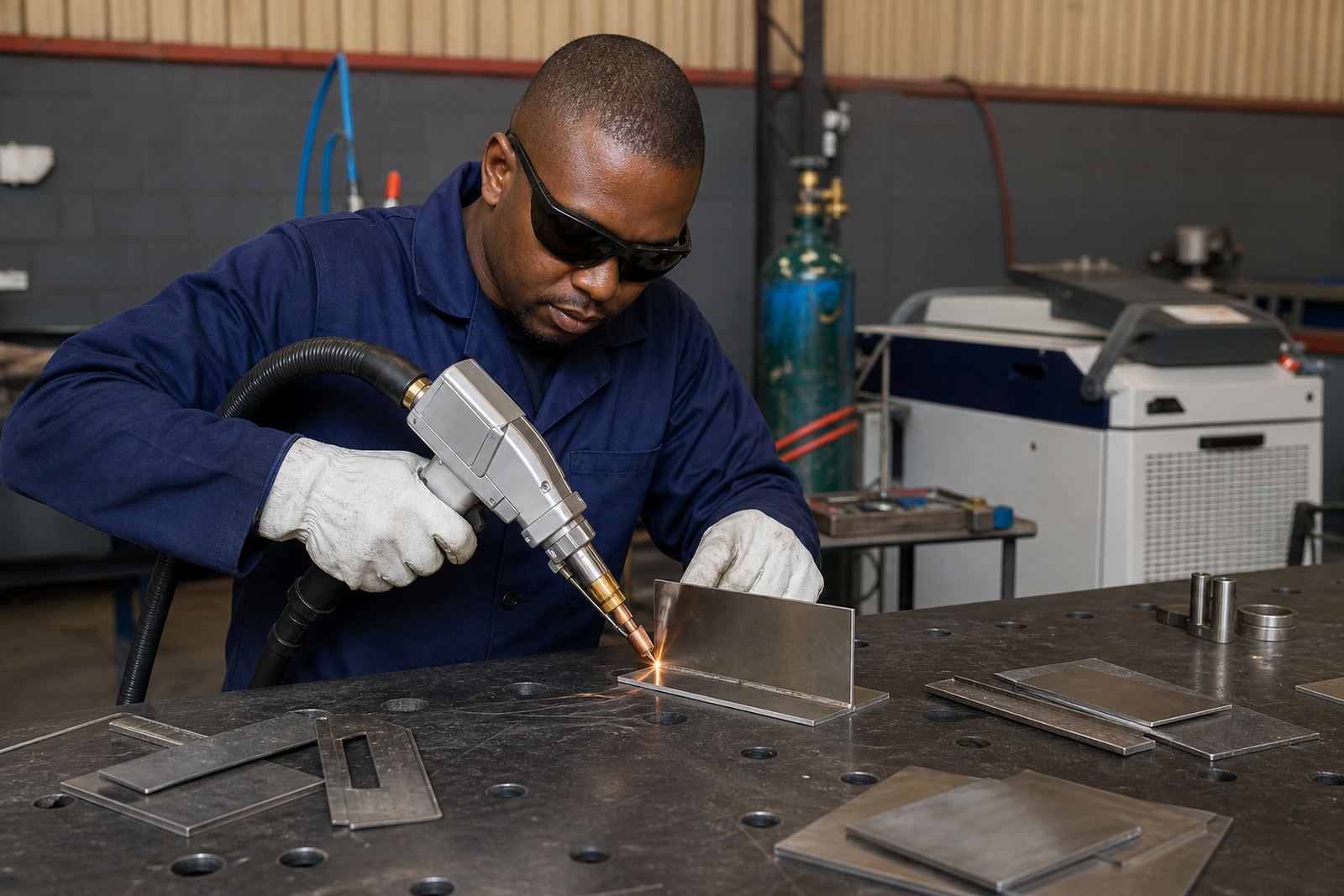
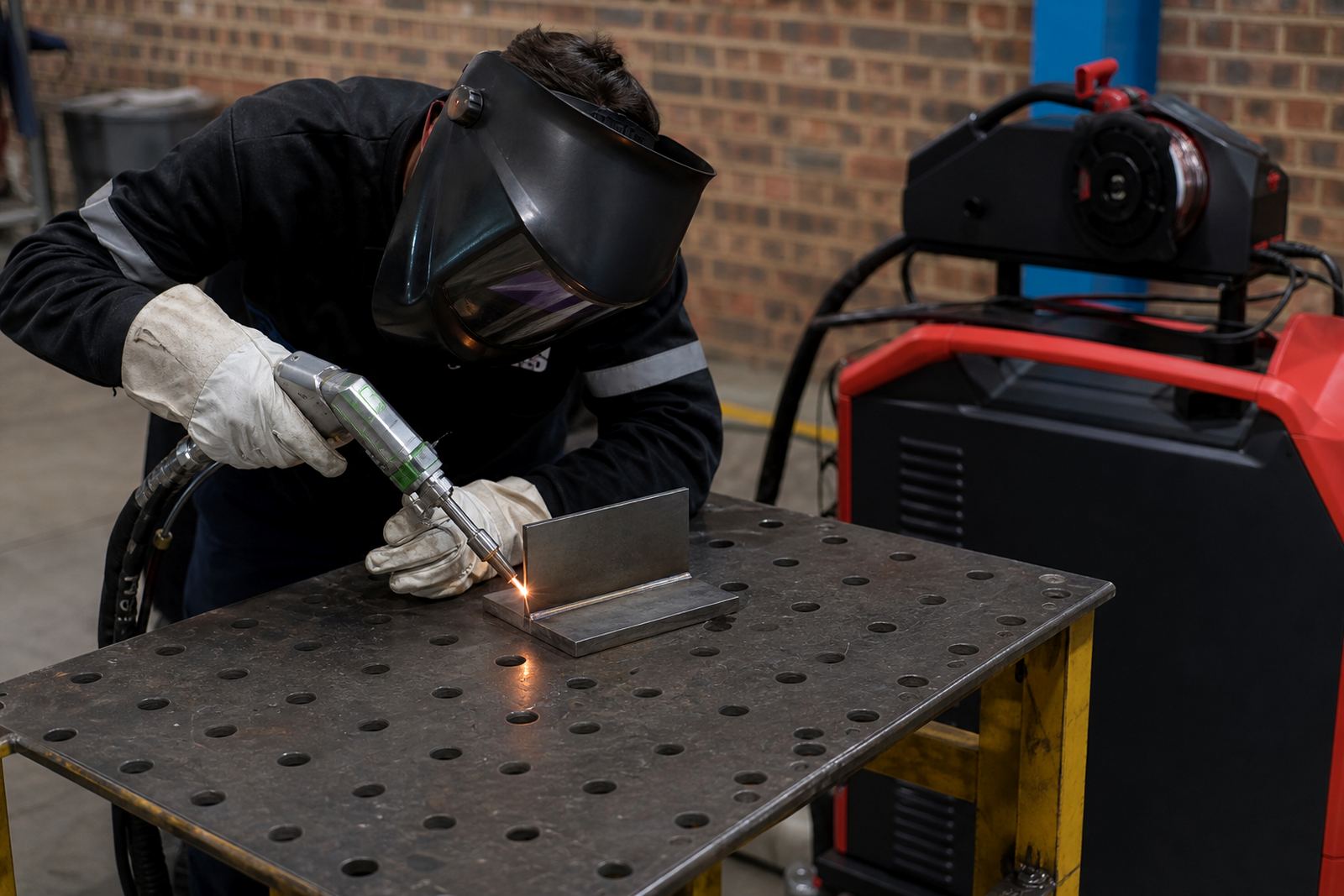
This module is a practical training unit for handheld laser welding on T-joints, lap joints and corner joints where a neat fillet is needed. The aim is simple: improve joint alignment, keep the bead consistent and reduce rework caused by uneven travel speed or poor fit-up.
Learners work through joint prep, clamping, gap control and hand movement so the weld pool stays predictable. We keep the focus on real workshop use, whether you are running small fabrication jobs in Boksburg or supporting a team that needs repeatable results across different shifts. There is no guesswork, just clear steps that can be repeated on site.
Sizes, Joint Types and Practice Options
The module can be matched to common sheet and plate sizes used in light fabrication and repair work. Typical practice pieces range from 1.0 mm to 6.0 mm thickness, with joint lengths chosen to suit short learning runs or longer control exercises. That makes it useful for beginners and for experienced welders refining technique on finer material.
- Fillet practice on mild steel and stainless steel
- T-joint, lap joint and inside corner practice
- Short stitch runs for control training
- Longer continuous runs for bead consistency
- Optional left-hand or right-hand work depending on operator habit
For workshops doing mixed work, the module can be set up to suit flat, horizontal or vertical-up practice. It is best used on clean material with stable clamping and good access to the joint line. A tidy setup makes a noticeable difference to bead shape and edge wetting.
Where the Module Suits Best
This product suits training rooms, small fabrication shops, maintenance teams and workshops that want to build confidence in handheld laser welding. It works well for learners who already understand basic workshop safety and now need more control with angle, speed and position.
It is also a good fit where a business wants to standardise basic fillet technique across staff. That matters in busy Gauteng workshops and in coastal areas too, where humidity can affect storage and surface condition if material is left open too long. Good training helps keep the process steady, even when the job list changes during the week.
- Beginner training groups
- Refresher sessions for operators
- Supervisor coaching and quality checks
- Job-specific practice before live work
Installation, Power and Fume Extraction Needs
Because this is a handheld laser welding module, the setup must be neat, stable and well lit. The work area should allow safe movement around the joint, with enough space for clamping, sample placement and operator posture. Keep the floor clear and make sure cables are routed so nobody trips during practice.
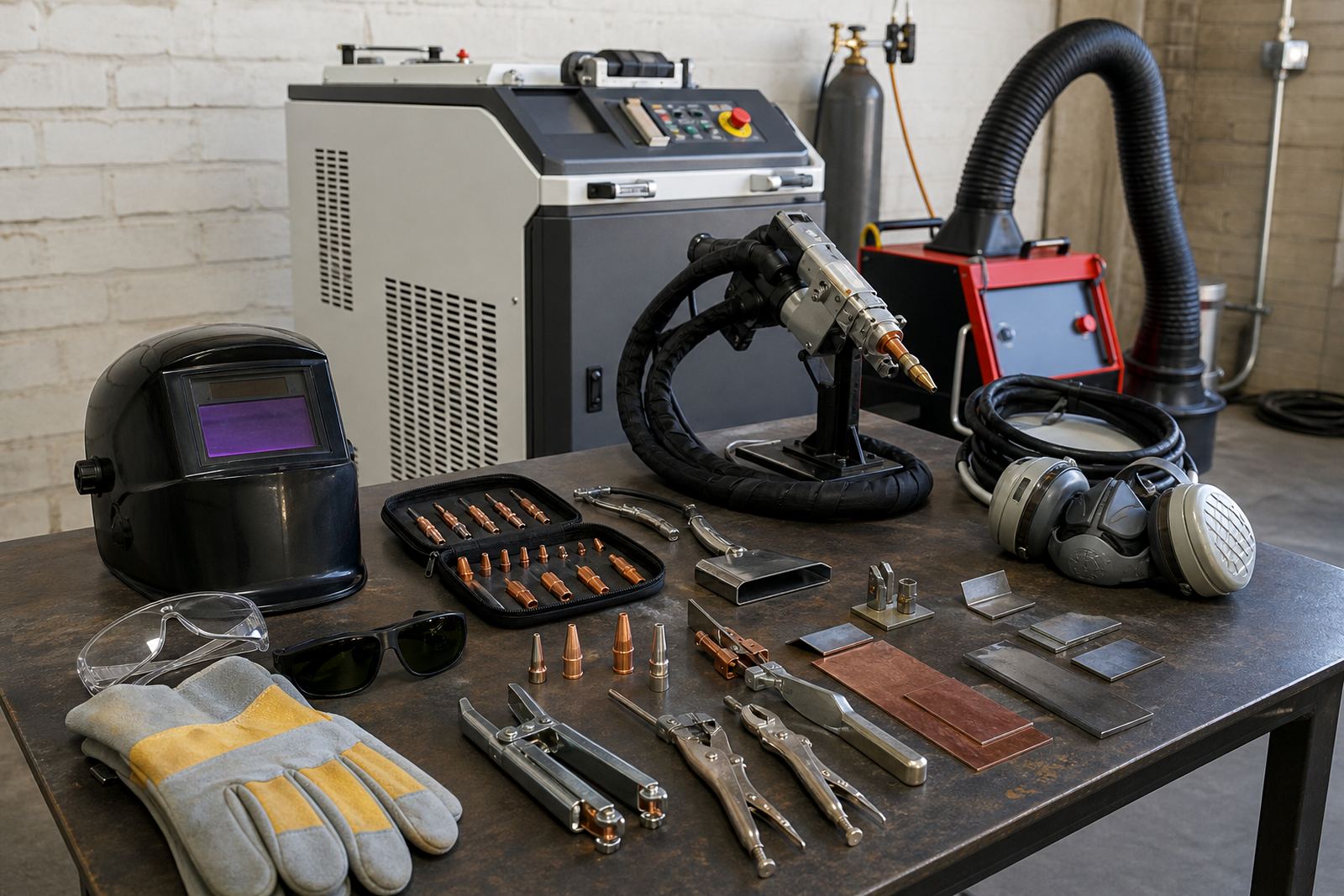
Power needs depend on the unit used in your workshop, but learners should expect a dedicated electrical supply and a clean, dry operating area. Fume extraction is essential, especially when working on coated material or in enclosed rooms. Use proper eye protection rated for laser work, and follow the laser class guidance supplied with the equipment. Even a short session can create glare, fumes and heat, so safety briefings are not optional.
- Dedicated power supply for the welding unit
- Laser-rated eye protection for all operators and observers
- Local fume extraction or extraction arms positioned close to the work
- Screening or controlled access around the training bay
- Dry storage and clean benches for consumables and samples
Care, Cleaning and Servicing Between Sessions
Fillet weld training is easier when the kit is kept clean and checked after each session. Remove spatter, wipe down contact surfaces and store sample pieces so rust does not build up. On stainless steel, keep the material free from grease and dust before each run because contamination can affect bead appearance and edge fusion.
Check the hand tool, cable condition, lenses and protection covers according to the maker’s instructions. If the beam path or optics are dirty, the result will usually show it on the weld. In warm or humid areas near the coast, store consumables in sealed containers where possible. Small habits save time later and help learners see the difference between poor prep and proper prep.
What to Check When Ordering
Before ordering this module, confirm the material thickness, the main joint type and the level of operator experience in your team. If the purpose is beginner training, ask for a simpler practice set with more room for repeated runs. If the aim is production support, ask for joint samples that match your actual workpieces as closely as possible.
It also helps to confirm whether you need a full starter kit or only the training module. Starter kits usually support basic setup, cleaning and practice work, while the module itself focuses on fillet joint technique and quality control. When you send an enquiry through our contact page, include the town, material type and your current workshop setup so we can advise properly.
- Material type and thickness range
- Preferred joint style and run length
- Operator skill level
- Workshop power and ventilation setup
- Need for starter kit setup or refresher support
- Location for delivery or on-site training in South Africa
Key facts
| Product type | Handheld laser welding training module for fillet joints |
|---|---|
| Joint focus | T-joint, lap joint and inside corner fillet practice |
| Material range | Typically 1.0 mm to 6.0 mm practice pieces |
| Suitable materials | Mild steel and stainless steel |
| Safety needs | Laser-rated eye protection, fume extraction and controlled access |
| Supply format | Module only or paired with starter kit and training support |