Why Laser Class Awareness Matters Before Training Starts
When a learner picks up a handheld laser welding torch, the power source is only part of the picture. The beam, reflected light, process fumes and nearby materials all need to be considered together, especially in busy workshops where grinding, cutting and welding may happen in the same bay.
Understanding the laser class helps supervisors decide who may operate the equipment, what barriers are needed, and how the area should be controlled. In practice, this means fewer mistakes, better housekeeping and a clearer plan for every shift. It also makes inductions easier because people know what the risk is before they touch the machine.
In South African workshops, that matters even more where load-shedding, generator use and shared work areas can disrupt normal routines. A brief power interruption can leave a machine in an unsafe state if operators are not trained to check the setup again before resuming work.
What Laser Classes Mean in a Handheld Welding Setup
Laser classes describe the level of hazard from the light source and the exposure risk to eyes and skin. For handheld laser welding, the practical focus is usually on high-risk equipment that can injure by direct beam exposure or by reflections off shiny metal surfaces. Even a small misalignment can create a dangerous path for the beam.
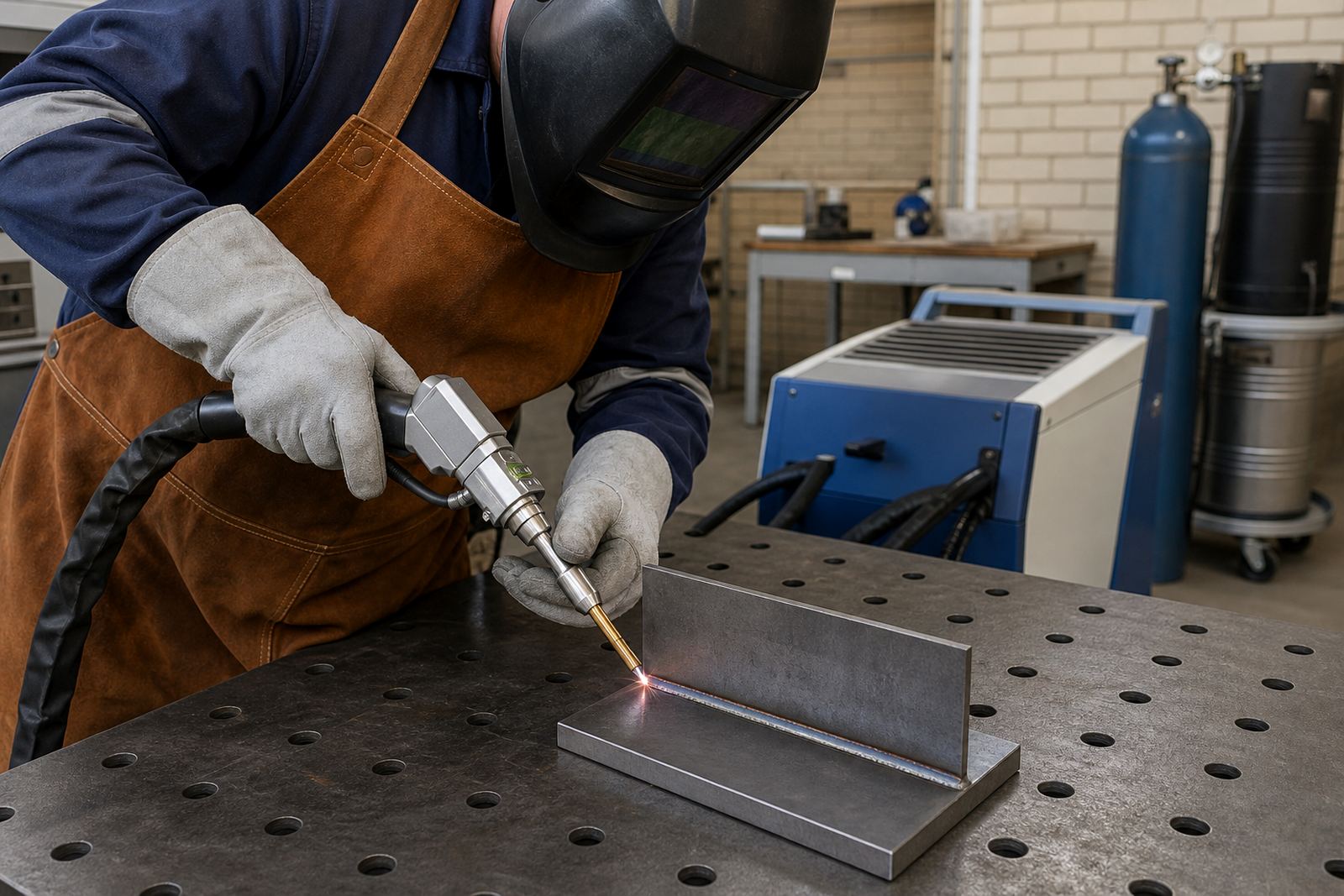
Operators should never assume that because the torch is handheld it is automatically low risk. The workpiece, clamps, tables and nearby tools can reflect light in unexpected ways, especially when working on stainless steel, polished aluminium or clean sheet metal. That is why training should cover beam direction, enclosure habits and clear control of the work zone.
- Confirm the laser class rating before use and keep the machine records close at hand.
- Keep the work area controlled so only trained people are within the operating zone.
- Avoid reflective jewellery, watches and loose shiny items near the beam path.
- Check that warning labels are visible and not hidden by dust, stickers or tape.
Eye Protection Is Not Optional
Correct eye protection is one of the first controls learners must understand. Standard safety glasses are not enough for every laser setup, and the eyewear must be matched to the wavelength and class of the machine in use. If the wrong lenses are worn, a person may feel protected when they are actually exposed.
Good training should explain how to inspect eyewear for cracks, scratches and poor fit. It should also show learners how to store eye protection so it stays clean and ready for the next shift. In a shared workshop, it helps to keep a small station near the entrance with labelled eyewear, cleaning cloths and a simple check sheet.
At our Boksburg base, we often find that new operators are careful with the torch but casual about eye protection. That changes quickly once they see how much light can scatter off a clamped panel or a tack weld. A short briefing before work starts saves trouble later.
- Use eyewear suitable for the specific laser system and application.
- Replace damaged or badly scratched lenses immediately.
- Make sure staff know when face protection is needed as well as eyewear.
Fume Extraction and Air Quality in Small Workshops
Laser welding can produce fumes and fine particles from the base metal, filler material and any surface contamination. That includes rust, oil, coatings and paint residue. A clean-looking job can still generate harmful airborne material if extraction is poor or the operator works too close to the plume.
For that reason, training should include where the extraction nozzle sits, how far it should be from the weld zone, and when filters need attention. A proper setup is not only about health. It also helps operators see the weld pool more clearly and keeps the workshop from filling with haze during a long run.
In coastal towns like Durban, humidity can make dust and residue cling to surfaces more easily, while in Gauteng fine workshop dust can build up fast on tables and ventilation grilles. Either way, a routine check on extraction should be part of the daily start-up, not left until someone complains about smell or smoke.
- Position extraction close enough to capture fumes without disturbing the weld.
- Inspect hoses, filters and airflow at the start of each shift.
- Keep combustible waste, solvent rags and offcuts away from the welding area.
How Starter Kits Support Safe Learning
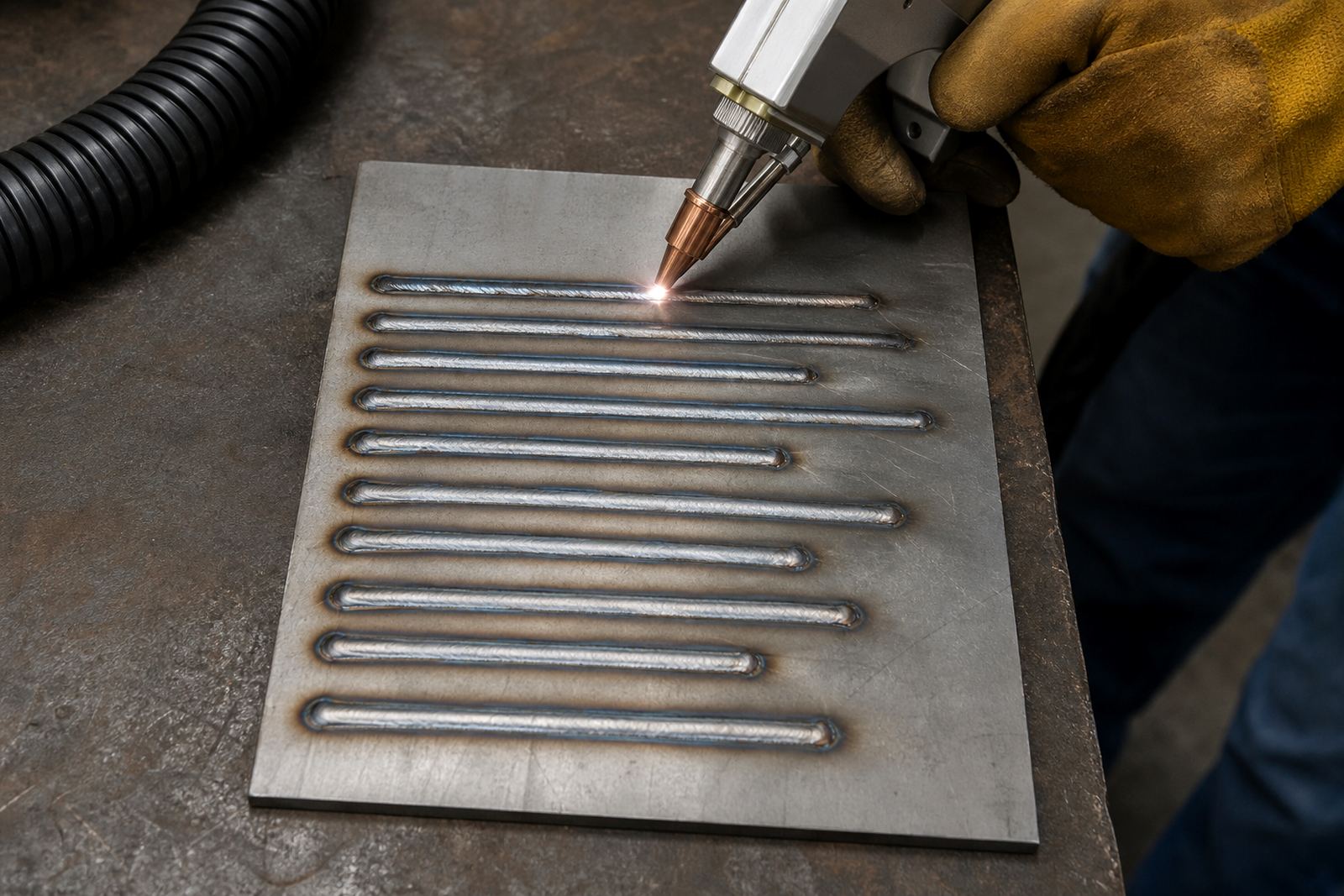
Starter kits are useful when they are built around the learner’s actual workflow. A good kit should support safe practice, not just contain parts for the sake of it. For handheld laser welding, that usually means items that help with setup, sample work, cleaning and routine checks before production starts.
When a workshop buys a starter kit, the next question is how the kit will be used on site. Will it be for single operator practice, group instruction, or support for a small fabrication team? That answer changes what should be included and how the kit is stored. Starter kits also need simple instructions so a supervisor can hand them over without guessing.
LaserWelder Training supplies starter kits to learners and workshops across South Africa, with setup advice for teams in Johannesburg, Pretoria, Cape Town, Polokwane, Durban and surrounding East Rand operations. We also cover site readiness checks, practice plans and refresher visits so the kit is used properly from day one.
What Supervisors Should Check Before a Training Session
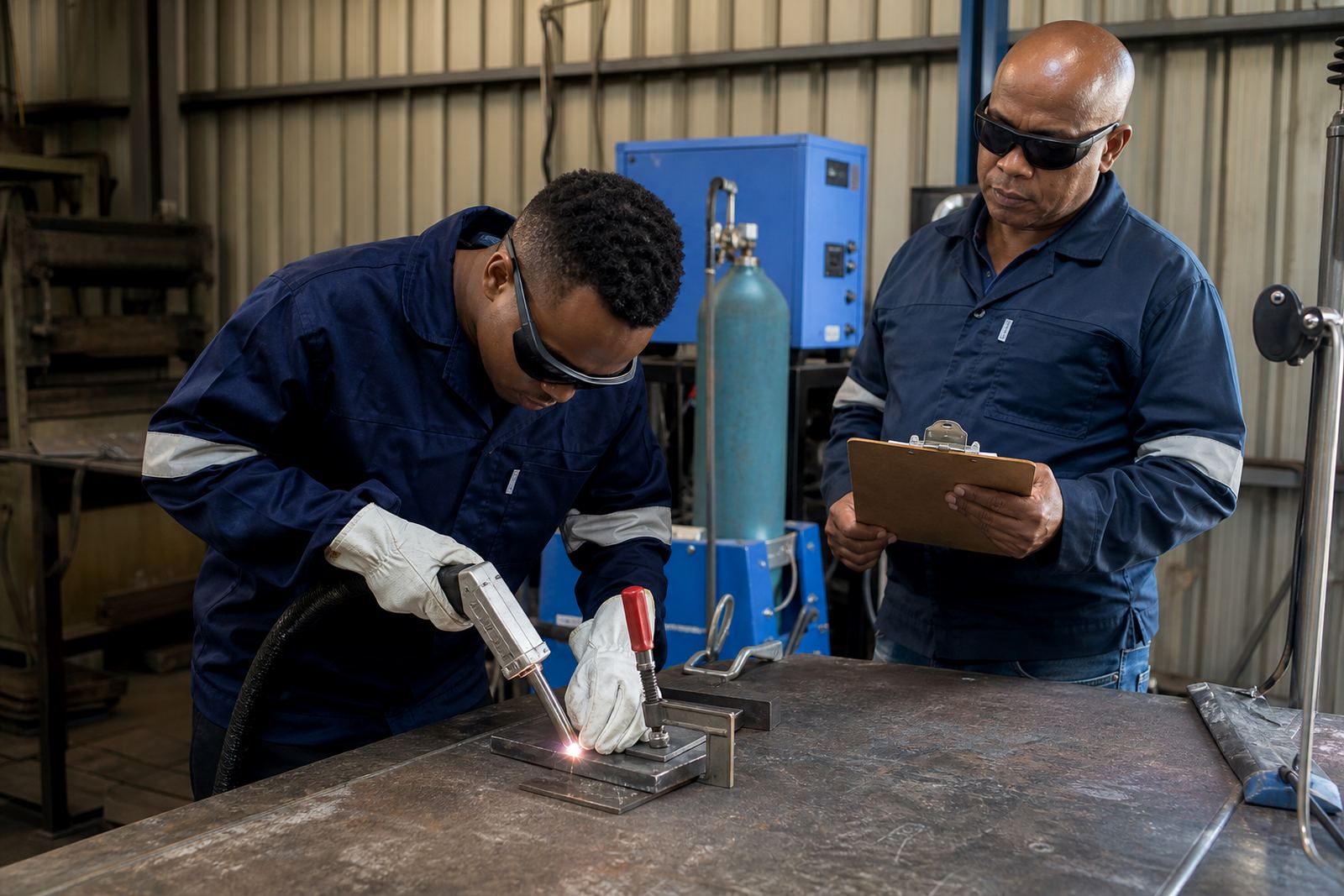
Supervisors do not need to become laser specialists, but they do need a clear pre-start routine. That routine should confirm the machine, the area, the learner and the protective equipment all match the planned task. If any one of those pieces is wrong, the session should stop until it is sorted out.
A practical checklist also helps when the team is spread across shifts or when a learner is new to welding in general. It reduces confusion and makes handover easier between instructors, workshop leads and production staff.
- Confirm the laser class and operating controls for the specific machine.
- Check eye protection, gloves and clothing before the session begins.
- Make sure the extraction system is switched on and working correctly.
- Clear the bench of reflective tools, loose scrap and flammable material.
- Review the task so the learner knows the metal, joint type and expected finish.
For workshops in Boksburg and the broader Gauteng area, this kind of routine is especially useful where multiple jobs may run in one space. It keeps the learning bay tidy and reduces interruptions from other teams moving material through the shop.
The Local Example: A Simple Setup That Prevents Trouble
Consider a small repair workshop on the East Rand that wants to add handheld laser welding for thin sheet repairs and precise finishing work. The owner has the machine, a few starter kit items and one learner ready for training. The first instinct may be to begin practice straight away, but the safer move is to set the bay up correctly first.
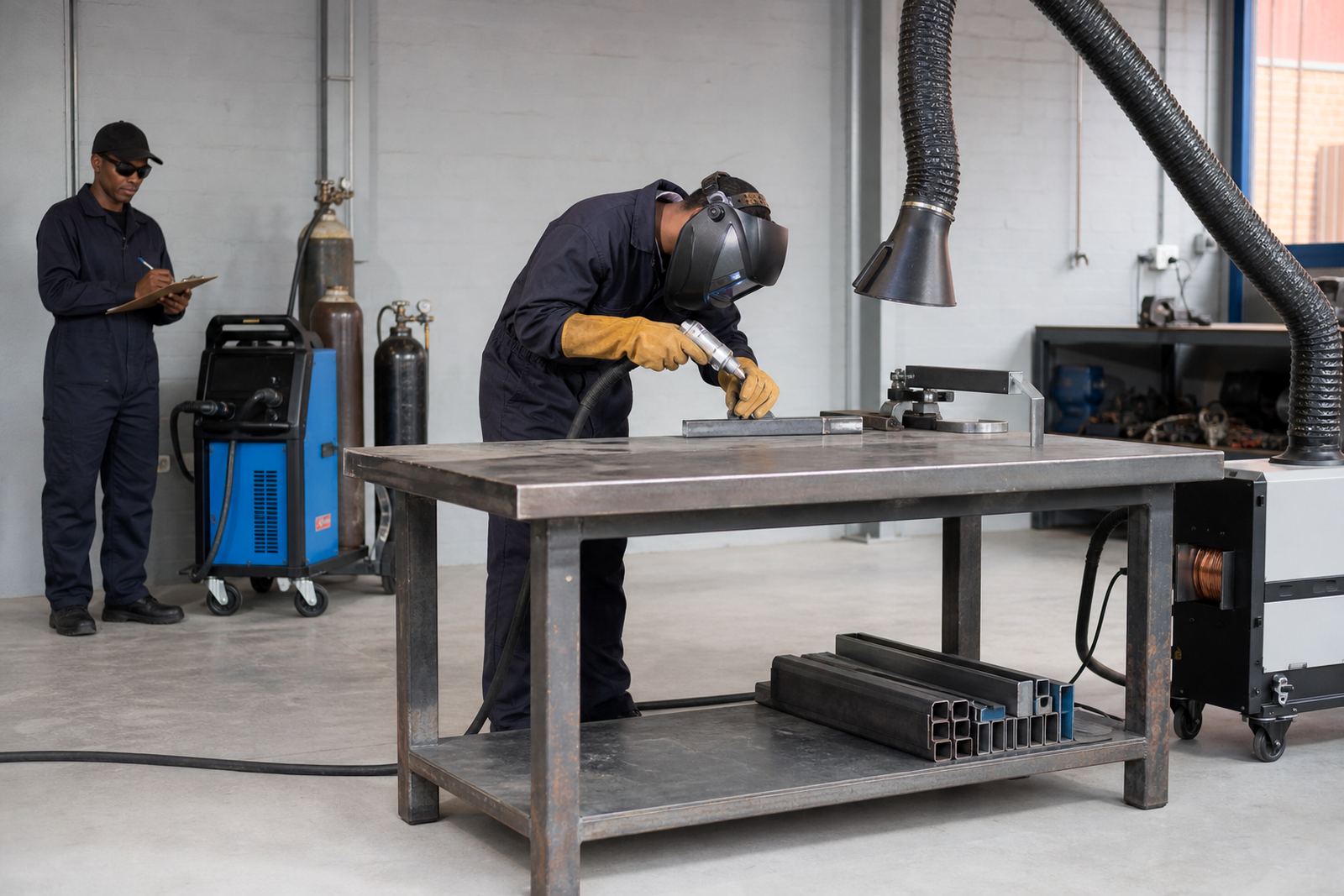
The instructor checks the machine class, places the extraction close to the weld point, confirms the eyewear rating and marks a clear operating zone around the bench. A short briefing covers beam reflection, safe movement and how to stop the job if anything looks wrong. Only then does the learner begin on scrap material. That process takes a little longer at the start, yet it prevents damage, confusion and unnecessary downtime later on.
That is the point of laser class basics. They turn a specialised process into a controlled working method that staff can repeat with confidence. Our courses lead to a certificate of completion from LaserWelder Training, and the practical training is built around real workshop conditions rather than theory alone.