What the Small Business Course Covers
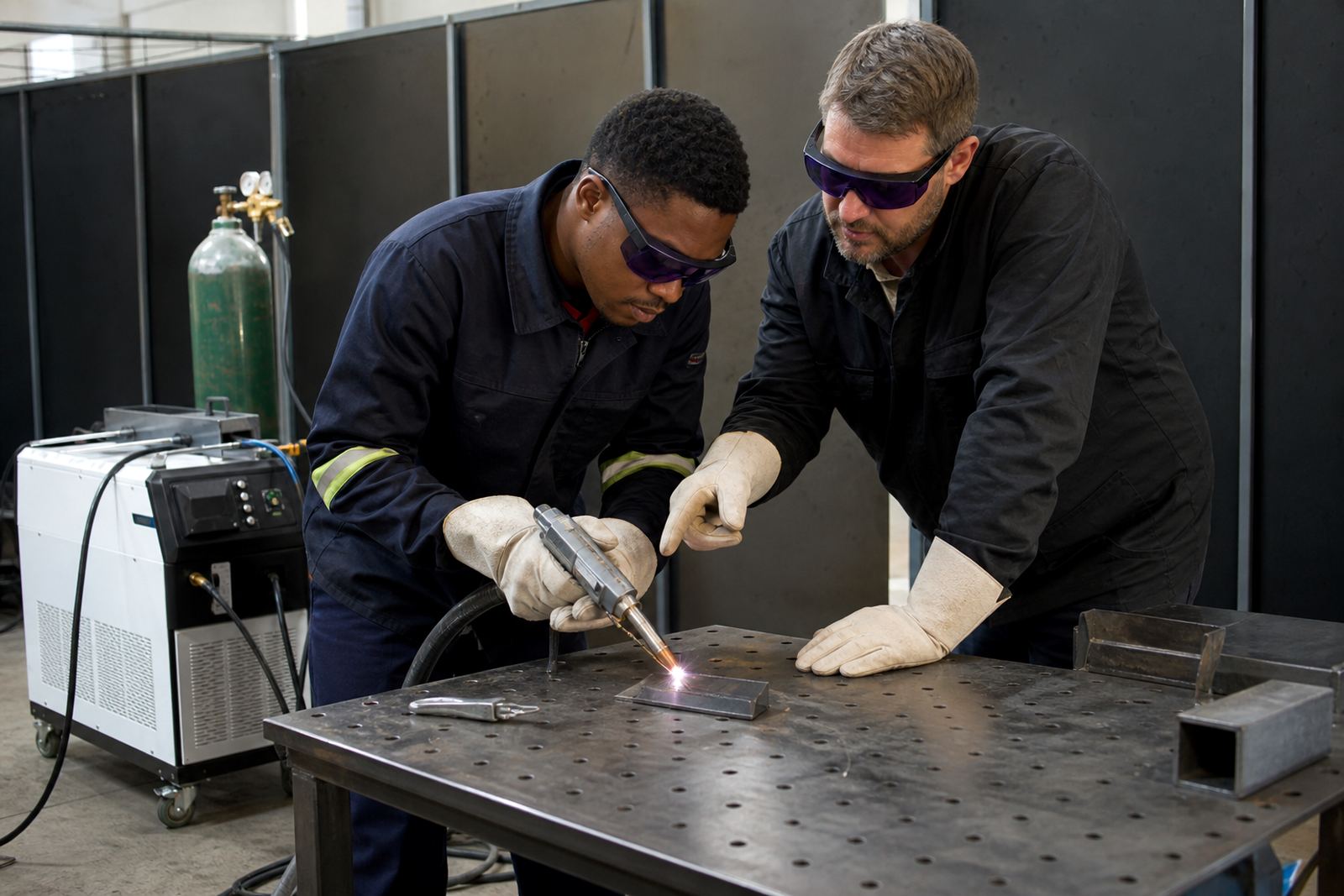
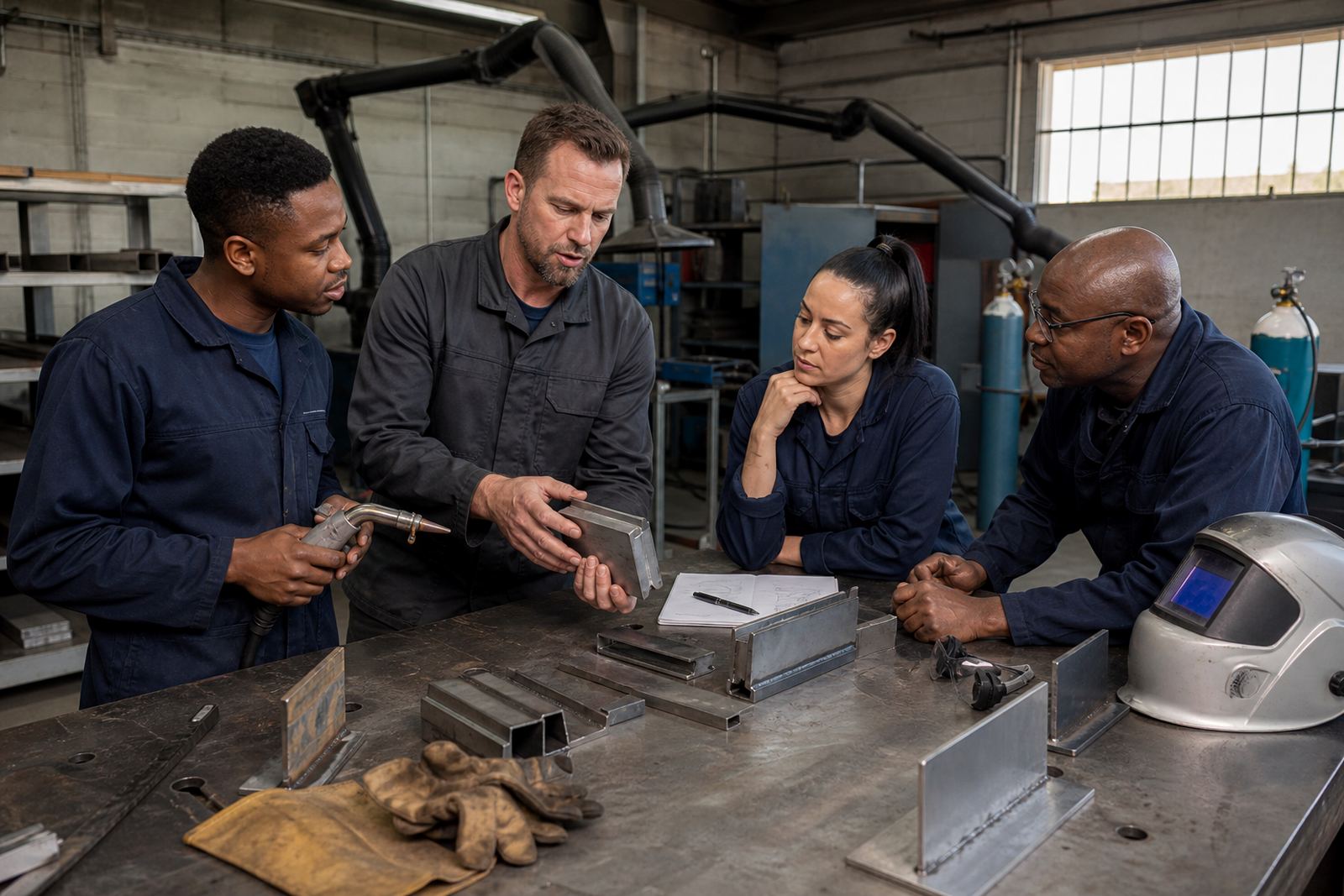
The Small Business Course is built for people who are responsible for a workshop, not just the operator standing at the machine. It suits owners, foremen, supervisors and technical staff who need to understand what handheld laser welding can do, where it fits in the business and how to roll it out properly. Training is hands-on and focused on the real work you see in South African workshops, from thin sheet repairs to light fabrication and finish work.
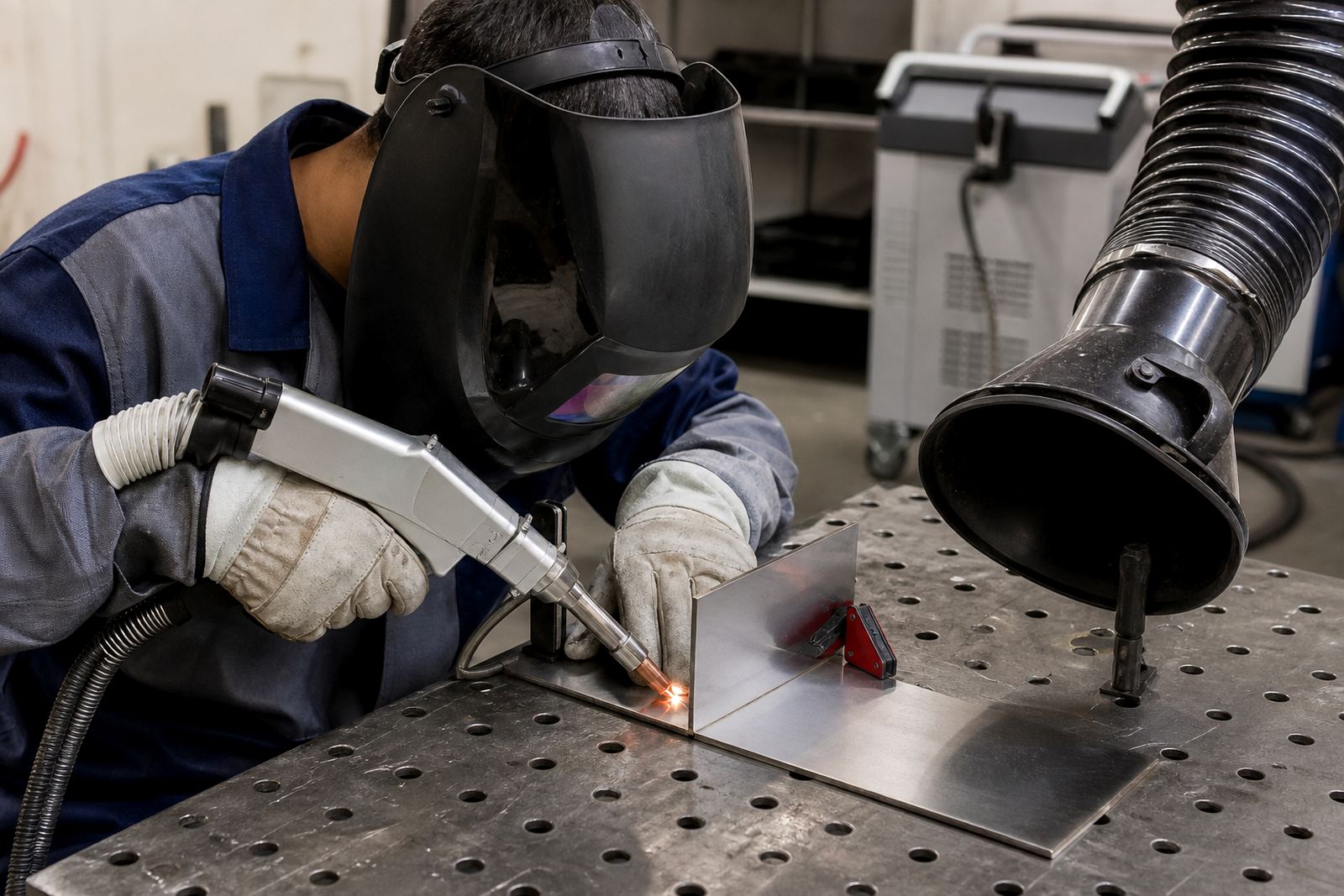
The course covers the basics of handheld laser welding, including machine controls, focal distance, travel speed, joint preparation and how material thickness changes the result. Learners also cover when laser welding is the right choice and when a conventional process is still the better option. The aim is to help a small business make practical decisions, not just learn the machine buttons.
- Suitable for beginners and teams with welding experience
- Focused on workshop use, not theory only
- Ends with a certificate of completion from LaserWelder Training
Where It Suits Best in a Small Workshop
This course suits general engineering shops, repair workshops, sheet metal teams, light manufacturing, stainless steel work, signage support and maintenance departments. It also helps businesses that do custom jobs and need cleaner welds, reduced rework and a faster setup for certain tasks. In Boksburg and across Gauteng, many smaller workshops want a process that can be added without major changes to floor space or complicated installation.
Handheld laser welding can work well where access is tight and the team needs more control on visible seams. It is often considered for stainless steel, mild steel and some aluminium work, depending on the job and the equipment setup. The course helps supervisors judge whether the work volume, part size and staff skill level support that decision.
- Good fit for small production runs and repair work
- Useful where a neat finish matters
- Helps supervisors plan staffing and workflow
Machine Sizes, Options and Starter Kit Choices
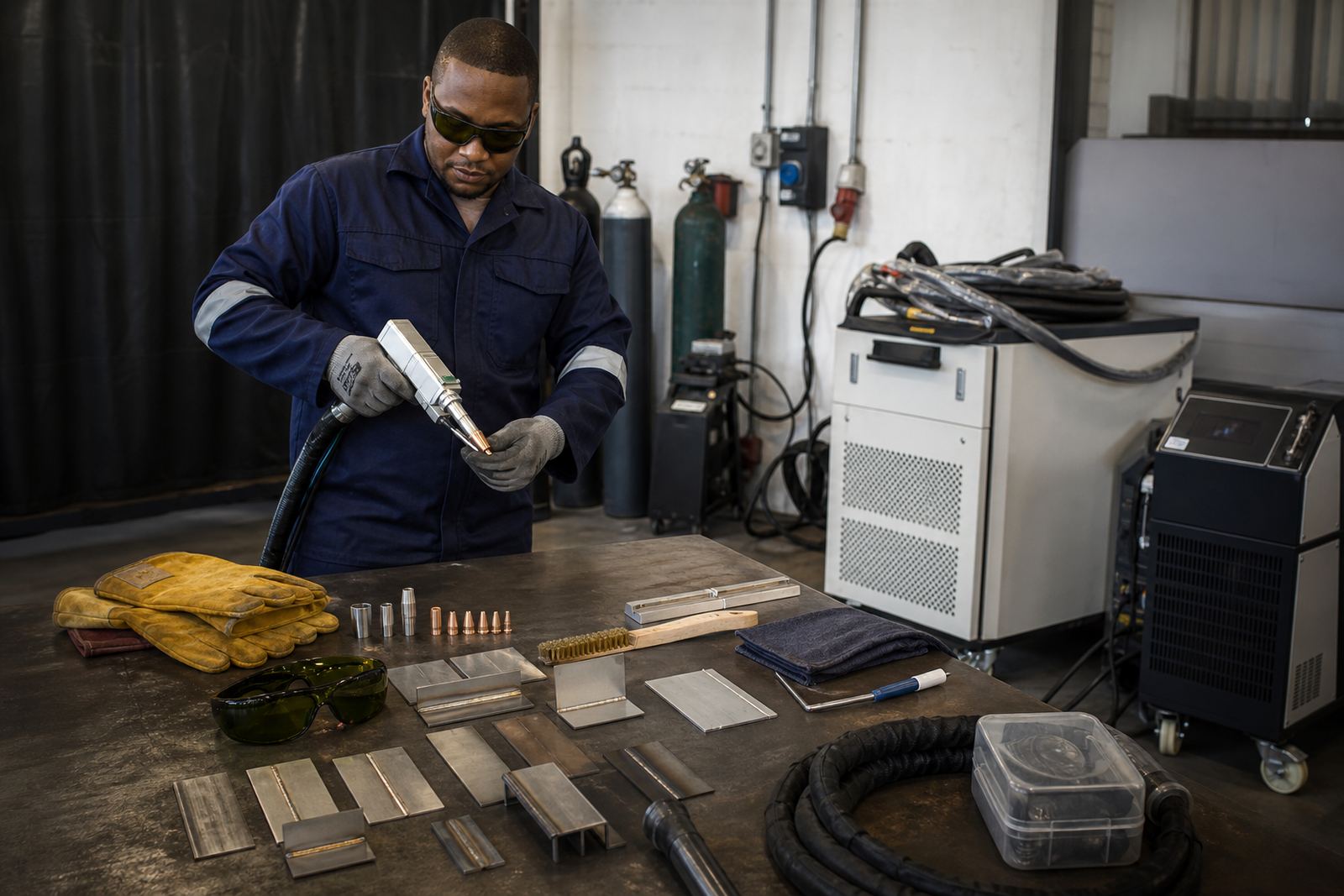
Starter kits are kept practical for learners and workshops that want a clear starting point. Options usually focus on the handheld welding unit, torch assembly, protective gear, basic tools, wire feeding if required and the support items needed to begin training safely. Depending on the work, a business may also need a chiller, trolley, shielding gas setup and a suitable extraction solution.
Different workshops need different setups. A small repair shop may want a compact unit for occasional use, while a busier workshop may need a more complete package with spare consumables and storage for accessories. During the course, learners are shown what to check before buying so the kit matches the work, the available power supply and the level of daily use. That makes it easier to avoid under-specced gear that struggles once it is on the floor.
- Compact starter kits for learners and small shops
- Workshop packages for more regular use
- Advice on consumables, storage and accessories
Power, Gas and Workshop Readiness
Before bringing in handheld laser welding, the workshop must be ready for the machine and the people using it. Power requirements depend on the unit selected, but many workshops need a stable supply and proper protection on the circuit. In load-shedding areas, backup planning matters. A machine that can be switched off cleanly and protected from power interruptions will usually give less trouble than one pushed beyond its supply conditions.
Shielding gas, if required for the application, must be arranged and stored correctly. The course also covers floor space, bench height, work positioning and how to keep the work area free of clutter. In coastal towns such as Durban or Cape Town, humidity and salt air can affect storage and maintenance, so learners are shown how to protect the machine, torch and consumables when the equipment is not in use.
- Check supply voltage, circuit protection and backup needs
- Plan gas storage and handling where needed
- Keep the unit dry, clean and covered between jobs
Safety Rules Every Supervisor Must Control
Laser welding safety is not something to leave to chance. The course explains laser class awareness, eye protection requirements, controlled access around the work area and the need for proper fume extraction. Even when the weld looks neat, the process can still create fumes and fine particulates that should be removed at source. Learners are also shown how to brief staff, set the work zone and manage visitors or untrained workers near the area.
For business owners and supervisors, this part of the course is important because it affects daily discipline. A clear safety routine helps reduce risk and keeps training consistent across the team. It also makes it easier to prepare for customer work, site visits and workshop inspections where good practice is expected.
- Use the correct eye protection for the process in use
- Provide suitable fume extraction at the work point
- Keep the laser area controlled and clearly marked
Care, Servicing and What to Check When Ordering
Good care starts with simple habits. Keep optics clean, protect the torch and cables, inspect hoses and connections, and store the unit in a dry place. A workshop should also plan for routine checks, spare consumables and a sensible cleaning schedule. If the machine is used in a busy environment, a supervisor should keep an eye on wear points and make sure the team knows what to report early.
When ordering a starter kit, check that the package matches the material type, the expected daily use and the skill level of the team. Ask what is included, what must be bought separately and what support is available after setup. It helps to confirm the workpieces you want to handle, the power available on site, whether gas is needed and whether your team will need practice plans or refresher visits later on. Good ordering saves time, and it prevents a lot of frustration once the machine arrives.
- Confirm material types and thickness range
- Check power, gas and extraction needs before ordering
- Ask what consumables and support items are included
Key facts
| Course type | Practical small business course for handheld laser welding |
|---|---|
| Format | Hands-on training with workshop-focused guidance |
| Outcome | Certificate of completion from LaserWelder Training |
| Audience | Owners, supervisors and workshop staff |
| Use case | Adding handheld laser welding to workshop services |
| Coverage | Safety, setup, workflow, starter kit planning and care |