Practical Training for Polokwane Workshops
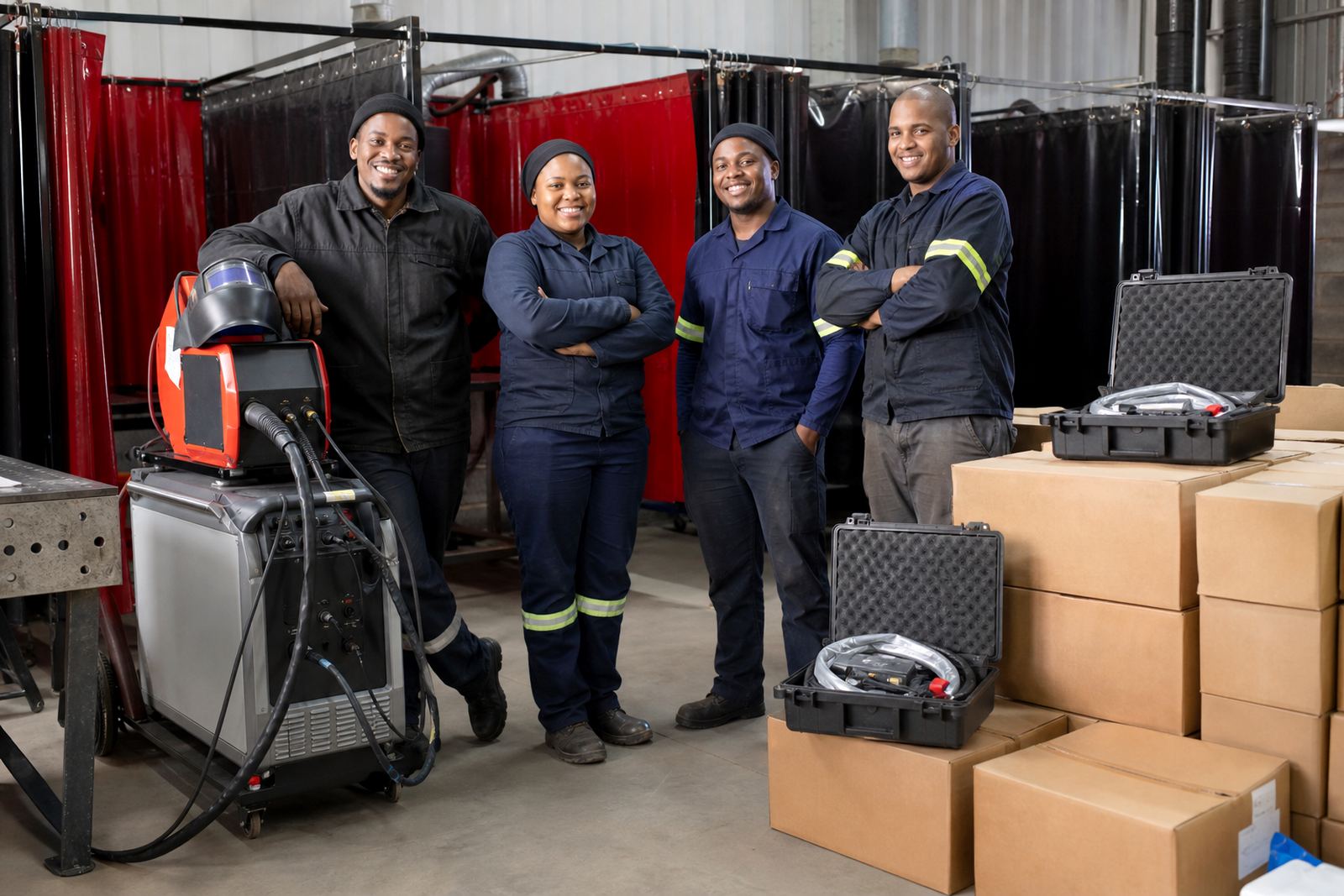
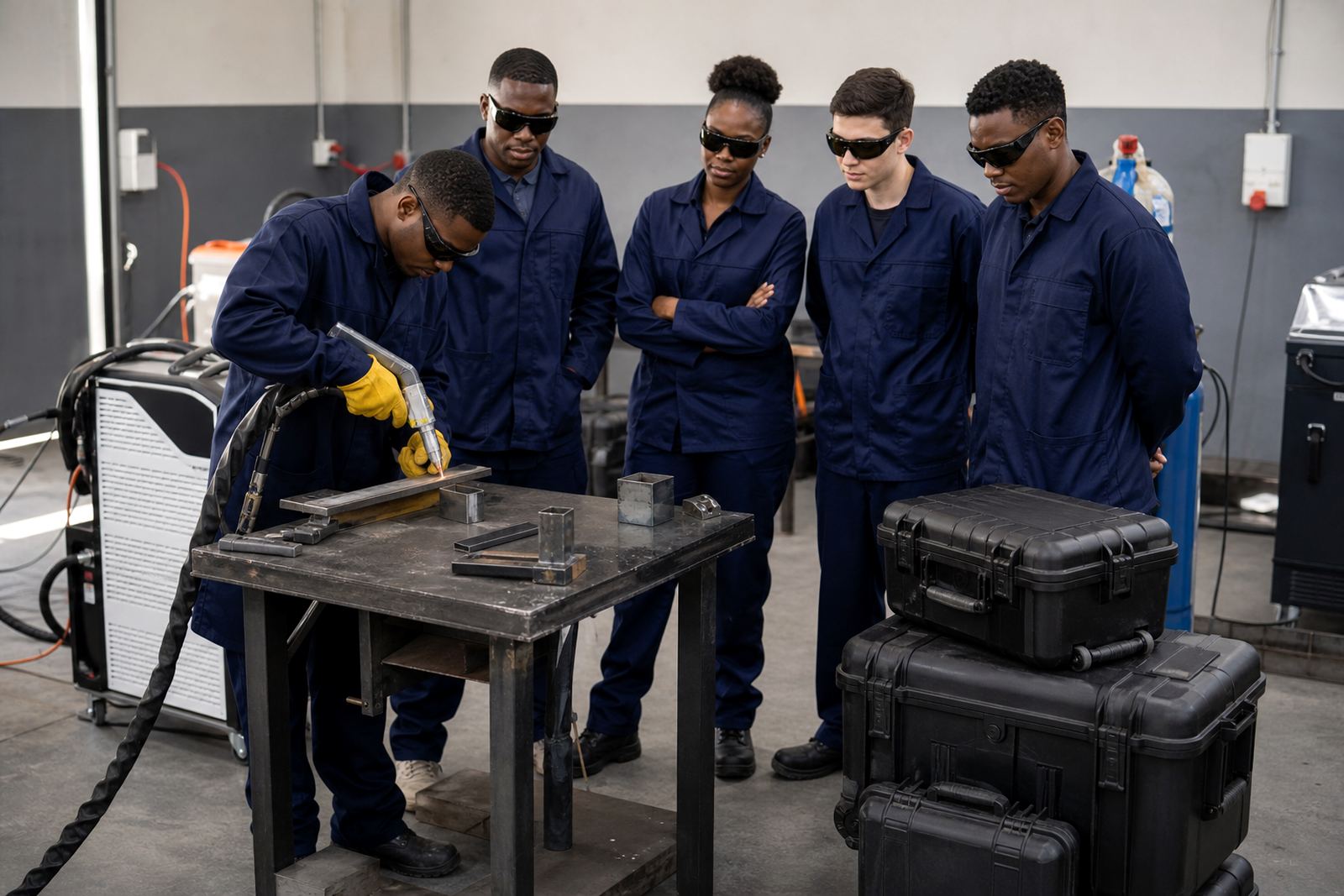
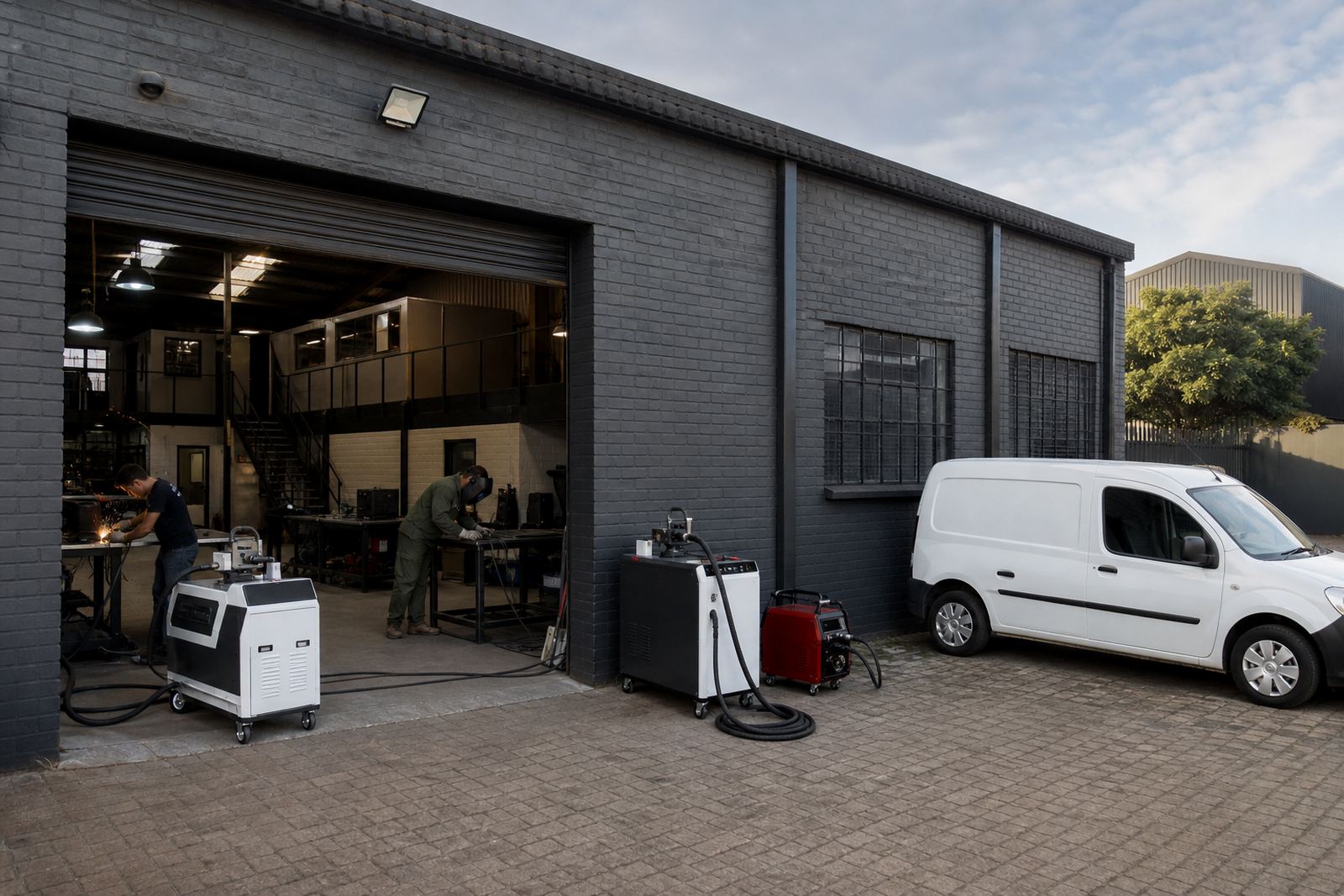
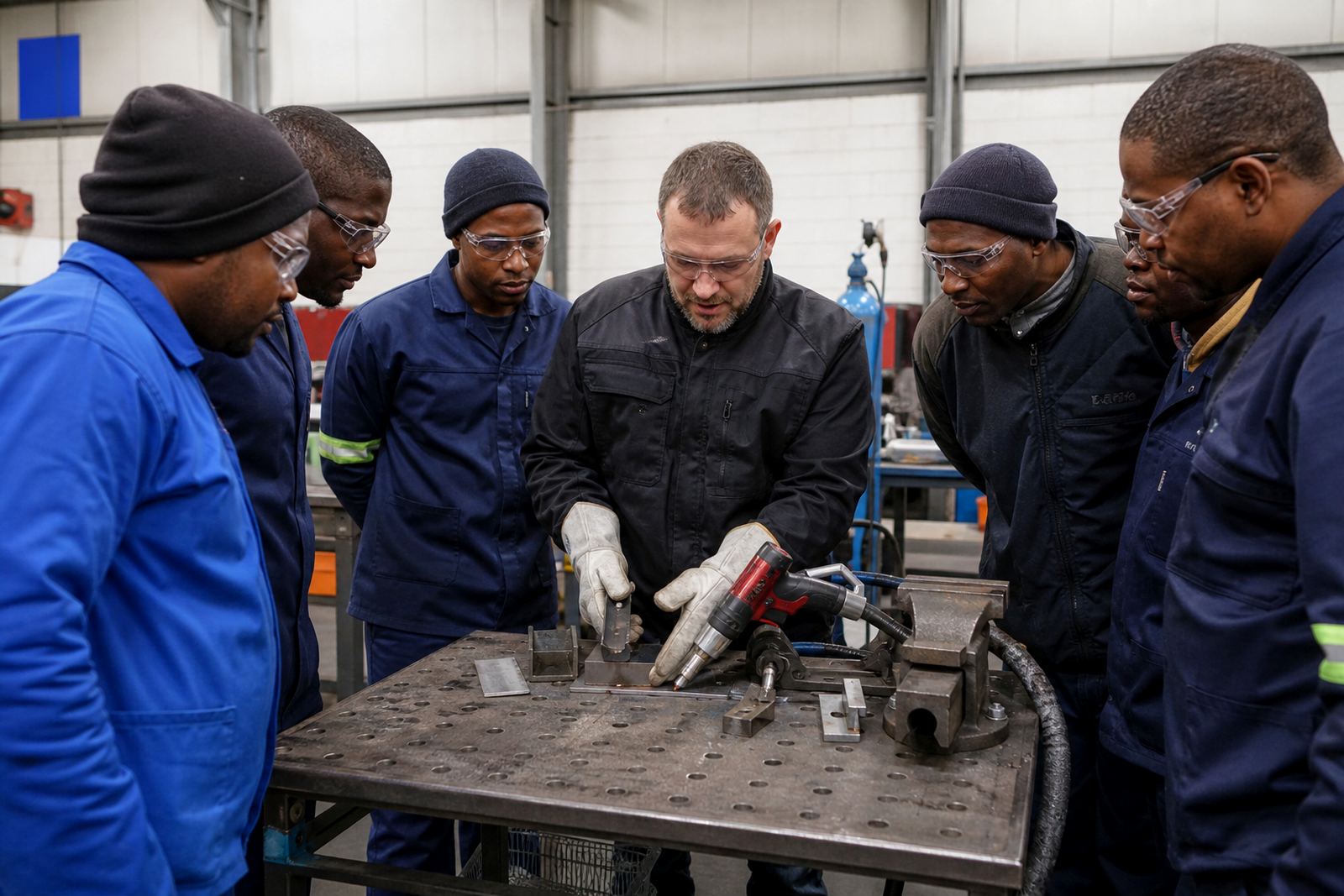
Our Polokwane Training service is suited to workshop teams, supervisors and individual learners who need direct, job-ready exposure to handheld laser welding. Sessions are built around real material handling, correct setup, controlled torch movement and consistent weld quality on thin to medium gauge metal work. We focus on the type of jobs seen in local repair shops, fabrication yards, agri support workshops and light manufacturing spaces.
Because Polokwane serves a wide area of Limpopo, many clients want training that can be applied quickly after the session. That means clear instruction, repeatable steps and enough supervised practice to build confidence. We can also help you plan the order of training so new operators start with safe handling, then move into bead control, joint preparation and finishing.
What We Cover in the Course
Handheld laser welding uses a focused laser beam to join metal with a high level of control. It can be useful where heat input must be kept tight and where clean finishes matter. Training covers how the machine behaves, how to set up a work area, and how to avoid common faults such as poor fit-up, inconsistent travel speed and uneven penetration.
- Machine familiarisation and safe start-up checks
- Joint preparation, clamping and part alignment
- Weld speed, angle and movement control
- Cleaning between passes and visual inspection
- Basic fault finding and corrective steps
We also explain where handheld laser welding fits best, and where another joining method may be the better choice for the job.
Safety Standards for Everyday Workshop Use
Laser welding requires proper controls, not guesswork. We cover laser class awareness, eye protection that suits the equipment in use, and the need for correct enclosures or screens where relevant. Operators are shown how to work with defined access zones and why only trained people should be near the active work area.
Fume extraction is part of the discussion too. Even when a job looks clean, fumes and fine particles can build up fast in enclosed spaces, especially in smaller workshops or during load-shedding when ventilation habits change. We advise on practical extraction placement, housekeeping and why respirators are not a substitute for proper fume control.
- Eye protection selection for the task and machine class
- Fume extraction setup and airflow checks
- Safe handling of reflective surfaces
- Heat, fire and burn awareness
- Operator and bystander separation
Starter Kits for New Learners and Busy Shops
For learners and workshops that want to get going with the right basics, we supply starter kits with the items commonly needed to begin supervised practice and early production work. The kit contents are selected to support setup, cleaning, marking, measuring and day-to-day handling. We keep the focus on practical items that are easy to use and simple to maintain.
Starter kit setup can include guidance on storage, consumables planning and what should be kept on hand for common tasks. In Polokwane, where some sites face dust, heat and occasional power interruptions, good storage and basic protection for gear can make a real difference to working life. We help you set up the kit so it is ready for use rather than packed away in a corner.
Travel, Turnaround and Support Across Limpopo
Our base is in Boksburg, Gauteng, and we support Polokwane clients through planned training visits and coordinated follow-up. Travel arrangements depend on the size of the group, the workshop setup and the type of support needed. For some clients, one visit is enough for induction and core skills. Others prefer a longer programme with refresher support after the team has had time to practise.
Typical turnaround depends on the enquiry, but we keep the process straightforward. Once you submit the form on our contact page, we review the training need, confirm the scope and arrange the next available slot. For workshops that run tight schedules, we can help structure the order of topics so the most urgent needs are covered first.
Who We Work With in Polokwane
Polokwane training is often requested by repair workshops, fabrication teams, maintenance departments and small businesses that want better control over welding quality. We also work with individual learners who want a certificate of completion from LaserWelder Training after finishing the course. That certificate confirms the learner attended and completed the required training outcomes with us.
- New operators needing first-time instruction
- Workshop staff moving into laser welding tasks
- Supervisors who need a better grasp of process control
- Teams requiring safety briefings and operator inductions
- Businesses wanting refresher visits and workflow advice
Where needed, we can also assist with supervisor coaching, training document packs and technical help after the course. The aim is to keep the skills practical and useful on the floor, not just in a classroom.