What the Fabricator Upskilling Course Covers
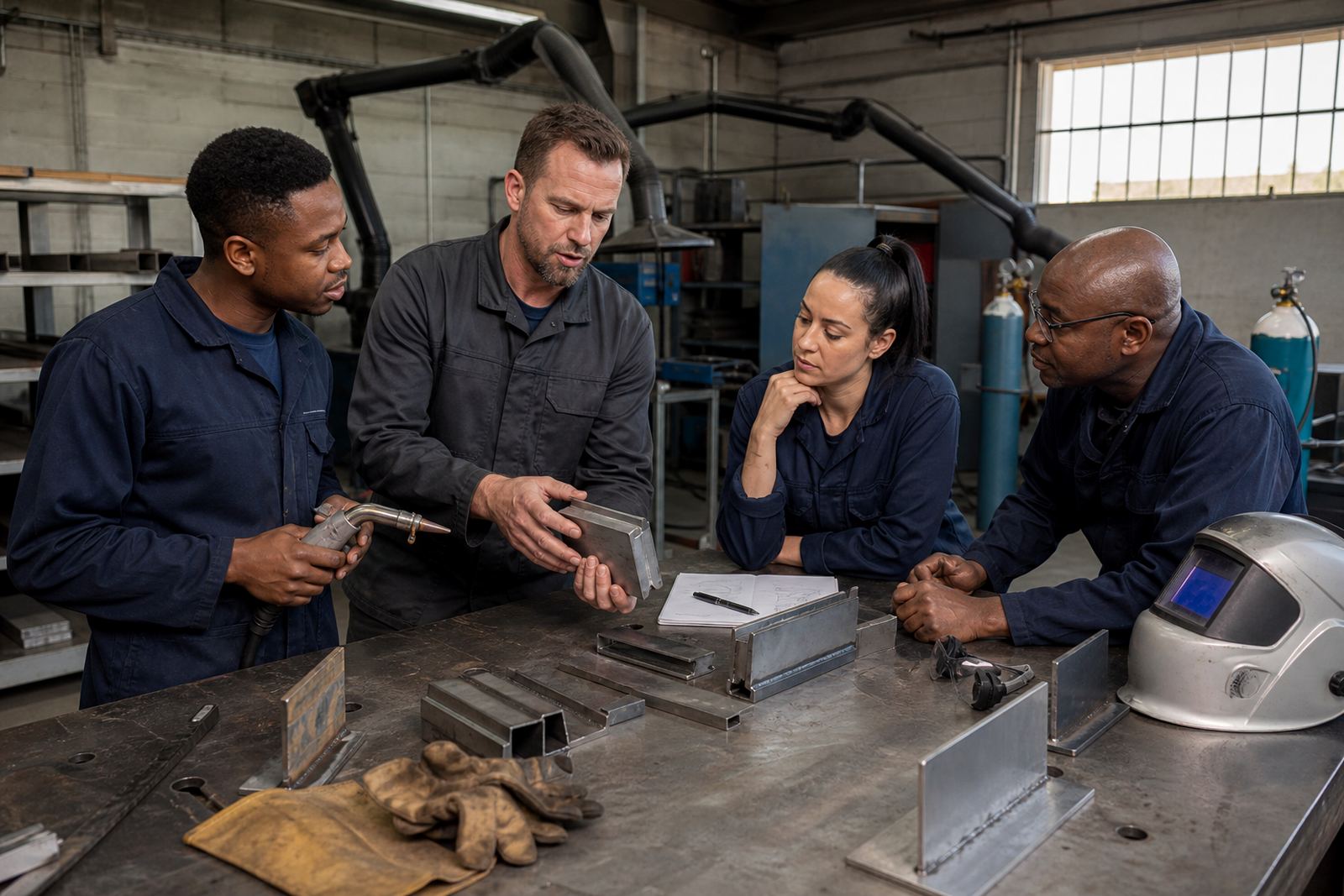
The Fabricator Upskilling Course is for welders, fitters and workshop staff who already know how to measure, cut, clamp and assemble metalwork, but need a clear route into handheld laser welding. The focus is on how laser welding changes day-to-day work, including joint preparation, part alignment, machine setup, travel speed, heat control and post-weld finishing. It is not a theory-only class. Learners spend time at the bench and on the torch so they can see where the process suits clean sheet metal work, brackets, frames, enclosures and repair jobs.
The course also covers how to plan work for a laser workflow, so small jobs move faster and rework is reduced. That includes checking edge condition, confirming material thickness, choosing the right weld path and understanding when a traditional process is still the better option. For many shops, the biggest gain is not just speed but consistency and less grinding after the weld. It is a practical way to upskill a team without overcomplicating the workshop routine.
Who It Suits in a Busy Workshop
This course suits conventional fabricators who are already active in manufacturing, maintenance or repair work and want to add handheld laser welding to their skill set. It is useful for owner-operators, supervisors and shop teams in Boksburg, Johannesburg, Pretoria, Durban, Cape Town, Polokwane and other industrial areas where fast turnaround and neat finishing matter. Workshops that work on mild steel, stainless steel or aluminium parts can benefit, provided the team understands basic fabrication practice and safe handling of metal parts.
- Fabricators moving from MIG or TIG into laser welding
- Workshop teams handling light manufacturing and repair work
- Supervisors who need to assess whether a job suits laser welding
- Staff responsible for setup, finishing and quality checks
- Owners wanting faster workflow on suitable small to medium jobs
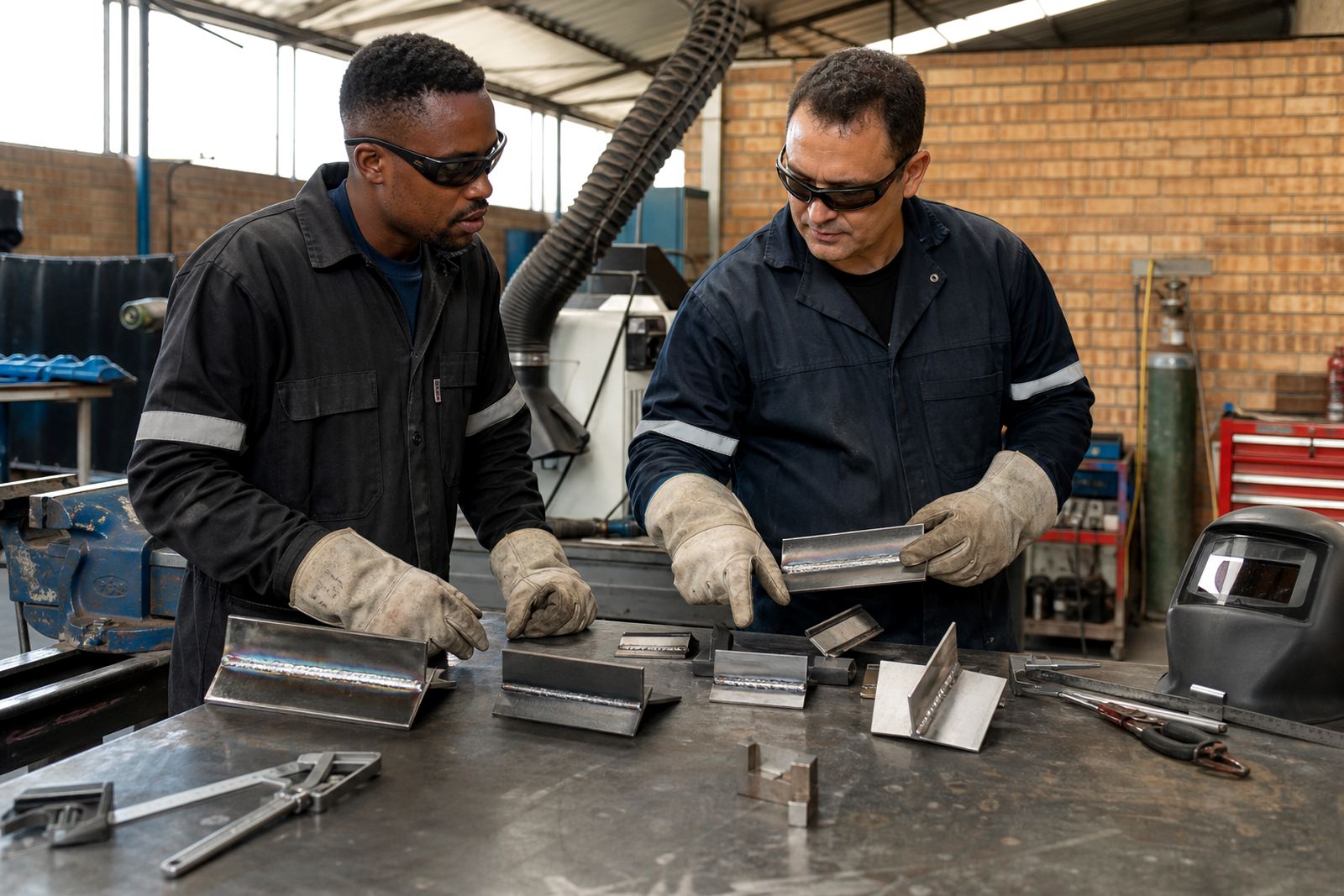
It also suits businesses that get irregular work and need a process that helps with cleaner joins and less post-processing. On some jobs, a quick change in joint prep or clamping method can make all the difference, and that is where this course adds value. Learners leave with a stronger sense of what to do before the arc is struck and what to inspect after the weld cools.
Safety, Eye Protection and Fume Control
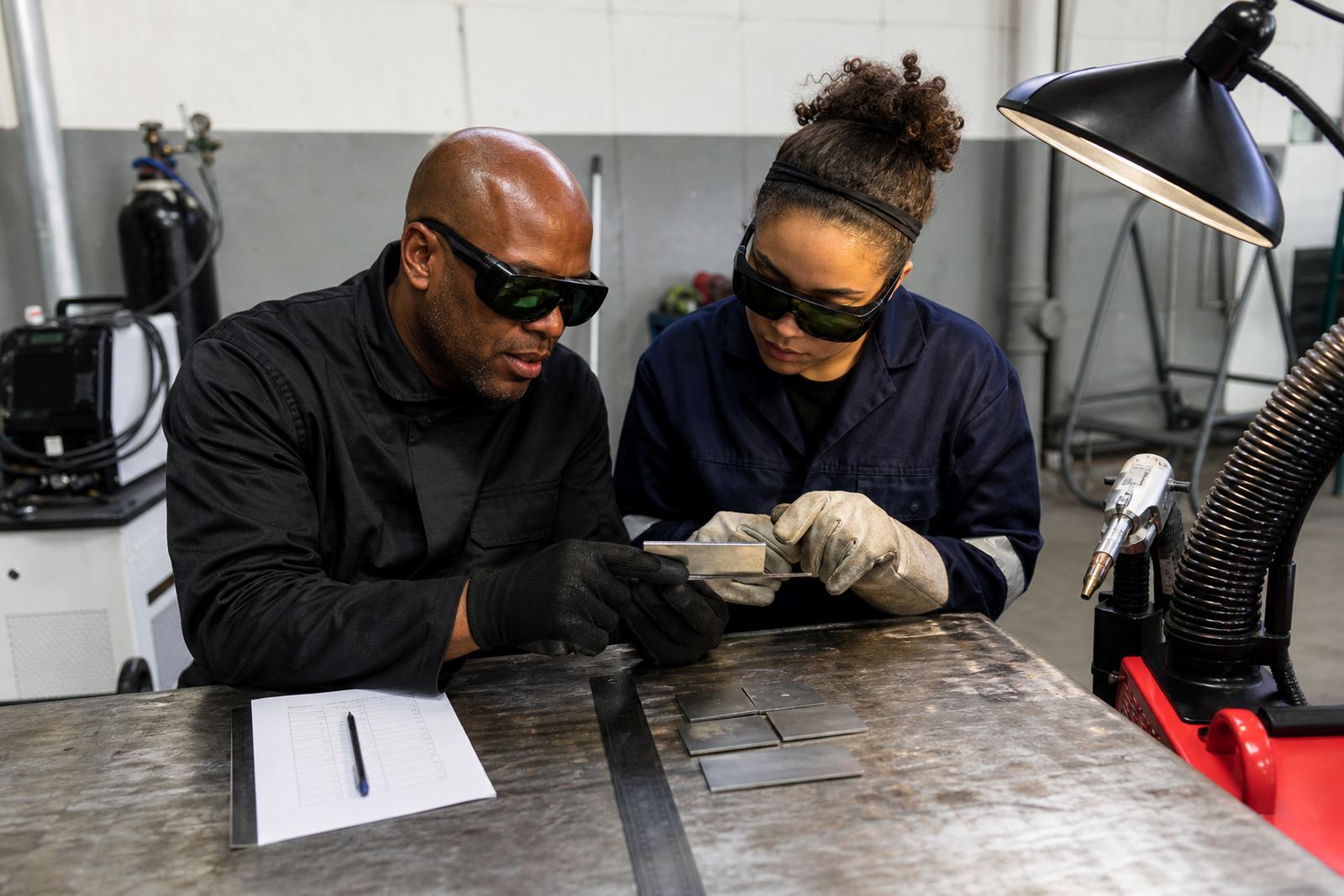
Handheld laser welding needs proper safety controls, not shortcuts. The course explains the basics of laser class awareness, controlled access to the work area and the right eye protection for the process in use. Learners are shown how reflected light can be a risk on bright metal, polished surfaces and tight corners. Suitable screening, clean work habits and disciplined setup are part of the training, because the operator must protect both themselves and anyone working nearby.
Fume extraction is covered as part of normal workshop practice. Even when the weld looks neat, the process can produce fumes and fine particles depending on the metal, surface condition and filler use. The training shows where extraction should be positioned, why airflow matters and how to keep the immediate area clear of clutter. In coastal workshops, humidity can also affect storage and surface condition, so care around consumables and cleaned material is important. Good safety practice saves time later and helps the team work with confidence, not guesswork.
- Laser class awareness and controlled work area setup
- Appropriate eye protection for operators and nearby staff
- Fume extraction placement and airflow checks
- Surface cleanliness before welding starts
- Safe handling of test pieces, clamps and hot material
Sizes, Options and Course Format
The course is arranged as a hands-on upskilling session for individuals or small groups, with the content adjusted to the learner's current workshop level. Some teams need a basic introduction to handheld laser welding workflow, while others want focused time on setup, part fit-up and finish quality. Sessions can be structured around one learner, a small crew or a company group depending on the number of staff to be trained and the type of work they do. The teaching is practical and direct, with enough repetition for the operator to build confidence.
Options can include a shorter refresher for experienced fabricators, a fuller upskilling programme for new operators and workshop coaching for supervisors who need to set standards across a team. The certificate issued at the end is a certificate of completion from LaserWelder Training only. It confirms attendance and course completion, and is useful for internal records, onboarding and workshop induction files.
- Individual or small group training
- Beginner-friendly upskilling for fabricators with basic experience
- Refresher option for teams already using handheld laser welding
- Supervisor coaching for workflow and quality control
- Certificate of completion from LaserWelder Training
Power, Gas and Workshop Setup Needs
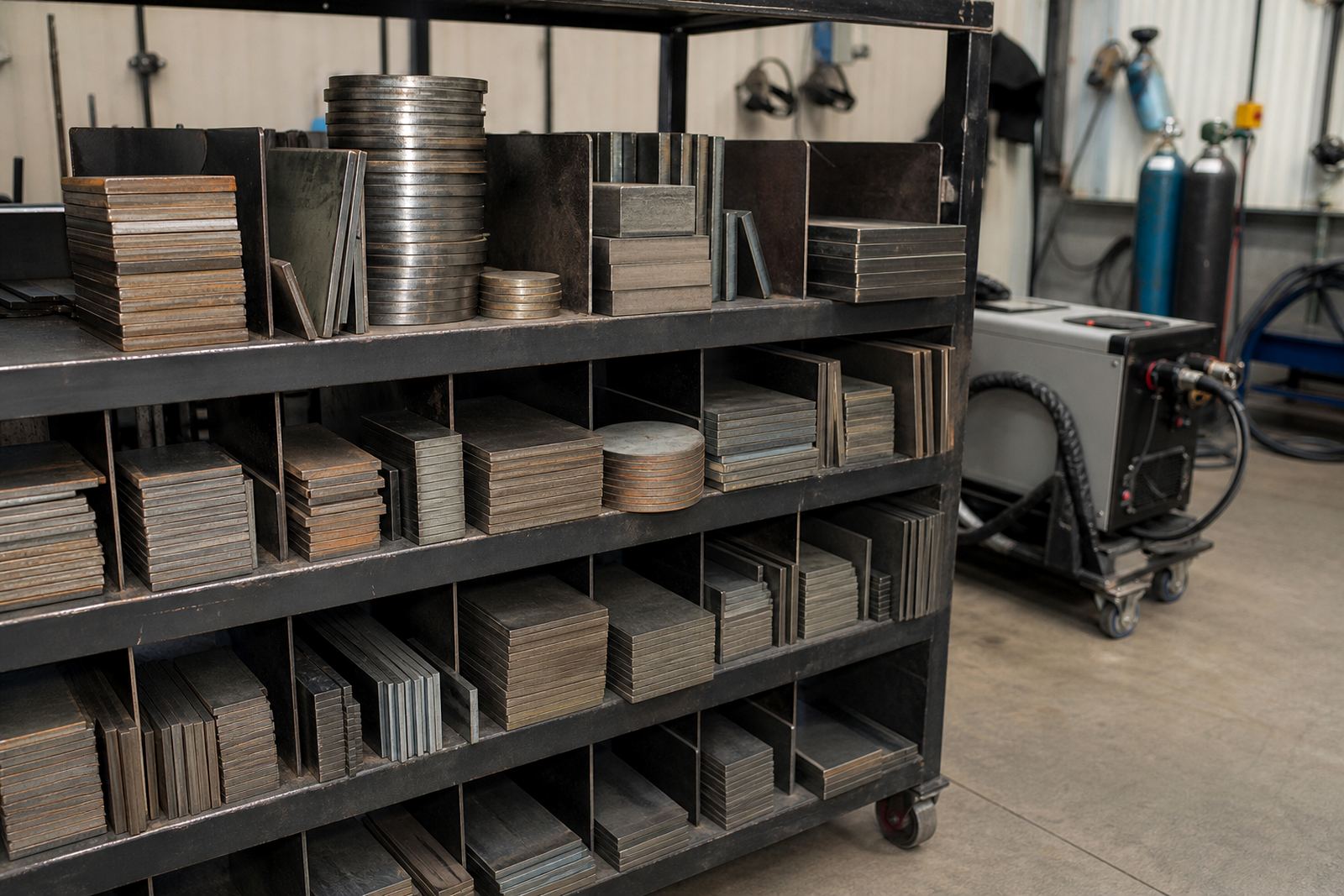
Before training day, the workshop should have a stable power supply, clear bench space and a safe area for the machine, workpieces and consumables. Handheld laser welding equipment typically needs a proper electrical supply that matches the machine rating, so the team should confirm voltage and phase requirements in advance. Where load shedding is part of the normal routine, planning for shutdowns, restart checks and safe storage of material becomes part of the practical conversation. A learner who understands the site constraints is far more likely to use the equipment properly after training.
Shielding gas needs vary by material and application, so the course explains how to confirm gas type, flow setting and cylinder handling. The workshop should also allow for fume extraction, stable workholding and a clean surface for test pieces. For new users, a sensible layout matters more than fancy equipment. If the setup is cramped, wet or full of grinding dust, the result suffers. Simple checks before training save a lot of frustration later.
- Suitable electrical supply for the machine rating
- Correct shielding gas for the job and material
- Stable clamps, tables and part support
- Fume extraction and clear access around the weld area
- Space for test welds, inspection and post-weld finishing
Starter Kit Guidance and What to Check When Ordering
Some learners want more than the course alone, so starter kit guidance is included where needed. A practical starter kit for handheld laser welding usually covers the basic items required to begin controlled practice, support safe handling and keep the work area organised. The right kit depends on the machine, the material and the type of jobs the shop does. It is better to match the kit to real work than to buy extra items that sit on a shelf. That is especially true for smaller shops watching cash flow.
When ordering, check the machine rating, torch setup, gas requirements, cable length, cooling arrangement if applicable and what consumables are included. Ask about training documents, safety briefings, setup support and how the kit is intended to be used in the workshop. It also helps to confirm whether the team will need refresher visits, workflow advice or technical help after training. A good order is the one that fits the job, the team and the site conditions.
- Confirm the intended material types and thickness range
- Check electrical supply, gas needs and available workspace
- Ask what consumables and accessories are included
- Confirm whether the kit suits one operator or a full workshop
- Request setup support if the team is new to handheld laser welding
Key facts
| Course type | Hands-on fabricator upskilling for handheld laser welding |
|---|---|
| Main focus | Workflow, safety, part prep, finishing and quality checks |
| Suitable learners | Fabricators, welders, fitters, supervisors and workshop staff |
| Materials covered | Mild steel, stainless steel and aluminium applications |
| Delivery | Individual or small group practical training |
| Completion | Certificate of completion from LaserWelder Training |