Handheld Laser Welding Explained in Plain English
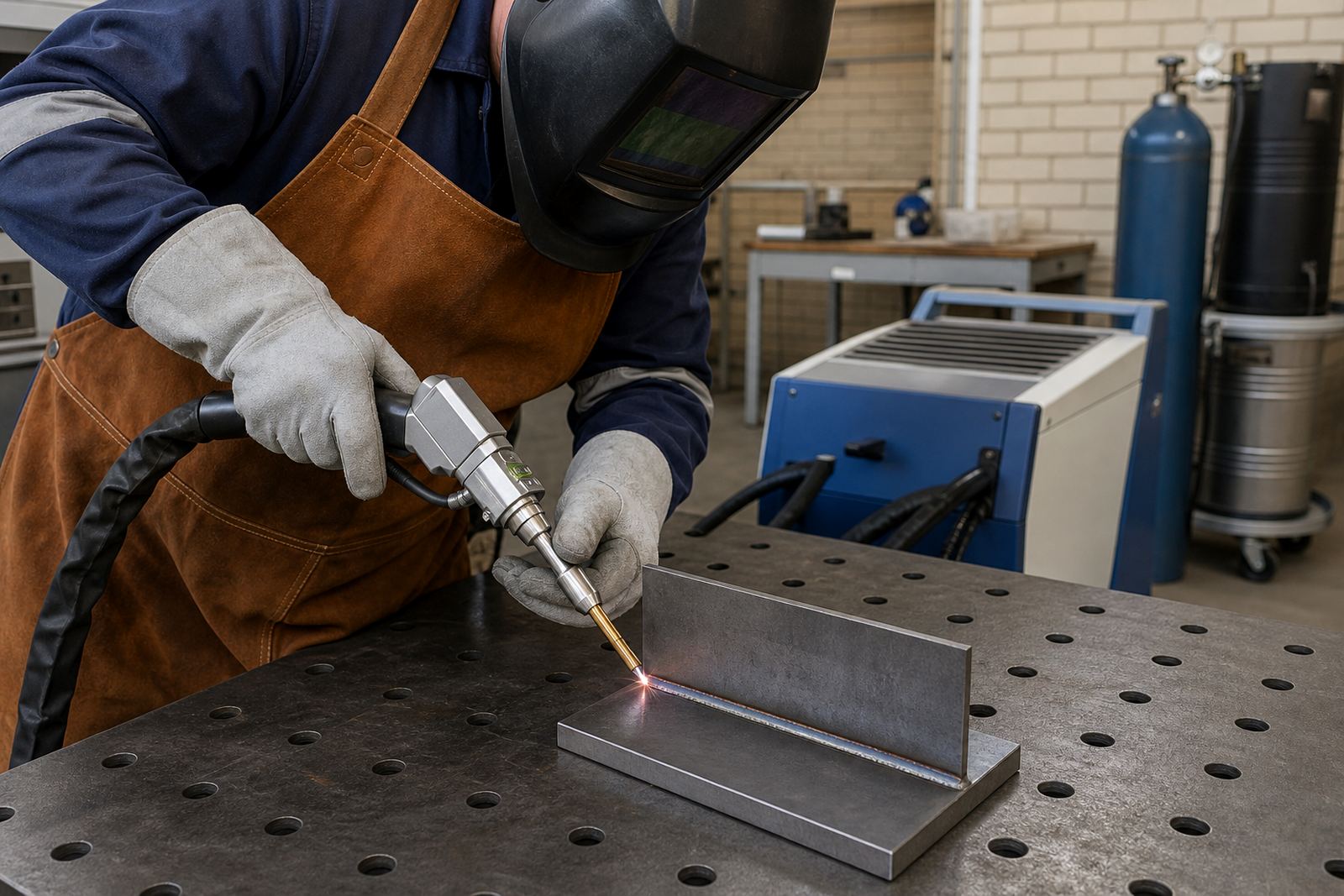
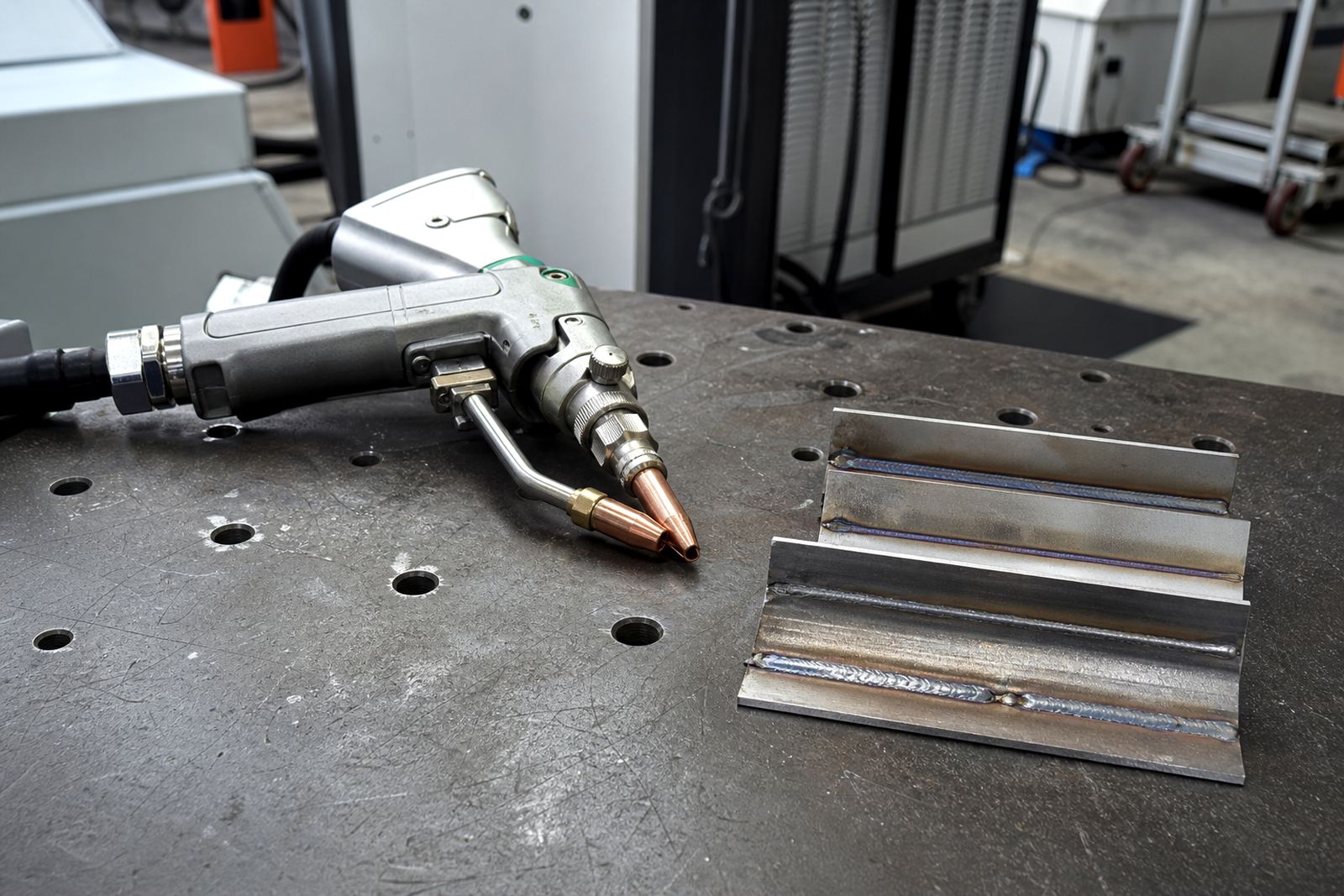
Handheld laser welding uses a focused beam of light to melt and join metal at the point of contact. Instead of relying on a broad heat source, the operator guides a hand-held torch along the joint, which helps control the weld on thin sheet, brackets, guards, frames and light fabrication work. It is especially useful when you need neat seams and less distortion on parts that must fit properly after welding.
In simple terms, the machine does not replace skill. It gives the welder a different tool with a narrower heat zone, faster travel on suitable jobs and a cleaner finish on many applications. The operator still needs the right settings, good joint preparation and steady hand movement. That is why practical training matters, because the learning curve is short but the consequences of poor setup can be costly.
Where It Fits in a South African Workshop
Many workshops in Gauteng and beyond are looking for ways to speed up repeat work without adding too much rework. Handheld laser welding can suit fabrication shops, repair bays, maintenance teams and jobbing operations that work with mild steel, stainless steel and aluminium, depending on the machine setup and the operator skill. It is useful where parts are thin, where appearance matters, or where heat distortion has been a problem.
- Body panels, covers and guards that must keep their shape
- Small frames, brackets and assemblies with tight fit-up
- Repair work on thin sections that do not need heavy grinding
- Workshop jobs where speed and consistency matter from one piece to the next
For many local businesses, the attraction is practical. Less post-weld cleanup, fewer warped parts and a cleaner workplace can make a real difference when orders are moving and load-shedding already affects planning. If power supply is managed carefully, the method can fit into day-to-day production quite well.
The Safety Basics You Need Before the First Weld
Laser welding is safe when the right controls are in place, but it must never be treated casually. The laser source is typically a controlled industrial system and operators must understand the class rating of the equipment, the setup around the work area, and the correct use of protection. Eye protection is essential, and it must match the wavelength and operating conditions of the machine being used. Ordinary workshop glasses are not enough.
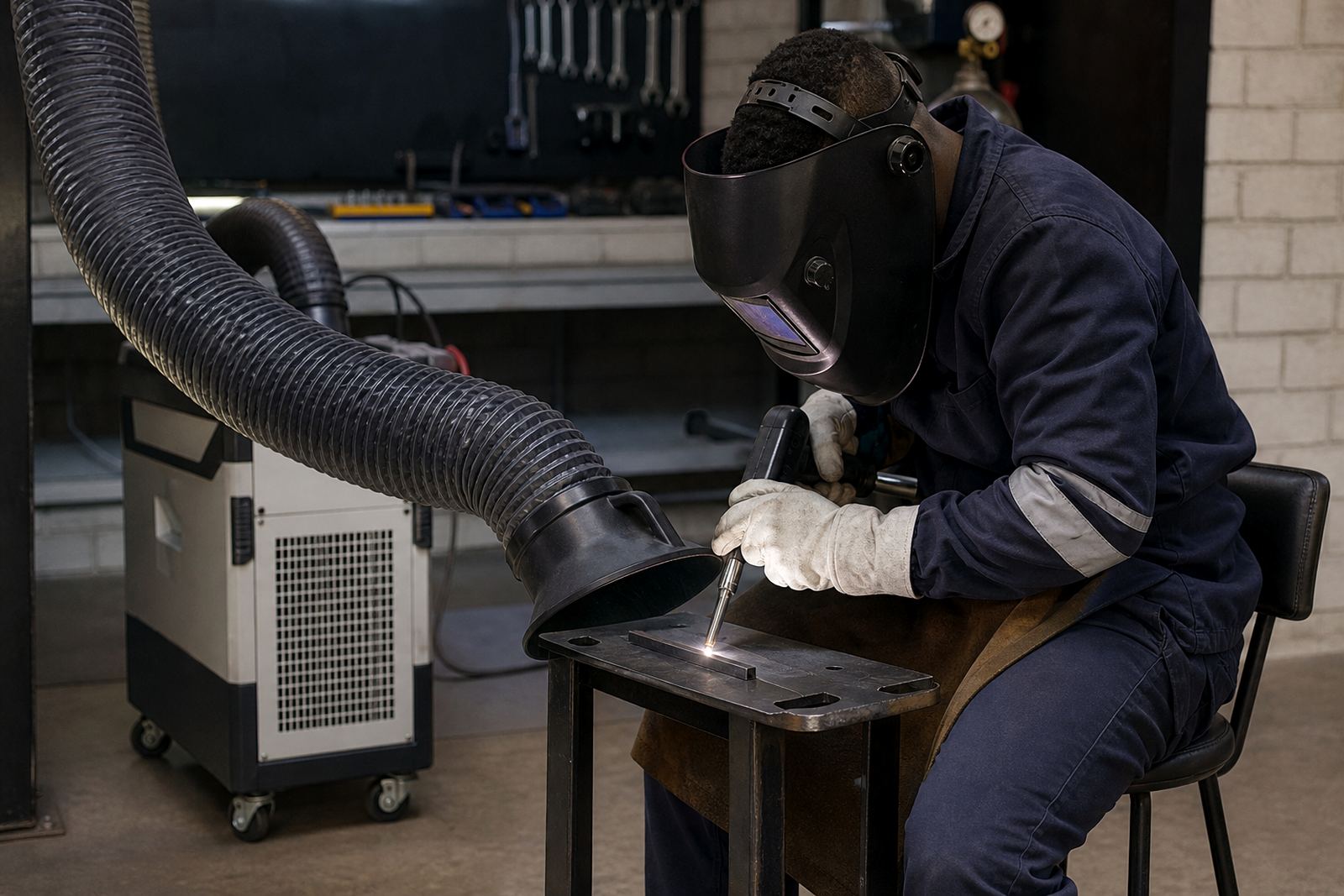
Fume extraction is another basic requirement. Even on clean work, heating metal creates vapours and particulates that should be moved away from the breathing zone. Good extraction also helps keep the work area visible and reduces dust build-up on lenses and surfaces. In practical terms, a tidy workstation, clear signage and a no bystander zone help prevent accidents.
- Confirm the laser class and follow the controls for that equipment
- Use proper eye protection rated for the machine in use
- Set up extraction so fumes do not linger around the operator
- Keep reflective tools and loose shiny items away from the beam area
- Restrict access to trained operators and authorised helpers only
We cover these points in our safety briefings and operator inductions, because good welding starts before the trigger is pulled.
What Comes in a Starter Kit
A starter kit should help a learner or small workshop begin with the right essentials, not just the machine. The details vary by application, but a practical kit normally includes the working accessories needed for setup, handling and basic routine use. It should also support safe operation and sensible storage so the equipment lasts. For workshops on the East Rand or farther afield, that can save a lot of running around once jobs start.
When we talk through starter kits, we look at the parts that matter for day-to-day use and maintenance. That includes the consumables that tend to run out, the basic items needed for practice, and the setup pieces that make the machine ready for the workshop floor. A good kit should match the learner’s level and the type of work they expect to do, not overload them with items they will not use.
- Working accessories for setup and handling
- Consumables suited to practice and light production
- Protective items and basic safety support
- Storage and care items for the machine and torch
- Items that help with first-time setup and routine checks
How Training Works at Our Boksburg Base
Our courses are run from Boksburg, Gauteng and are built around hands-on practice. Learners are shown how the process works, how to prepare materials, how to set up the equipment and how to recognise common problems before they spoil the job. We work with beginners as well as experienced welders who want to add handheld laser welding to their skill set. The aim is practical competence, not theory for its own sake.
Training covers the main workplace steps that matter in real use. That includes safety, joint fit-up, torch movement, basic quality checks and simple troubleshooting. We also speak about workshop readiness, because a machine is only useful when the space around it is organised properly. For teams, this can include supervisor coaching, workflow advice and refresher visits when people need a reminder after the first round of jobs.
At the end of the course, learners receive a certificate of completion from LaserWelder Training only. It confirms that the learner has completed our training programme and understands the material covered. It is a practical record for the workshop and for the learner’s own file.
A Local Example from the East Rand
A small fabrication team in the East Rand may get asked to repair thin steel covers, build light brackets and do finishing work that needs less grinding. Traditional welding can be too hot for some of those jobs, especially where panels move or distort easily. With handheld laser welding, the team can work more neatly on suitable parts and keep the finish more controlled. That said, the process still needs the right setup, and a rushed operator will still make mistakes.
In a place like Boksburg, where workshops often balance repeat repairs, short notice jobs and power interruptions, the method can be useful if it is introduced properly. A business that plans for extraction, safe storage, operator control and consumables planning is more likely to get consistent results. The process is not a magic fix, but for the right work it can improve speed and reduce cleanup.
That is why local support matters. We provide site readiness checks, starter kit setup, practice plans, technical help and training document packs for learners and workshops across South Africa, including Johannesburg, Pretoria, Durban, Cape Town and Polokwane. The same practical approach applies whether the team is one person or a full shop floor.
When to Ask for Help Before You Buy or Start
If you are new to handheld laser welding, it helps to speak to someone before you spend money on a machine or kit. The right questions are simple ones: what materials will you weld, how thick are they, who will use the equipment, and what safety controls are already in place? A workshop that skips these questions can end up with a machine that is underused or unsafe. Small issues, like poor extraction or the wrong eye protection, can become serious fast.
Our team includes training, safety and workshop support roles so learners can get clear guidance from the first enquiry through to follow-up. Whether the need is an operator induction, consumables planning, a refresher visit or basic workflow advice, the goal is to help the workshop use the equipment properly and keep the standard up. For many businesses, that practical support is what makes the difference between owning the tool and actually using it well.