Why the owner should learn the process first
When a new service is introduced, the owner sets the pace for how it will run. If you understand handheld laser welding from the start, you are in a better position to choose the right jobs, set realistic turnaround times and decide what level of operator support you need on site. That matters whether you run a repair shop in Boksburg, a small fabrication workshop in Gauteng or a mobile team that services customers across Johannesburg and Pretoria.
Owner operator training is not only about using the equipment. It is about knowing what the machine can do, where it should be used and where it should not be used. You learn how heat input affects thin material, how joint preparation changes the result and why clean surfaces matter so much. You also see how a wrong setup can waste gas, filler, consumables and time. That practical exposure helps owners avoid buying equipment before the workflow is ready.
For workshops that already handle stainless steel, mild steel or aluminium, the jump into laser welding can look simple from the outside. In practice, it still needs controls, checks and proper operator habits. A trained owner is more likely to build those habits into the business from day one, instead of trying to correct bad practice later.
What hands-on exposure should cover before you offer the service
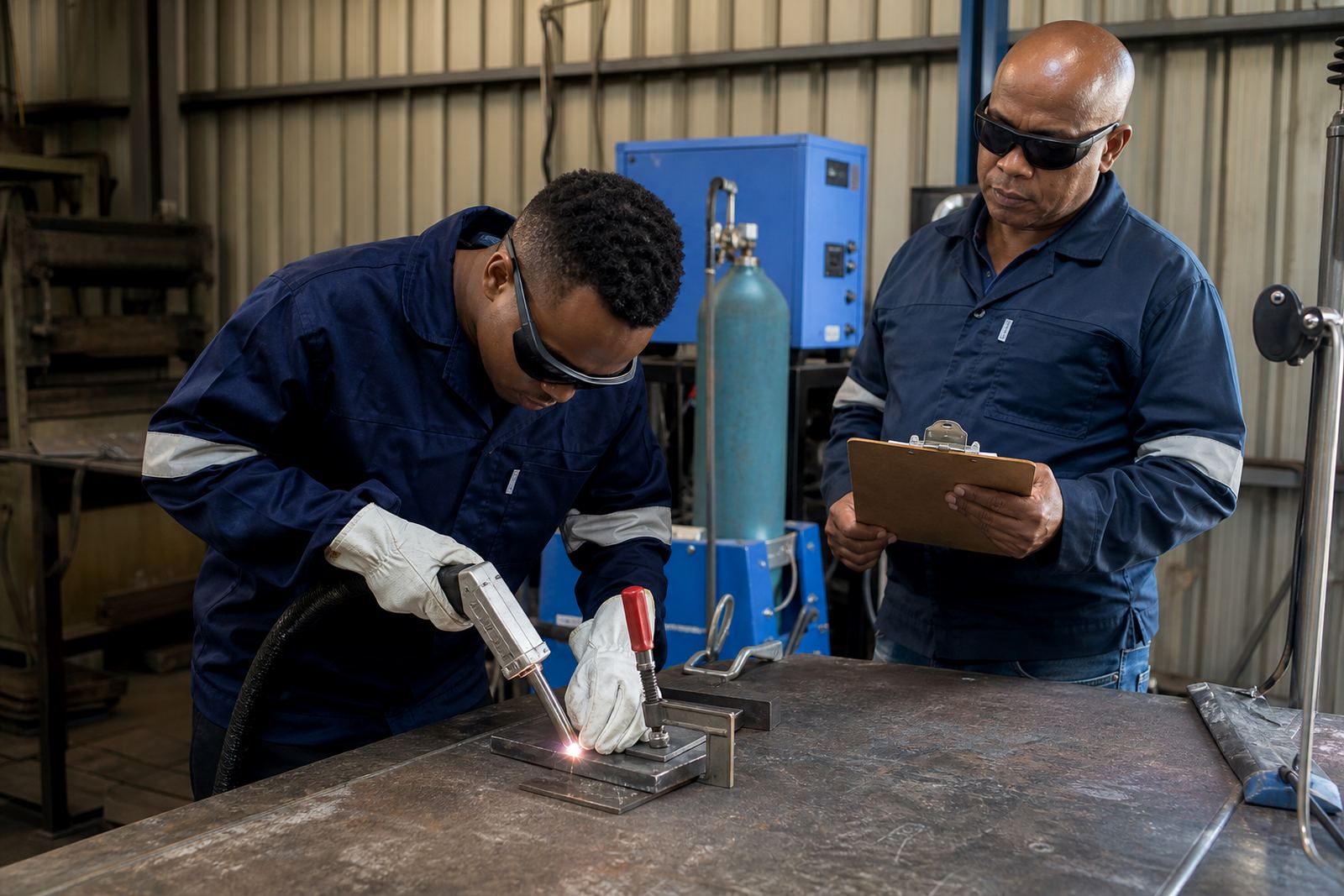
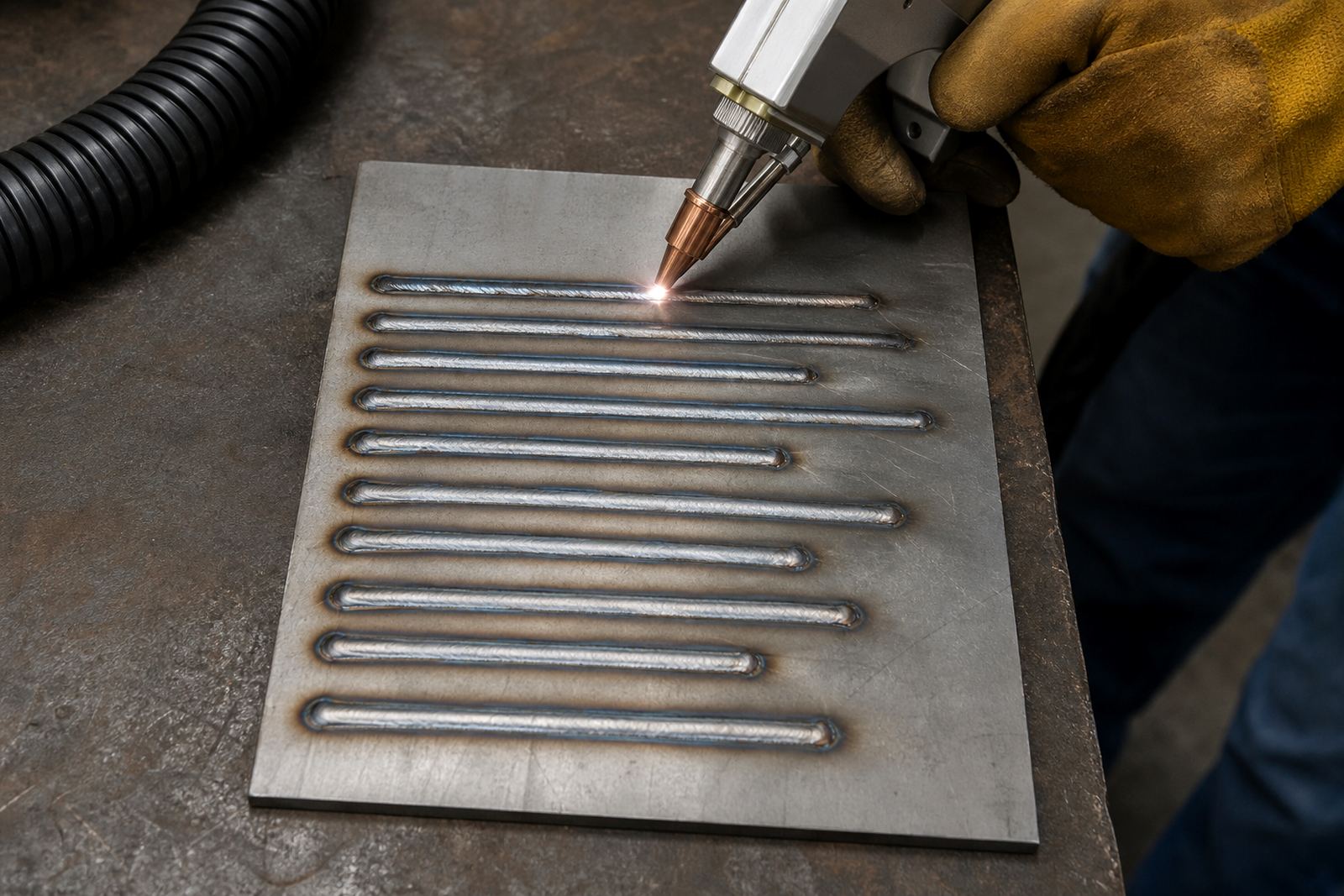
Good owner operator training should give you a clear picture of the full process, from prep to final check. It should not be a quick demonstration only. You need time on the machine, time handling test pieces and time looking at finished welds so you can compare results under different settings. That is especially useful if you plan to offer repairs, light fabrication or production support.
- Basic machine start-up and shutdown steps
- Joint cleaning and material preparation
- Feed angle, travel speed and focus position
- How to spot undercut, porosity and poor fusion
- Heat control on thin material and small parts
- Cleaning and storage of the torch and accessories
Training also helps owners understand which work should stay on conventional welding methods and which jobs are suitable for handheld laser welding. That judgement is important when customers ask for quick fixes on mixed materials or delicate components. A careful owner will know when to say yes, when to recommend another method and when more prep is needed before work starts.
Safety decisions that belong with the owner
Laser welding has its own safety requirements, and the owner must be able to explain and enforce them. The unit is normally treated as a Class 4 laser system, which means serious control measures are needed. Everyone in the area should wear correct eye protection rated for the wavelength and job at hand, and the work zone should be set up so that bystanders are kept out.
Fume extraction is also part of responsible use. When metal is heated, fumes and fine particles can build up quickly, especially in enclosed workshops or where doors are kept shut during bad weather. In coastal areas such as Durban and Cape Town, humidity can also affect storage and housekeeping, so the owner must think about ventilation, dry storage and cleaning routines. In Gauteng, where load shedding can interrupt workflow, it helps to plan what can safely stop and what must be switched off immediately.
A practical safety briefing should cover the following points:
- Who is allowed into the welding area
- Where eye protection must be worn
- How to check the extractor before each session
- What to do if shielding, cables or guards are damaged
- How to store consumables and accessories safely
These are not extra admin items. They protect staff, machines and the customer work you are trying to win.
Starter kits that match the real work, not just the brochure
If you are adding laser welding to a workshop, a starter kit should support learning and early production without filling the floor with parts you do not need. The right kit depends on the type of work you plan to do, the available power supply and how mobile the setup must be. In a Boksburg base workshop, that might mean a more fixed arrangement. For a site team travelling between East Rand, Polokwane and Pretoria, portability matters more.
A useful starter kit usually includes the items needed for setup, practice and early maintenance. The owner should know what each item does and how often it needs checking. If the equipment is being used by more than one operator, the kit should also support consistency across shifts. That is why owner training is tied so closely to kit setup and practice plans. Without that link, even good equipment can be underused or handled badly.
- Basic accessories for setup and day-to-day use
- Protective gear suited to laser work
- Practice material for test runs and skill building
- Cleaning and maintenance items
- Simple storage guidance for the workshop
Owners do better when the kit is matched to their actual jobs rather than to a generic idea of what a workshop should have. That saves time and keeps the first month of use far calmer.
How owner training supports the rest of the team
When the owner understands the process, the rest of the team picks it up faster. Operators need clear instructions, supervisors need a quality standard and support staff need to know what is normal and what is a fault. That is why owner operator training works well with operator inductions, supervisor coaching and training document packs. Everyone learns from the same standard, which keeps the workshop more orderly.
An owner who has done the hands-on work can also give better feedback during refresher visits. If a weld looks off, you are less likely to guess and more likely to ask the right question. If consumables are being used too fast, you can check whether the issue is setup, cleaning, handling or workflow. This kind of practical oversight saves time and helps the business stay steady when the work load increases.
For businesses serving Johannesburg, Durban, Cape Town or smaller towns around Gauteng, that consistency matters. Customers expect the same result whether the job is done in-house or on site. Owner training gives you the base to keep those results predictable.
A local example from a busy East Rand workshop
Think of a Boksburg workshop that already handles light metal repairs and wants to add laser welding for finer joins and quicker turnaround on selected jobs. The owner might assume the machine will simply slot into the current process. Once training begins, it becomes clear that the real work is in prep, safety and workflow. The team needs a proper induction, the extraction point needs checking and the material flow has to be adjusted so test pieces do not get mixed with customer parts.
With hands-on owner training, that workshop can set up a better routine before the first customer job comes in. The owner can agree on who handles the machine, where the eye protection is kept, how the extractor is checked and what gets logged at the end of each shift. They can also plan for power interruptions, which is common enough in South Africa that a workshop should never rely on memory alone. That is the practical difference between trying something new and running it well.
For owner operators, the goal is not to know everything. The goal is to know enough to make sound decisions, ask the right questions and keep the service safe and useful from the beginning.