What Our Practice Plans Cover
Our practice plans are structured for handheld laser welding work in South African training rooms and small workshops, with a focus on repeatable results. They are used by beginners, operators moving from another process, and teams that need a clear route from first bead placement to more controlled production work. The plan is built around common joint types, material thicknesses and the real conditions learners face, including limited time, power interruptions and shared workshop space.
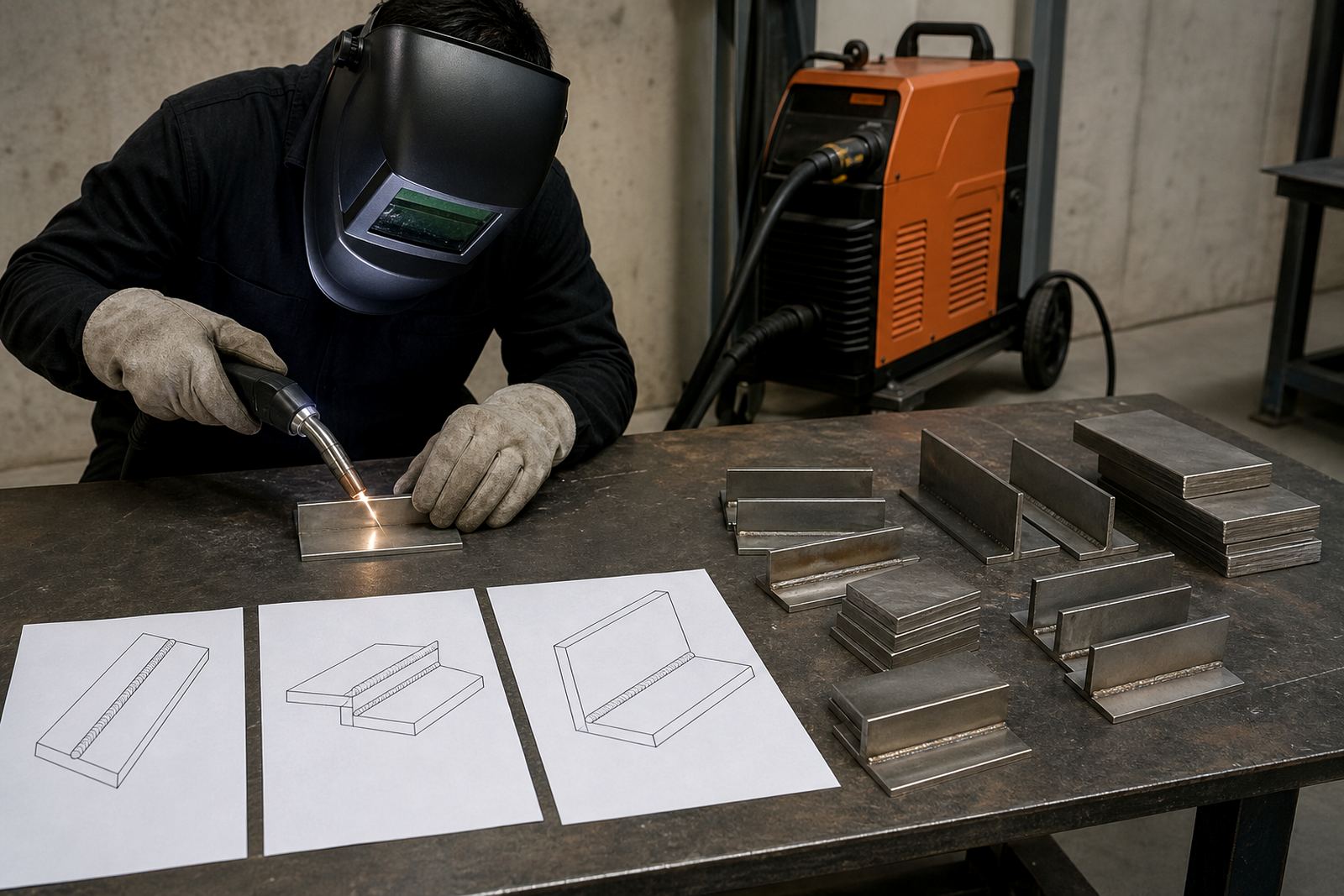
Each plan is tailored to the learner level and the equipment on hand. We usually map practice around flat sheet, lap joints, corner joints and fillet work, then add controlled changes in speed, torch angle and stand-off distance. For many learners the issue is not only technique but consistency, so we keep the sessions practical and repeat the same movement patterns until they become natural.
- Joint type progression for mild steel, stainless steel and aluminium where suitable
- Step-by-step repetition goals for each session
- Basic settings guidance for power, focus and travel speed
- Safety reminders for laser class, eye protection and fume extraction
- Notes for post-session review and correction
How The Session Structure Is Set Up
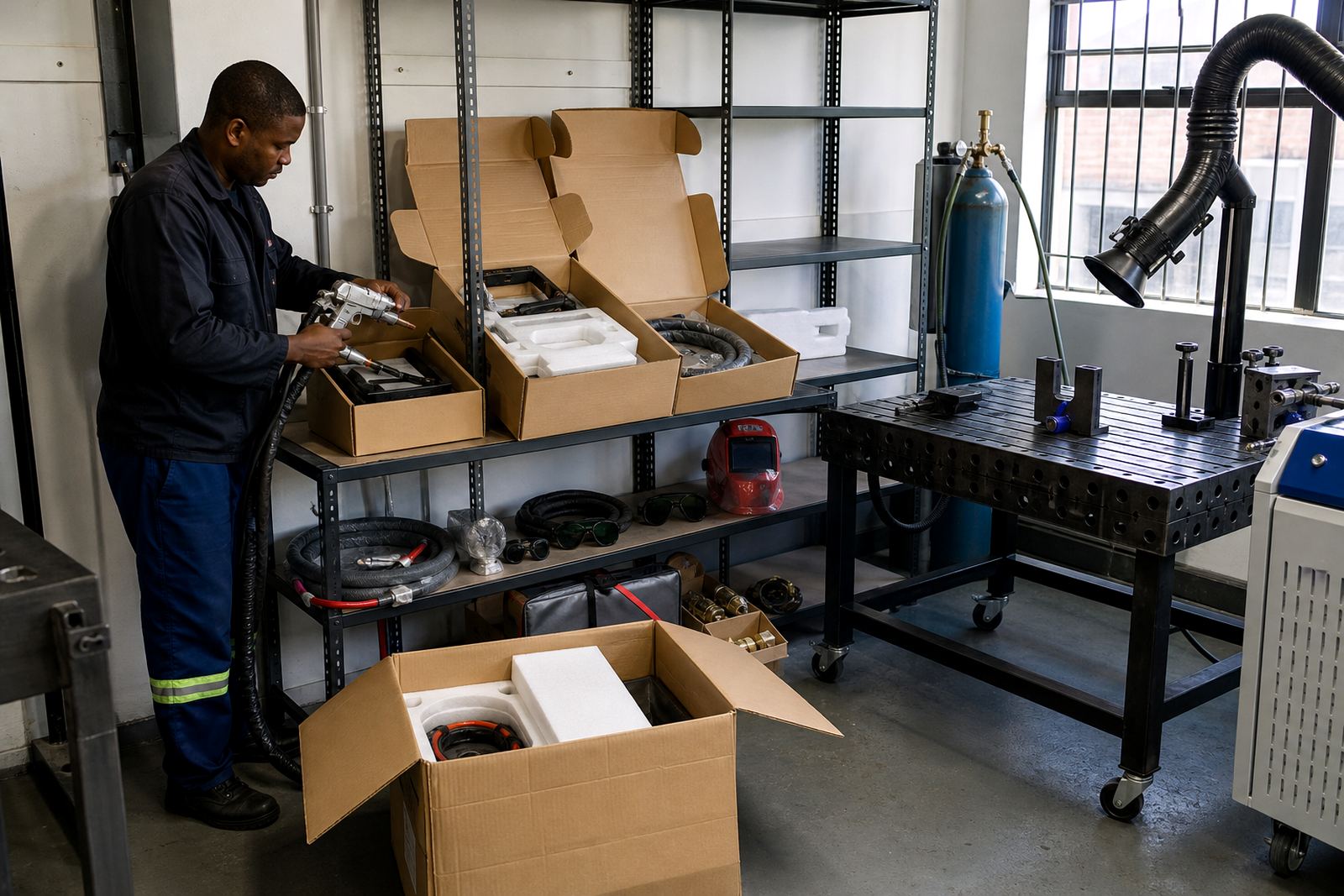
We start by checking the learner’s current skill level, the work area, and the starter kit or machine setup being used. From there we draft a practice path that can be followed over a few days or spread across several weeks. This helps avoid wasted material and makes each session count. In Boksburg and across Gauteng, many learners need plans that work around shift hours and load-shedding, so we keep the sessions practical and easy to pick up again after a break.
The practice plan is usually arranged in short blocks with clear output targets. A learner may begin with torch handling and bead control, then move to joint alignment, edge control, heat input management and finish quality. Where needed, we add supervisor coaching so that a workshop manager can continue the plan after our visit.
- Pre-session setup and safety briefing
- Warm-up passes on offcuts before full practice
- Measured repetition on selected joint types
- Review of bead shape, fusion and surface finish
- End-of-session notes for the next round
Safety, Materials And Equipment Checks
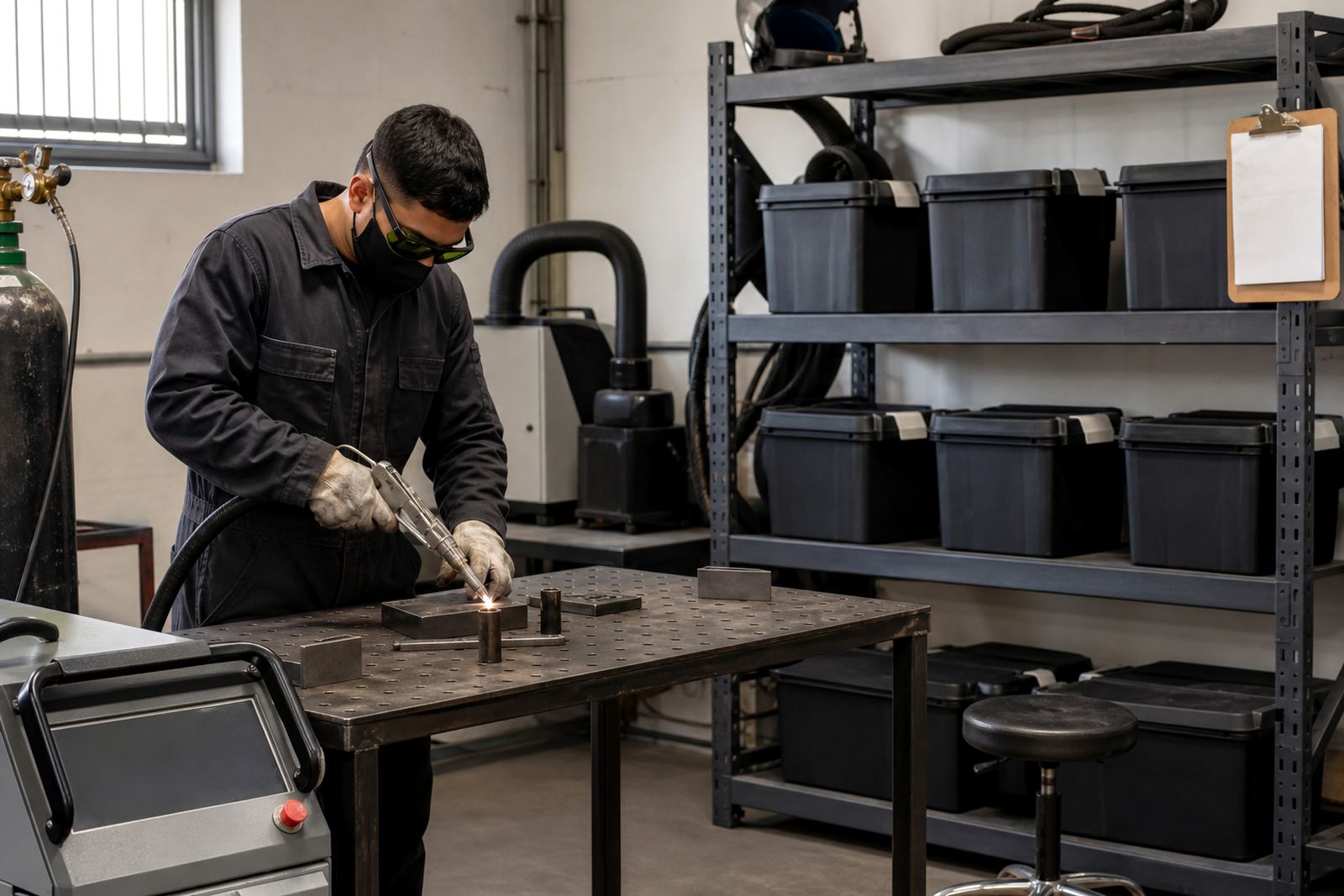
Safety sits inside every practice plan, not beside it. Handheld laser welding requires suitable laser class awareness, correct eye protection and proper fume extraction, especially in enclosed workshops or where stainless steel is being worked. We also check that the area is organised for safe movement, with clear walkways and enough room for cable and hose routing. On coastal jobs in Durban or Cape Town, we also consider moisture, storage and corrosion risk around tools and consumables.
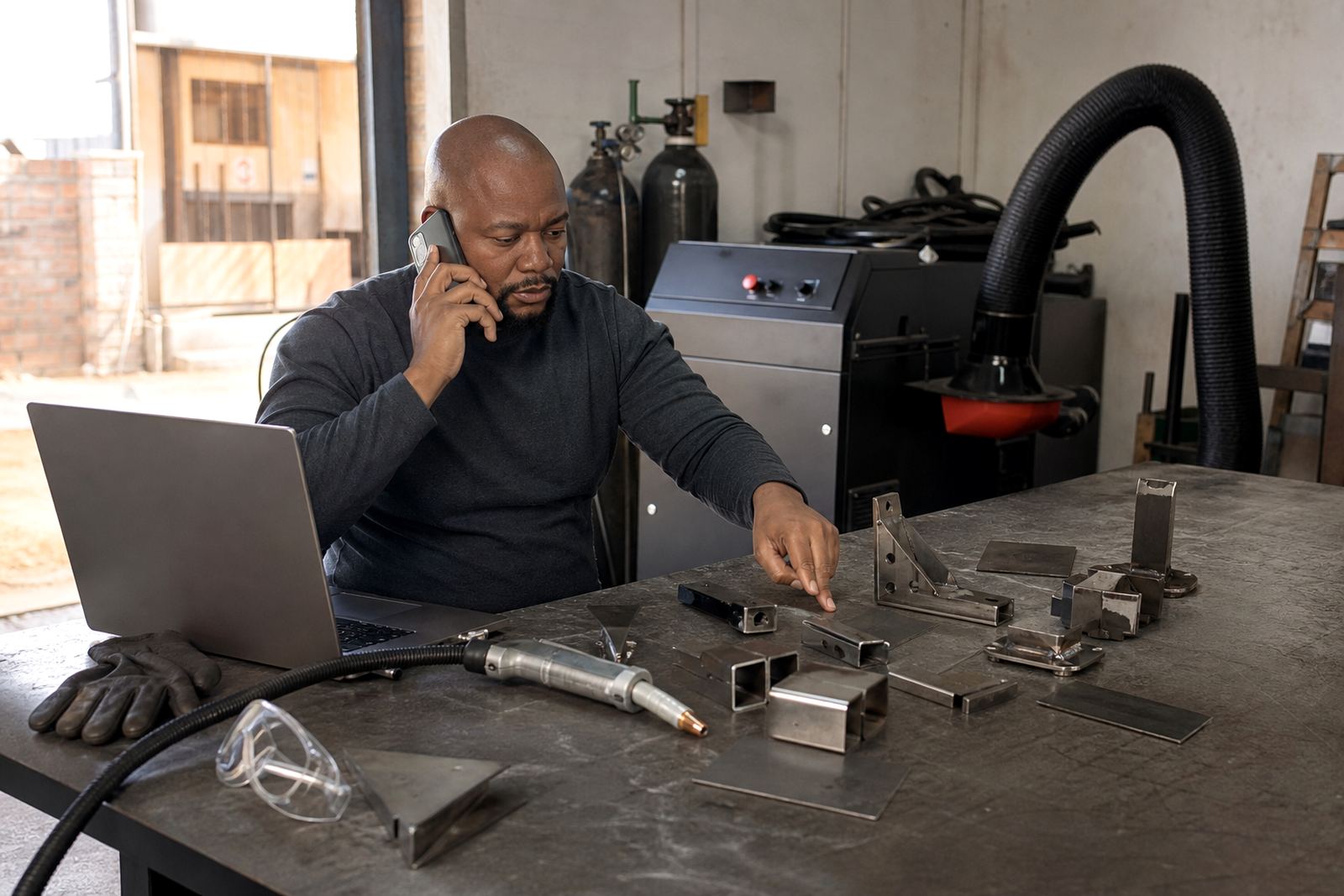
Material condition matters too. Clean surfaces, proper clamping and well prepared edges make practice far more useful. A plan may include reminders to clean off oil, scale and coatings before starting, since contamination can change the result and confuse the learner. We also note whether the learner needs a refresher on nozzle care, lens handling or safe storage after the session ends.
- Laser class awareness and controlled access to the training area
- Eye protection matched to the machine and task
- Fume extraction placement and airflow checks
- Offcut preparation, clamping and surface cleaning
- Tool storage and shutdown steps after use
What Is Included In A Practice Plan
A practice plan is more than a set of notes. It is a working guide that can be followed by the learner, the trainer and the workshop supervisor. We prepare the plan to match the job, the available machine and the level of support needed. The aim is to keep training moving without overcomplicating the process, and without leaving the learner to guess the next step.
Depending on the setup, the plan can include a starter kit review, consumables guidance and follow-up checks after the first few practice rounds. Where a workshop is training several staff members, we can split the plan into stages so the team builds skill in a logical order. This helps when one operator is fully new while another only needs refinement on finish quality or repeatability.
- Material and joint selection for practice rounds
- Session-by-session repetition targets
- Settings notes for the machine in use
- Consumables planning for nozzles, protective lenses and related parts
- Training Document Pack for record keeping
Turnaround And Delivery Across South Africa
Turnaround depends on how detailed the plan needs to be and whether it is for one learner or a full workshop team. Simple practice plans can often be prepared quickly once we have the key details, while larger rollouts may need a site readiness check or supervisor discussion first. For businesses in Johannesburg, Pretoria, Polokwane, East Rand and the rest of Gauteng, we often align the plan with existing shifts so the training does not interrupt production more than necessary.
We work from our Boksburg base and support learners and workshops across South Africa, including Durban and Cape Town. Remote follow-up can be arranged for clarification, with refresher visits scheduled where needed. If your workshop is dealing with repeated setup changes, staff rotation or shared equipment, we can build that into the plan so it remains practical over time.
- Fast start for straightforward learner plans
- Additional preparation time for multi-operator workshops
- Refresher visits after initial practice cycles
- Support for regional teams across Gauteng and beyond
Pricing Approach And What Influences Cost
We price practice plans according to the amount of preparation, the number of learners and the level of follow-up required. A single operator plan takes less time than a full workshop rollout, and a site with mixed materials or multiple shifts will need more detail. We do not load the plan with extras that are not needed, because practical training should stay clear and usable.
Factors that affect the pricing approach include the type of machine, the joint range to be covered, whether the team needs supervisor coaching, and whether starter kit setup or technical help needs to be included. For many businesses the real value comes from fewer wasted offcuts and fewer false starts, so the plan is often paired with a workflow review and consumables planning session.
- One-learner, small-team or workshop-wide planning
- Depth of setup guidance and follow-up
- Travel and on-site time where required
- Optional support with starter kit setup and practice review
Maintenance Intervals And Keeping Skills Current
Practice should not be treated as a once-off exercise. Skills hold better when learners return to the same key joints at regular intervals, especially after time away from the machine. We usually recommend review sessions after the first learning block, then again once the operator has had time to work independently. This helps catch drift in travel speed, torch angle and bead consistency before poor habits settle in.
For workshops, maintenance intervals also help with equipment checks. Nozzle condition, optical components, extraction performance and cable routing should be reviewed regularly, especially in busy environments. A plan can include a simple maintenance rhythm so the workshop knows what to inspect weekly, monthly or after heavier use. That kind of structure is useful in South African conditions where dust, moisture and power interruptions can all affect output.
- Early review after the first practice cycle
- Monthly or shift-based skill refreshers where needed
- Routine equipment and consumable checks
- Update notes when joint types or materials change
Key facts
| Practice scope | Handheld laser welding practice plans for common joint types and workshop use |
|---|---|
| Typical materials | Mild steel, stainless steel and aluminium where the machine and learner level allow |
| Plan format | Session order, repetition targets, safety checks and review notes |
| Safety focus | Laser class awareness, eye protection, fume extraction and area control |
| Turnaround | Fast for single-learner plans, longer for multi-operator workshop rollouts |
| Coverage | Boksburg, Gauteng and learners or workshops across South Africa |