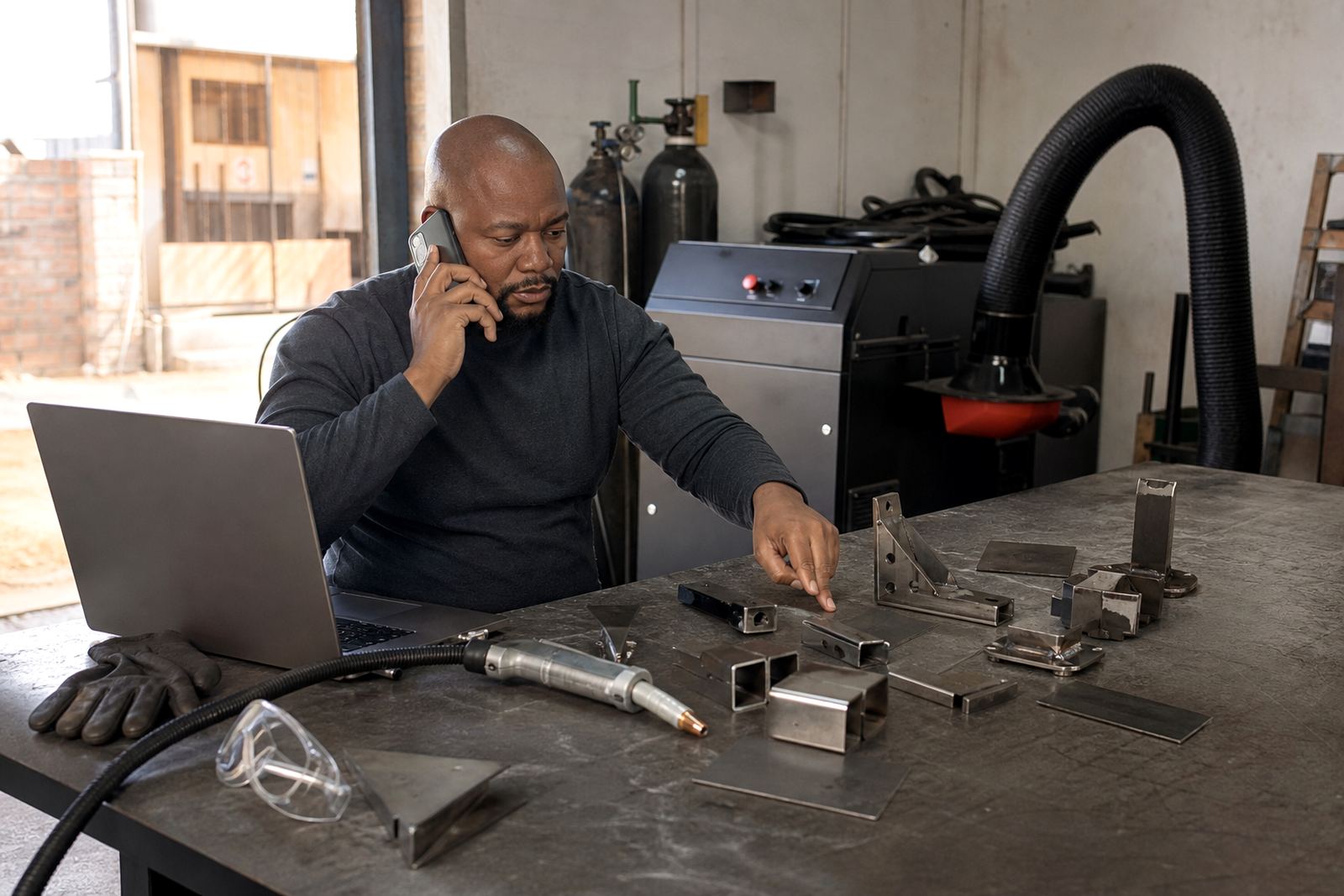
What Our Technical Help Covers
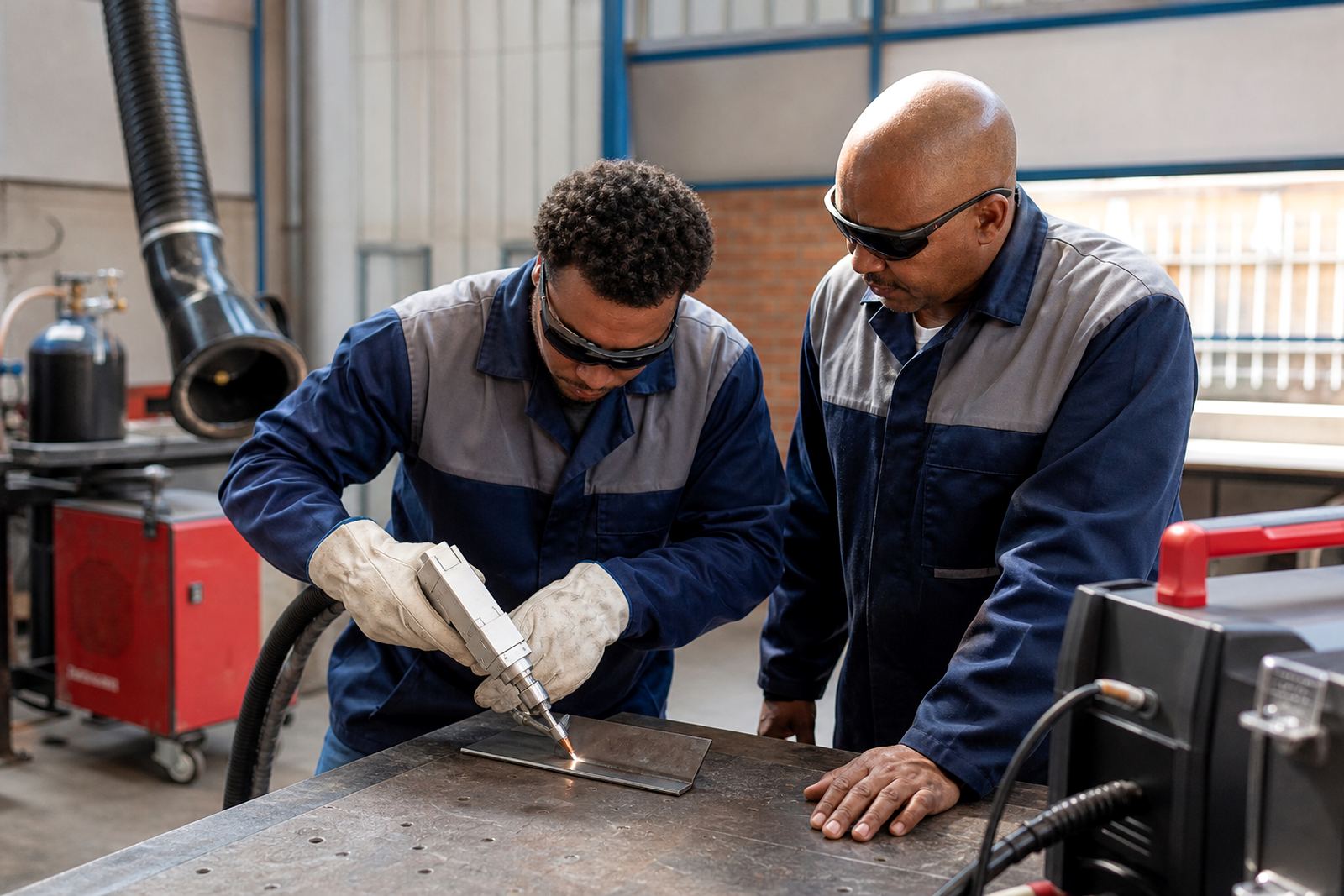
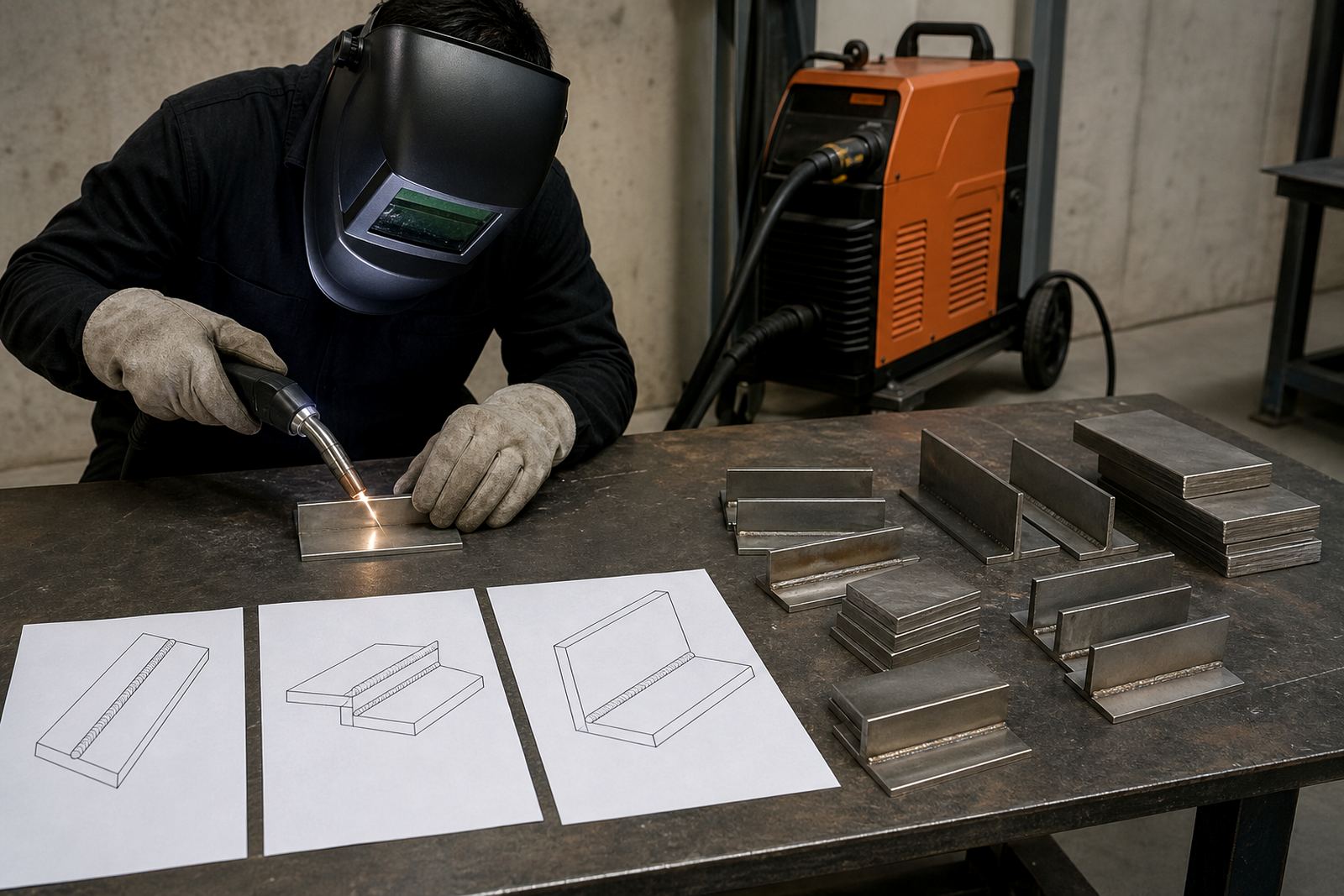
Our technical help service is built for workshops, training rooms, and small production teams that need practical support after equipment is in place. We help with handheld laser welding setup, day-to-day use, and the small issues that can slow learners down such as poor torch control, inconsistent bead appearance, or wrong workflow order. The aim is to help people work safely and with more confidence, not to overcomplicate the process.
Support can include machine familiarisation, handling technique, parameter selection guidance, safety checks, and advice on how to set up a learner-friendly work area. We also assist with starter kit use, basic maintenance habits, and simple quality control steps that help identify problems early. If your workshop is new to laser welding, we can help you define what should happen first, what must be checked every day, and what should be reviewed on a weekly basis.
- Handheld laser welding workflow guidance
- Safe start-up and shutdown checks
- Learner progression advice for beginners and operators
- Starter kit handling and care
- Practical troubleshooting for common workshop issues
Safety Checks For Laser Welding Environments
Laser welding needs proper safety controls, especially when a class 4 laser system is being used in a workshop setting. We guide teams on the basics that must be in place before learners begin, including suitable eye protection, controlled access to the work area, and correct fume extraction. The point is to reduce avoidable risk and help operators understand what makes the process safe to run day to day.
Fume extraction matters when welding coated, oily, or unknown material, and it becomes even more important in enclosed spaces or where several people are working at once. We also look at cable routing, floor layout, signage, and how to keep observers at a sensible distance. Where a site has poor ventilation or frequent dust, we suggest practical changes that are easy to maintain.
- Laser class awareness and control measures
- Correct eye protection for operators and observers
- Fume extraction placement and routine checks
- Safe distance marking and access control
- Simple housekeeping for cable and floor safety
How The Support Process Works
We keep the process simple. First, you share your workshop needs through the contact page enquiry form. After that, we look at the type of laser welding work you are doing, the learner level, the size of the team, and whether you need remote guidance or an in-person visit. This helps us match the support to the actual work being done rather than sending generic advice.
Next, we confirm the main problem areas. That may be setup, safety, technique, materials, or the way learners are moving through the training steps. We then give practical direction in a clear sequence so the team knows what to do first and what can wait. If needed, we can also support a follow-up review once the first round of changes has been used in the workshop.
- Initial enquiry and scope review
- Practical assessment of your current setup
- Clear action steps for the team
- Follow-up support where needed
- Ongoing help for new operators and learners
Starter Kit Support And Setup Advice
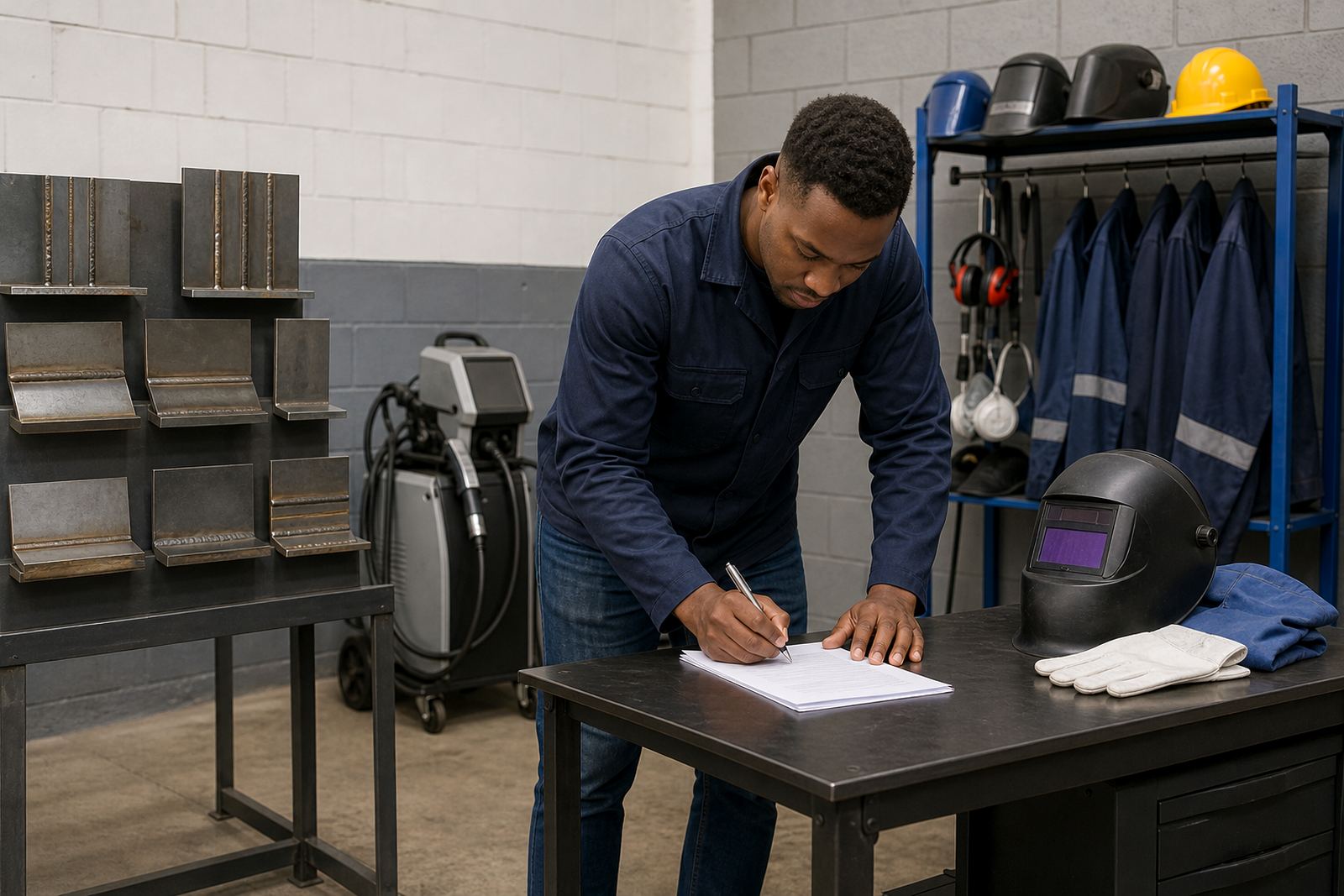
Many workshops ask for help with starter kits because the first few weeks of use shape learner confidence. We guide teams on what should be included, how parts should be stored, and how to introduce each item without wasting consumables. That includes basic care for handpieces, shielding consumables, cleaning tools, and the items used for routine setup and checking.
We also explain how to use starter kit items in a sequence that supports learning. For example, a beginner should understand the purpose of each component, the correct order of setup, and the signs that a part is wearing out. When a kit is being used in a humid coastal area or in a busy Gauteng workshop, storage and cleaning habits become important to keep parts ready for use.
- Starter kit unpacking and first-use guidance
- Care and storage advice for workshop tools
- Consumable handling and replacement checks
- Simple setup order for learner use
- Support for workshops buying kits in bulk
Maintenance Intervals That Keep Training Moving
Good maintenance prevents a lot of workshop frustration. We help teams set practical intervals for inspection, cleaning, and replacement so equipment stays ready for training. A daily check can be short, but it should cover the essentials: clean lenses or guards where applicable, cable condition, extraction function, gas or assist settings if used, and general cleanliness around the machine. Weekly or scheduled checks can go deeper into alignment, wear points, and storage issues.
We also advise on what should be checked after a power cut or when the workshop has had a heavy training day. In places where load-shedding is part of normal planning, it helps to have a restart routine and a short checklist so the team does not miss anything. If learners are progressing from guided practice to more independent work, maintenance intervals can be built into their weekly routine as part of good workshop habits.
- Daily pre-use and post-use checks
- Weekly inspection of wear points and cleaning needs
- Restart checks after load-shedding or power interruptions
- Scheduled review of consumables and filters
- Short maintenance routines for learner teams
Pricing Approach For Technical Support
Technical help is quoted according to what the workshop needs and how much time is required. A quick guidance session, a remote walk-through, and a full workshop visit are not the same job, so the pricing approach is based on scope, travel, and the level of hands-on support needed. This keeps the service fair for small teams and practical for larger operations.
If the work is tied to a training group, a starter kit setup, or a refresher visit, we look at how many people must be supported and what tools or documentation are needed. Where a site has multiple learners or several workstations, the quote reflects the extra time needed to review setup, safety, and workflow across the full area. We keep the discussion direct so you know what is included before anything starts.
- Quoted by scope, location, and support level
- Remote help or on-site workshop support
- Single team or multi-workstation review
- Options for follow-up visits if needed
- Clear inclusions before work begins
Key facts
| Service area | Boksburg, Gauteng and nationwide support across South Africa |
|---|---|
| Support type | Practical guidance for handheld laser welding, safety, workflow, and learner progress |
| Safety focus | Laser class awareness, eye protection, fume extraction, access control |
| Response method | Enquiry form on the contact page |
| Maintenance rhythm | Daily, weekly, and after-interruption checks |
| Included support | Setup advice, troubleshooting, starter kit use, and follow-up guidance |