What We Check On Site
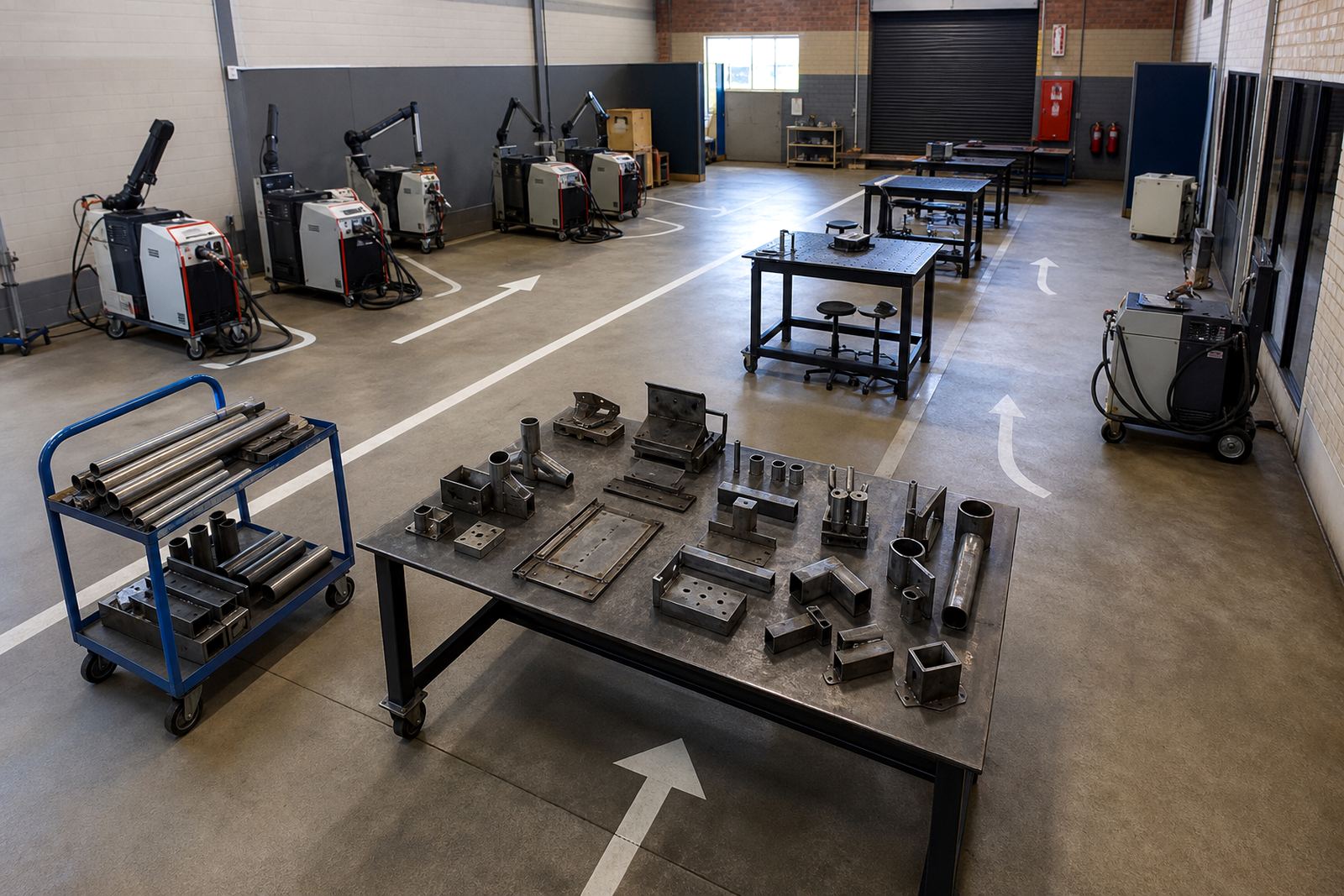
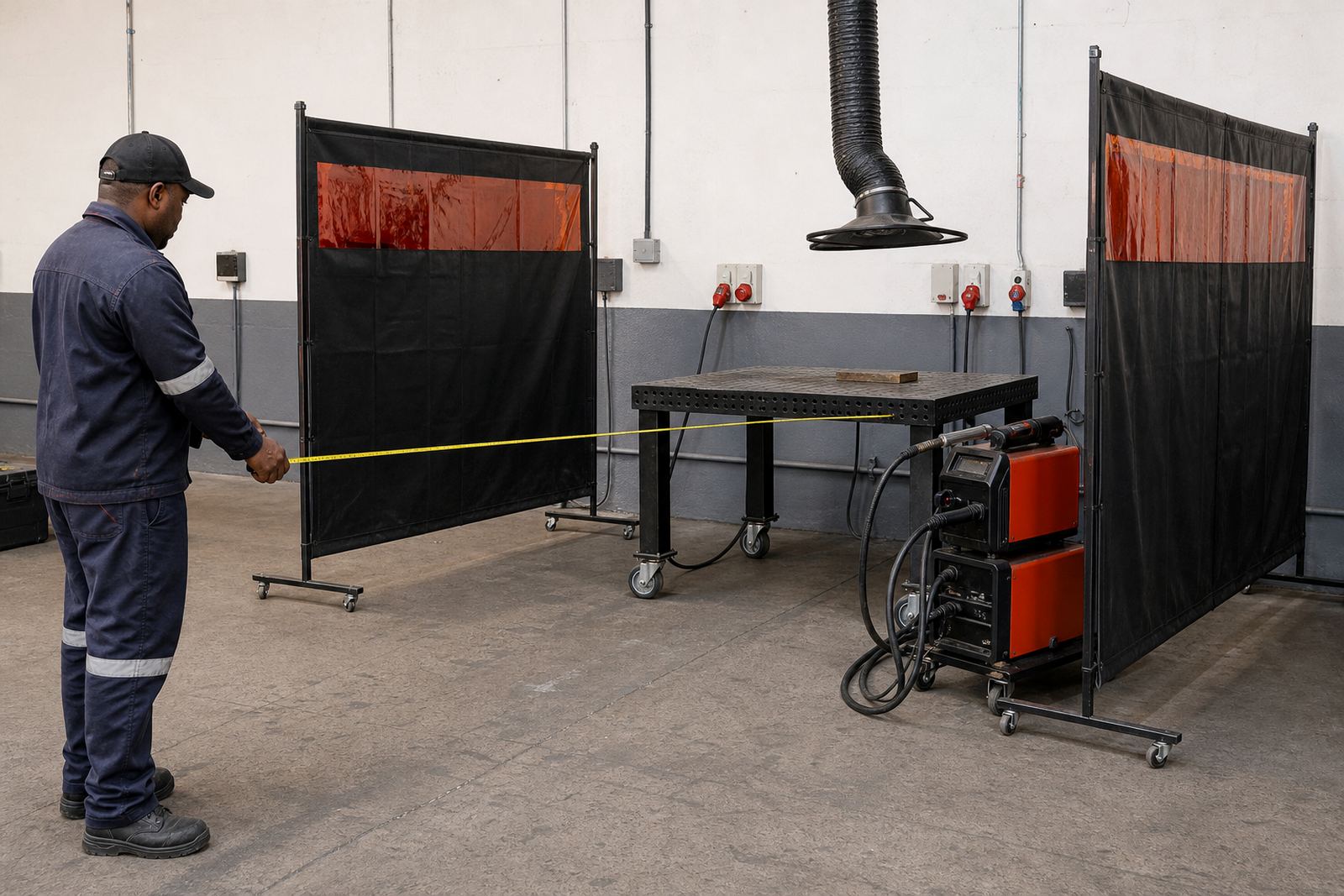
Our site readiness review is a practical walk-through of the area where handheld laser welding will take place. We look at the layout, entry points, material flow, power access, lighting, housekeeping and the space needed for the operator, assistant and learner. The aim is simple: reduce avoidable stoppages and make sure the work area can support safe, efficient use of the equipment.
We also check the basics that often get missed in a busy shop, such as where the machine will stand, where consumables will be kept, and whether there is enough room for marking, clamping and post weld inspection. In coastal areas we also look at moisture control and storage, since humidity can affect dry consumables and electrical equipment if the room is not managed properly.
- Workspace layout and clear walkways
- Access for equipment, materials and handling tools
- Power point location and load-shedding planning
- Basic ventilation and fume extraction position
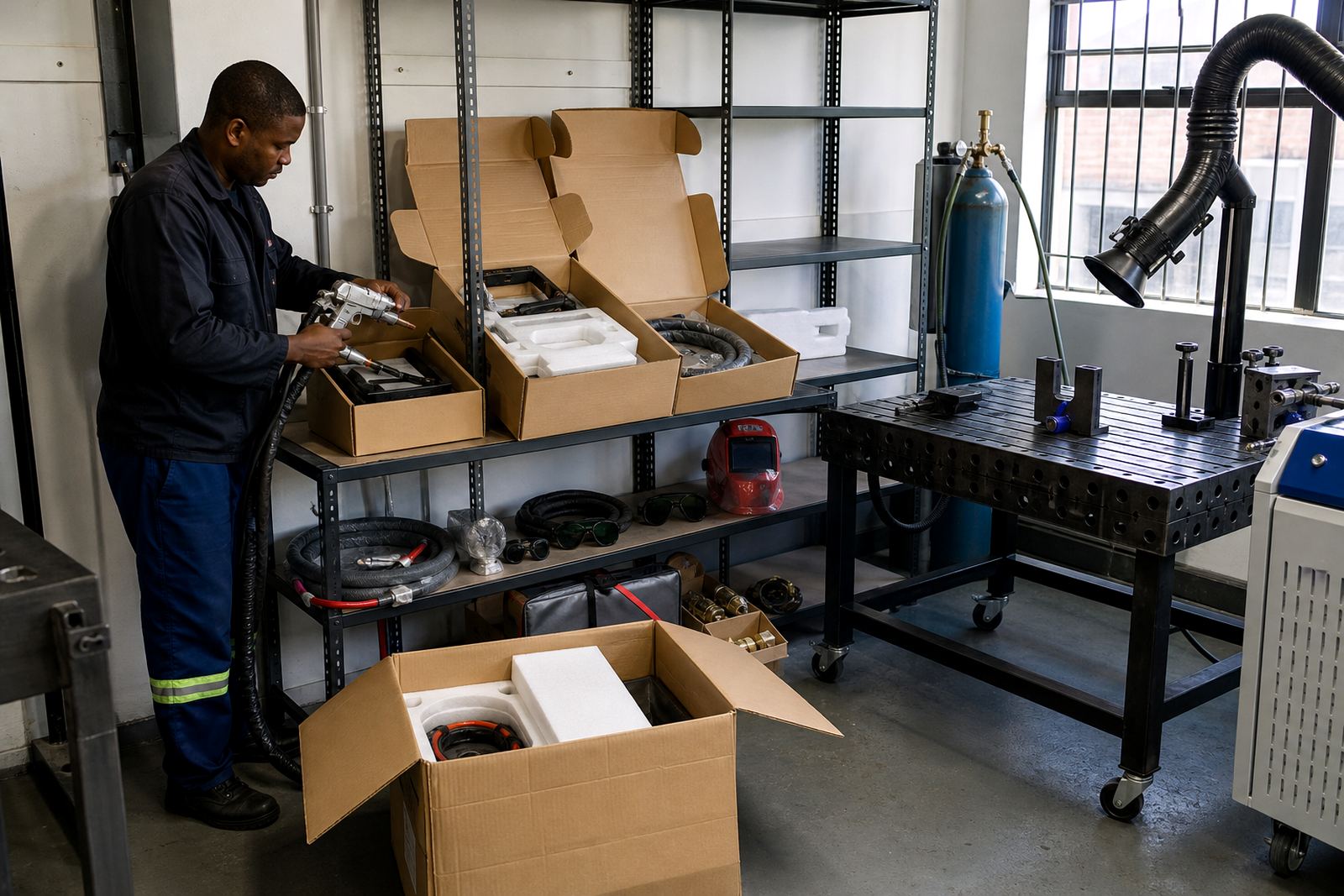
- Safe storage for helmets, lenses and consumables
Safety Controls For A Clean Start
Handheld laser welding is a controlled process, but it still needs proper safety controls. We check whether the area is suitable for the laser class in use, whether the operator has the correct eye protection, and whether the work zone is controlled so that passers-by are not exposed. Where needed, we advise on screens, warning signs and limiting access during welding.
Fume extraction is another key part of the check. Even where the weld looks clean, fumes and fine particles can build up, especially in enclosed workshops or small bays. We assess whether extraction is in the right place, whether airflow is adequate and whether the operator can work without drawing fumes across the face. Good lighting, tidy cables and a clear fire plan are also part of the review, because a safe start is more than just switching the machine on.
- Laser class awareness and access control
- Eye protection suited to the laser setup
- Fume extraction placement and airflow check
- Fire extinguisher location and clear exit route
- Visible safety briefing points for staff and visitors
How The Readiness Visit Works
We keep the process straightforward. Once you send an enquiry through the contact form, we confirm your site details and the type of work you plan to do. If needed, we ask for simple information first, such as floor space, power supply details, and a few photos of the work area. That helps us prepare before the visit and avoid wasted time on site.
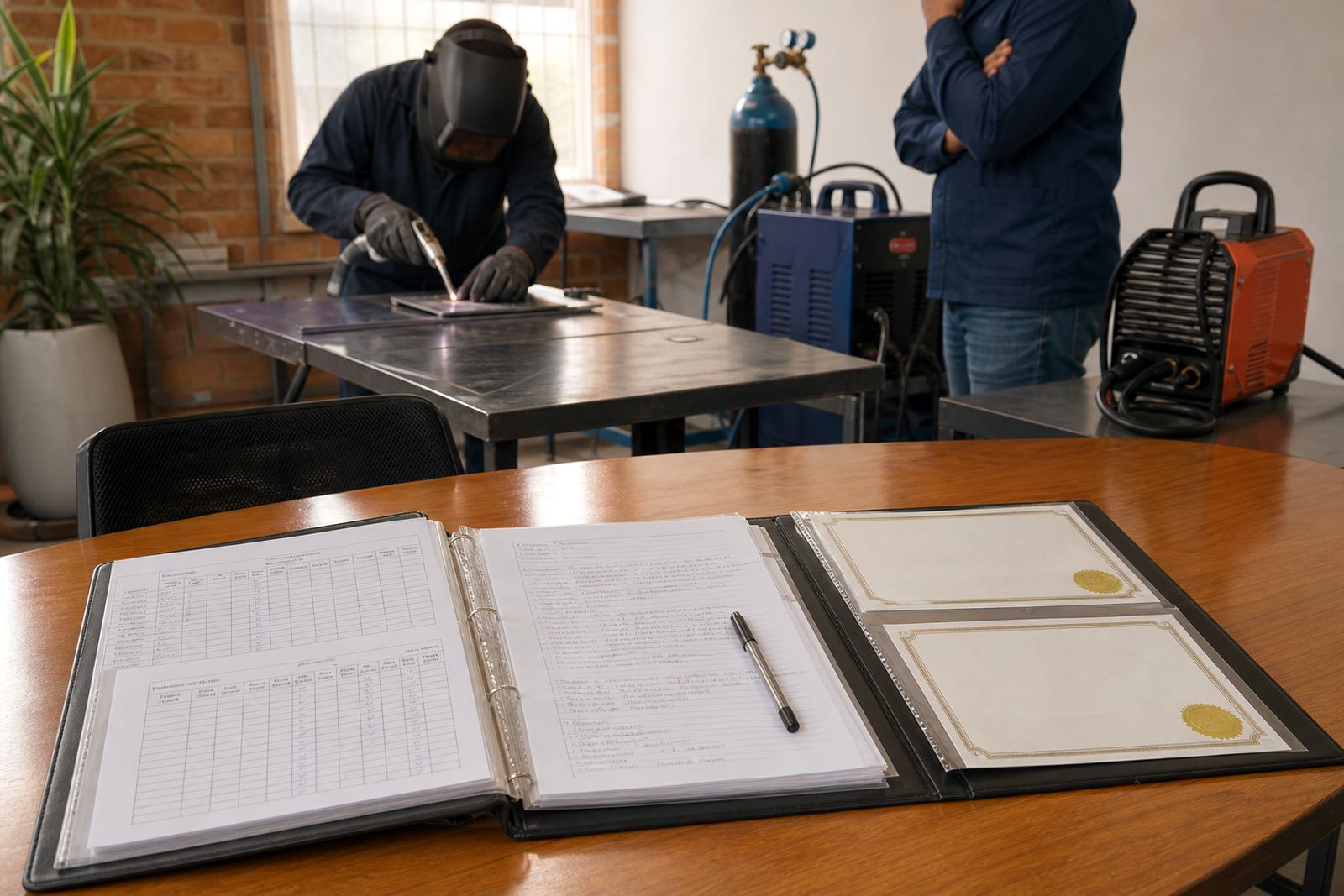
During the visit, we walk through the area with you or your supervisor, note the strengths and the gaps, then explain what should be adjusted before training or production begins. You receive practical feedback, not a pile of theory. If your workshop runs across shifts or has several bays, we can review each area and point out where the same control measures can be applied consistently. Small changes like bench positioning or material staging can make a big diffrence.
- Initial enquiry and site details
- Review of floor space, power and access
- On-site walk-through and discussion
- Feedback on corrections and priorities
- Follow-up guidance where needed
Starter Kit Setup And Workflow Advice
For learners and workshops buying starter kits, readiness checks help make sure the kit arrives into a space that can actually support it. We look at where the kit will be stored, how it will be moved, and whether the operator has a safe and practical place to practise. This includes checking the bench height, clamp points, screen position and the area needed for test pieces and sample work.
We also give workflow advice for small teams. That can include how to sequence prep, welding and inspection, where to keep spare nozzles and lenses, and how to manage consumables so they are not scattered around the shop. If your team is new to handheld laser welding, we can also advise on a simple start-up routine that includes pre-use checks, cleaning steps and end-of-shift shutdown.
- Starter kit storage and bench setup
- Practical operator position and reach
- Consumable storage and handling advice
- Basic workflow for prep, weld and inspect
- Shutdown routine and end-of-day checks
Turnaround, Pricing And Follow-Up
Turnaround depends on the size of the site and how many areas need to be checked. A small workshop can often be assessed quickly, while larger operations with multiple bays, supervisors and shared spaces may need a longer visit. We aim to keep the process efficient so you can move from assessment to action without dragging it out.
Our pricing approach is based on the scope of the visit, travel, the number of areas reviewed and whether you need follow-up support afterwards. We do not quote blindly. We first understand the site, then agree the level of support needed. If improvements are made later, we can return for a refresher visit or a second check to confirm the changes are in place. Regular intervals are sensible for active workshops, especially where the layout changes, new staff are added or equipment is moved around.
- Small workshop checks can often be completed in one visit
- Multi-bay sites may need a longer inspection
- Pricing is based on scope, travel and support required
- Refresher checks are useful after changes or new staff intake
- Maintenance intervals can be set around your production cycle
Who Uses This Service
This service suits individual learners, small fabrication shops and workshops that want a practical starting point before training begins. It also helps supervisors who need a clear plan for preparing the area before bringing in handheld laser welding equipment. Whether you are based in Boksburg, Johannesburg, Pretoria, Durban, Cape Town, Polokwane or elsewhere in South Africa, the same basic checks apply: safe space, proper access and a workable routine.
LaserWelder Training is based in Boksburg, Gauteng, and our team understands the day-to-day realities of local workshops, from power interruptions to tight floor space and mixed-use areas. The service is handled by our training and support team, with practical input from people who work with the equipment every day. You get clear guidance that fits real workshop conditions, not a paper exercise.
- New learners setting up a practice area
- Workshops preparing for operator training
- Supervisors who need safe-start guidance
- Teams adding handheld laser welding to existing work
- Sites needing a practical pre-use review
Key facts
| Service area | Boksburg, East Rand, Gauteng and nationwide across South Africa |
|---|---|
| Primary focus | Workspace layout, area control, access and safe-start planning |
| Suitable for | Handheld laser welding training spaces and workshop bays |
| Safety items reviewed | Laser class controls, eye protection, fume extraction and access control |
| Typical output | Practical findings, action points and follow-up guidance |
| Maintenance interval | Recommended after layout changes, staff changes or equipment moves |