Arrange The Job Flow Before The First Weld
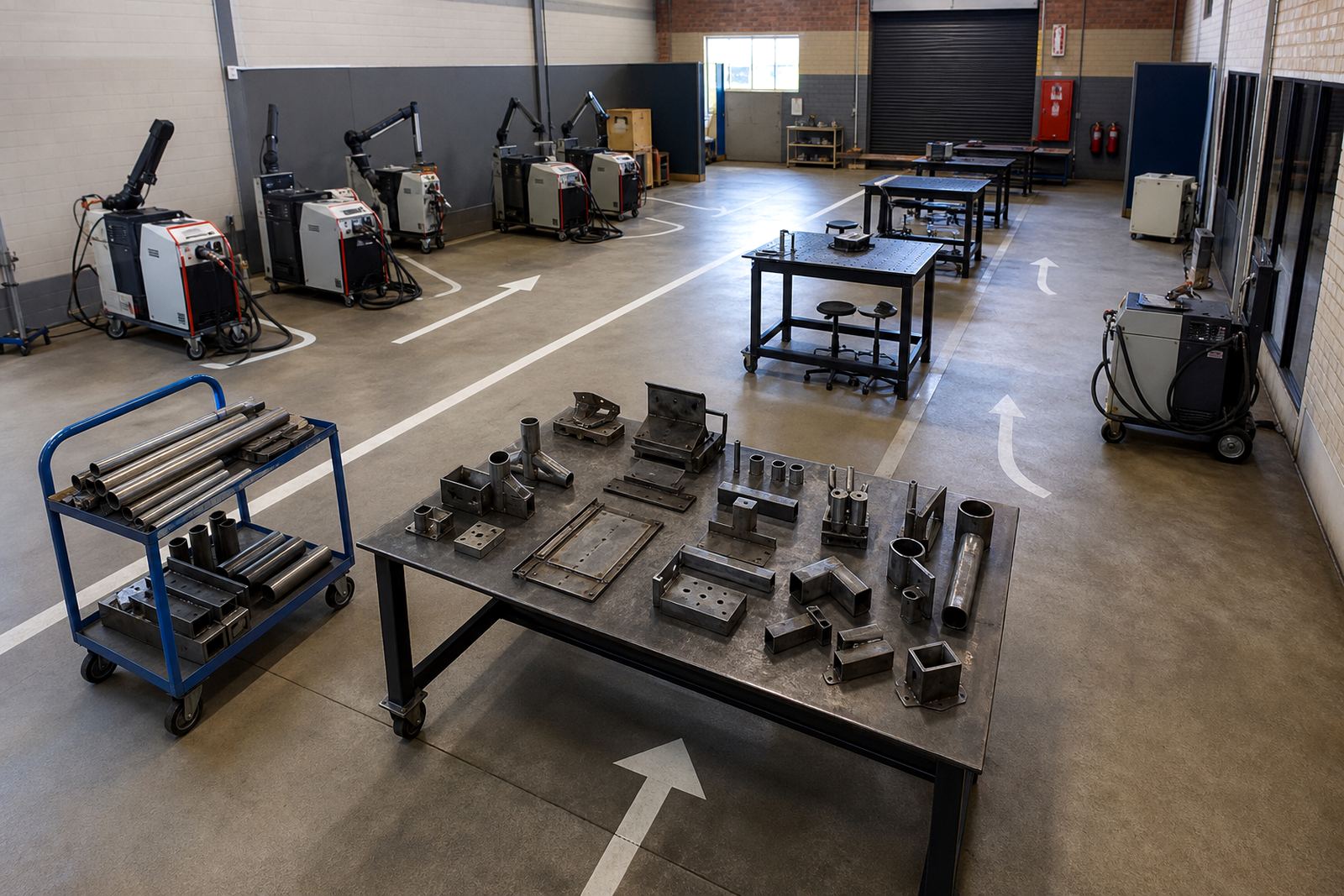
Good workflow advice starts with the full job path, from receiving material to final inspection and packing. On many small and mid-size workshops, the welding area is ready but the prep table, clamping point and inspection step are too far apart, which adds time and encourages parts to be moved more than needed. We help you map the order of work so the operator can prep, weld and check in a clear line.
For handheld laser welding, that means keeping the machine, gas supply, consumables, PPE and inspection tools in the right place before the shift starts. We also look at practical matters such as power point access, cable routing, floor space, ventilation and where finished parts are placed once they cool.
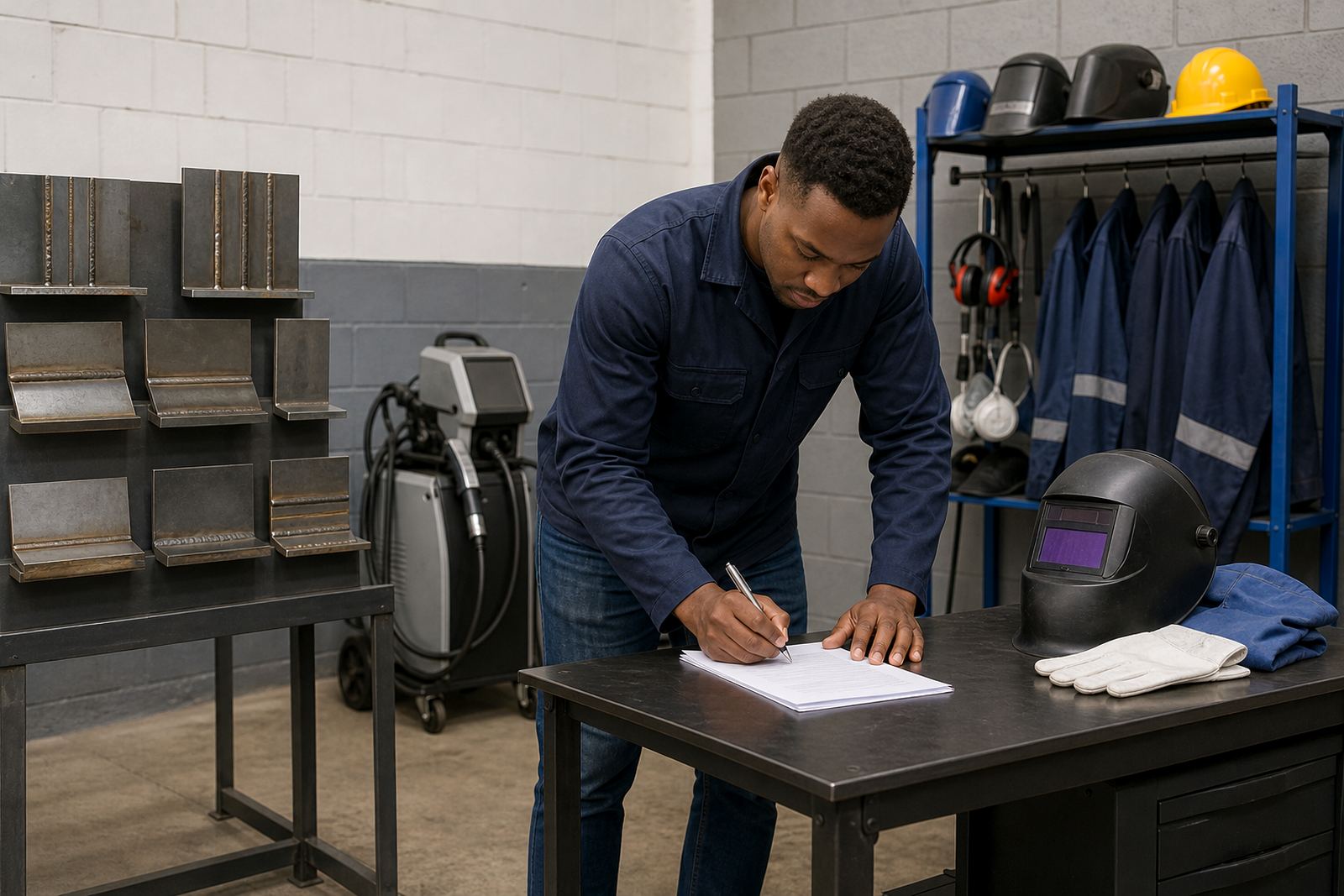
- Prep area layout for marking, cleaning and fit-up
- Welding station position for safe reach and movement
- Inspection point for visual checks and measuring tools
- Clear path for parts, scrap and finished work
What Our Workflow Advice Covers On Site
Our workflow advice is suited to training rooms, light fabrication shops and production bays. We can advise on one bench or a full section of the workshop, depending on how your operation runs. The aim is not to redesign your whole site, but to remove the small delays that slow down daily output.
We look at the sequence of work, the handover between staff and the points where rework often starts. If your team is learning handheld laser welding for the first time, we also show where operator induction, safety briefings and practice plans fit into the day so training does not disrupt the rest of the workshop.
- Step order from prep to weld to inspection
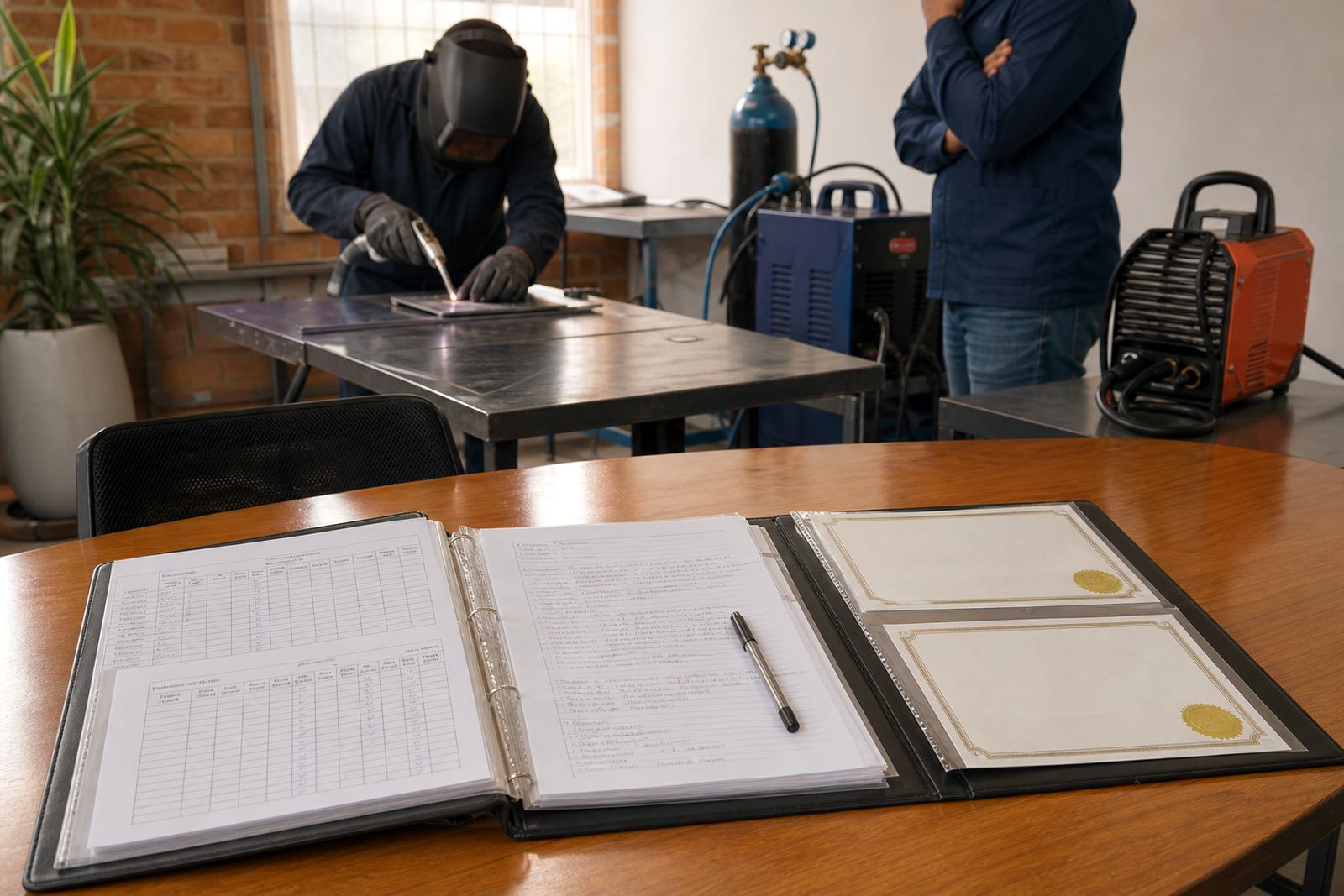
- Operator handover points and job card flow
- Safe storage for starter kits and tools
- Space planning for learners and supervisors
Safety And Control Points We Check
Handheld laser welding needs proper control of the work area. The laser class, eye protection and fume extraction all matter, even on short jobs. We help you place these controls where they are easy to use every time, not only when a supervisor is watching. A tidy workflow should support safety, not compete with it.
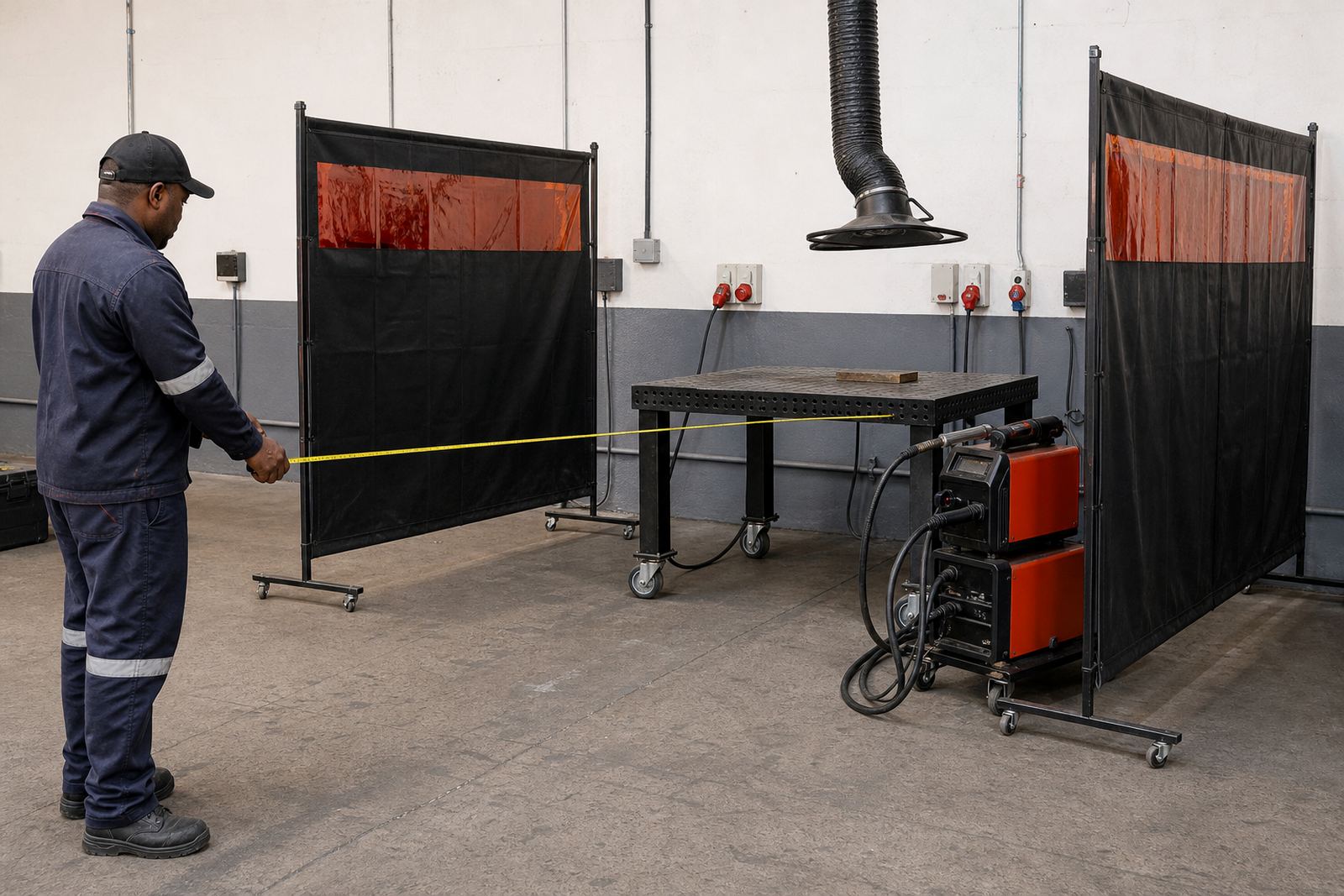
Where relevant, we advise on basic barrier placement, warning signage, designated eye protection points and where extraction should sit relative to the weld zone. In coastal areas like Durban and Cape Town, we also consider humidity and storage so lenses, consumables and electrical parts are kept in better condition. In Gauteng workshops, dust and load-shedding planning are often part of the same conversation too.
- Laser safety controls and access control points
- Eye protection storage and issue process
- Fume extraction position and operator reach
- Dry storage for consumables and optics
How We Set Up The Review And Advice Process
Most workflow advice starts with a short call through the enquiry form on our contact page, followed by a review of your current setup and the type of work you handle. We then arrange a visit or a remote review, depending on your location and the level of detail needed. Boksburg, Johannesburg and Pretoria sites are often handled quickly, while national support is available for Durban, Cape Town and Polokwane teams.
During the visit we walk the process with your supervisor or operator and note where time is being lost. We then give practical changes in plain language, including what to move, what to label and what to keep close at hand. If a starter kit is being added, we can also show how the kit should be stored and issued so it fits the workflow instead of sitting in the way.
- Enquiry and basic job review
- Site visit or remote assessment
- Workflow notes and action points
- Follow-up advice after implementation
Turnaround, Pricing Approach And What Affects Cost
Turnaround depends on the size of the workshop and how many welding points need review. Simple workflow advice for one station can often be handled in a short visit, while multi-bay sites need more time for observation and follow-up. If you are running training and production side by side, we allow extra time so the advice works for both learners and experienced staff.
Pricing is quoted according to scope, travel, time on site and whether you need documentation support as well. We keep the pricing approach practical and tied to the actual work required, rather than bundling in unnecessary extras. For many businesses, a small change in layout or process order saves more time over a month than the advisory visit costs.
- Single station or multi-station review
- Local East Rand call-out or wider provincial travel
- Need for follow-up visit or supervisor coaching
- Document pack and workflow notes included if required
Maintenance Intervals And Ongoing Support
Workflow advice should be checked again after the first few weeks of use, because real shop conditions often show issues that were not obvious on day one. We usually recommend a refresher review after the team has run the process for a short period, then at planned intervals where your workload, staff numbers or job mix has changed. If you run both training and production, a regular check helps keep standards steady.
Starter kits, cables, consumables and extraction points also benefit from regular checks. A good interval is tied to usage, not just the calendar. Busy workshops may need monthly checks on consumables planning and storage, while lighter use may only need a quarterly review. If there is a change in supervisor, machine position or shift pattern, it is wise to do a fresh walkthrough sooner.
- First follow-up after initial use
- Regular checks based on job volume
- Review after staff or layout changes
- Refresher visits for supervisors and operators
Key facts
| Service area | Boksburg, Gauteng and nationwide support across South Africa |
|---|---|
| Main focus | Prep, welding and inspection flow for handheld laser welding |
| Safety topics | Laser class, eye protection, fume extraction and storage |
| Delivery | On-site review or remote workflow assessment |
| Output | Practical action points and follow-up guidance |
| Best for | Training rooms, fabrication shops and workshop teams |