Portable Setup For Training Bays And Demo Work
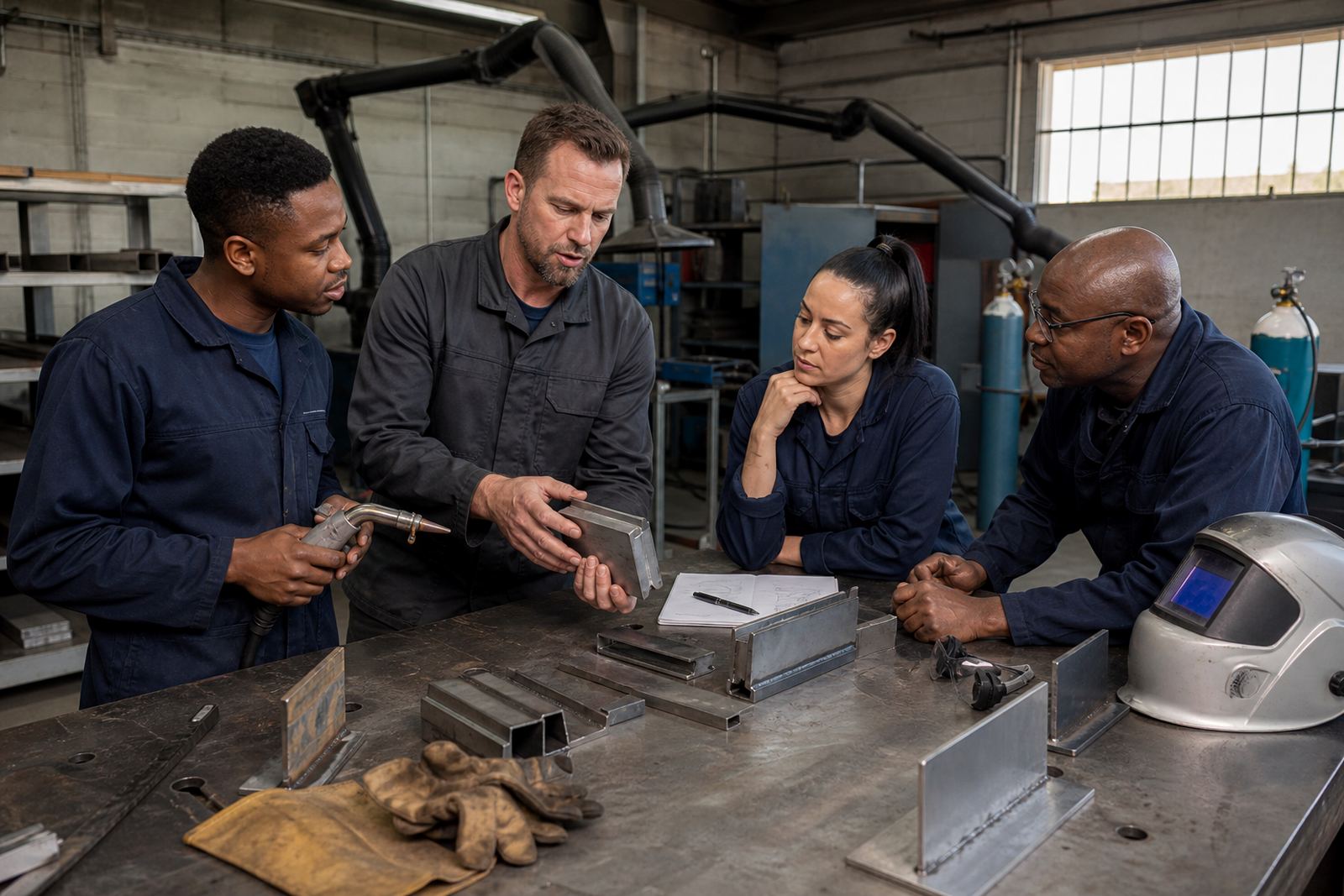
This mobile starter kit is put together for handheld laser welding practice where the equipment needs to move between bays, training rooms or a workshop floor. It suits controlled indoor use, with enough equipment to support demonstrations, learner practice and basic test work on mild steel, stainless steel and other common thin-gauge materials used in South African workshops.
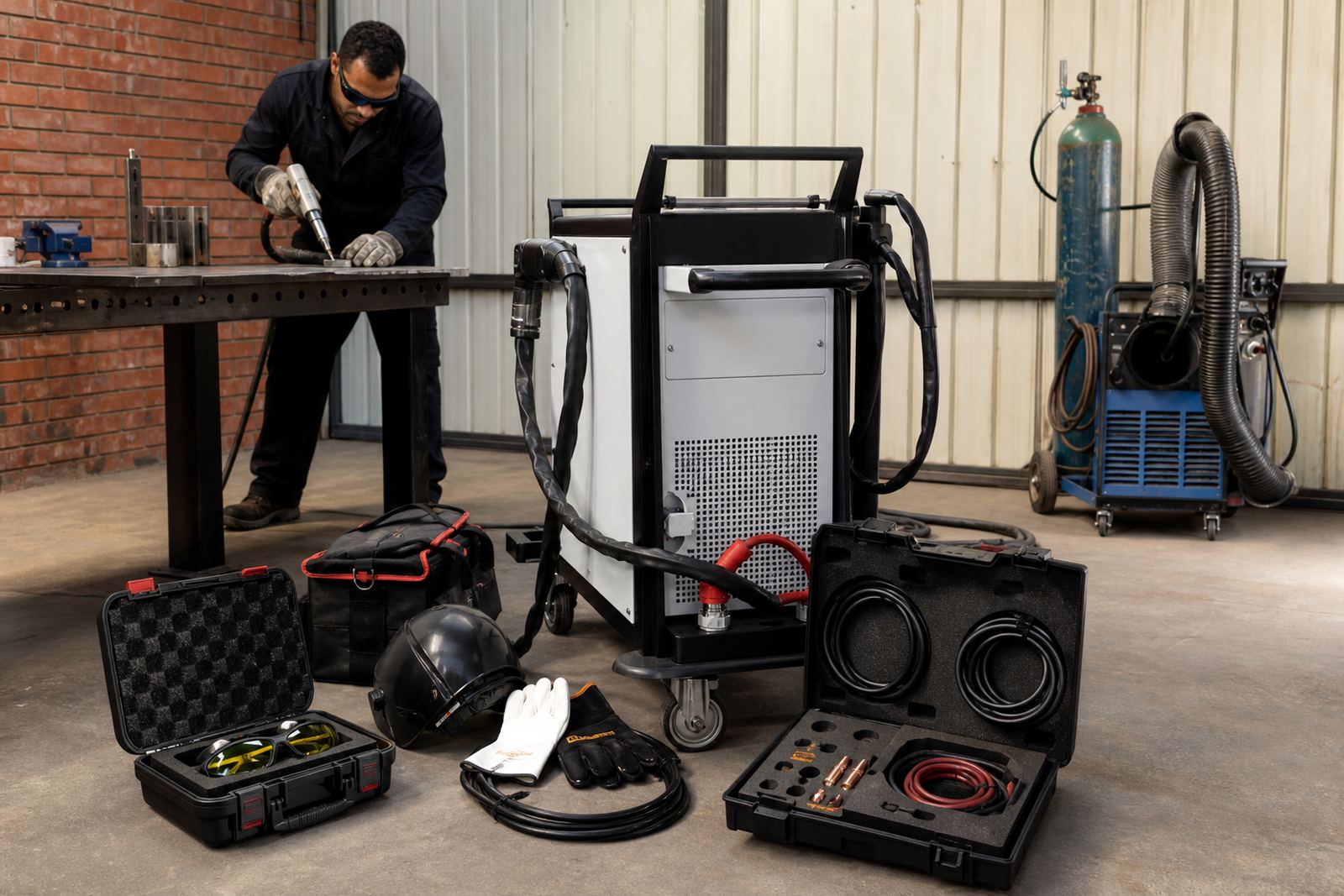
The kit is arranged so the main machine, torch, cables and safety items can be stored and moved together. That makes it useful for Boksburg workshops, East Rand training spaces and sites where access is limited or the work shifts between benches. It is not intended for heavy production lines, but for hands-on learning, sample work and light duty use where setup time must stay manageable.
- Portable for indoor workshop movement
- Suitable for training, demos and practice welds
- Works well in shared bays and smaller work areas
- Useful for learners, supervisors and technicians
What Is Included In The Mobile Kit
The mobile starter kit normally centres on a handheld laser welding unit with the torch, fibre lead, working head and basic operating controls. It is paired with safety gear and setup items that support first use, including eye protection suited to the laser class in use and guidance on extraction for fumes and fine particles. Laser welding is not something to run casually in a closed room, so the kit is planned around proper controls from the start.
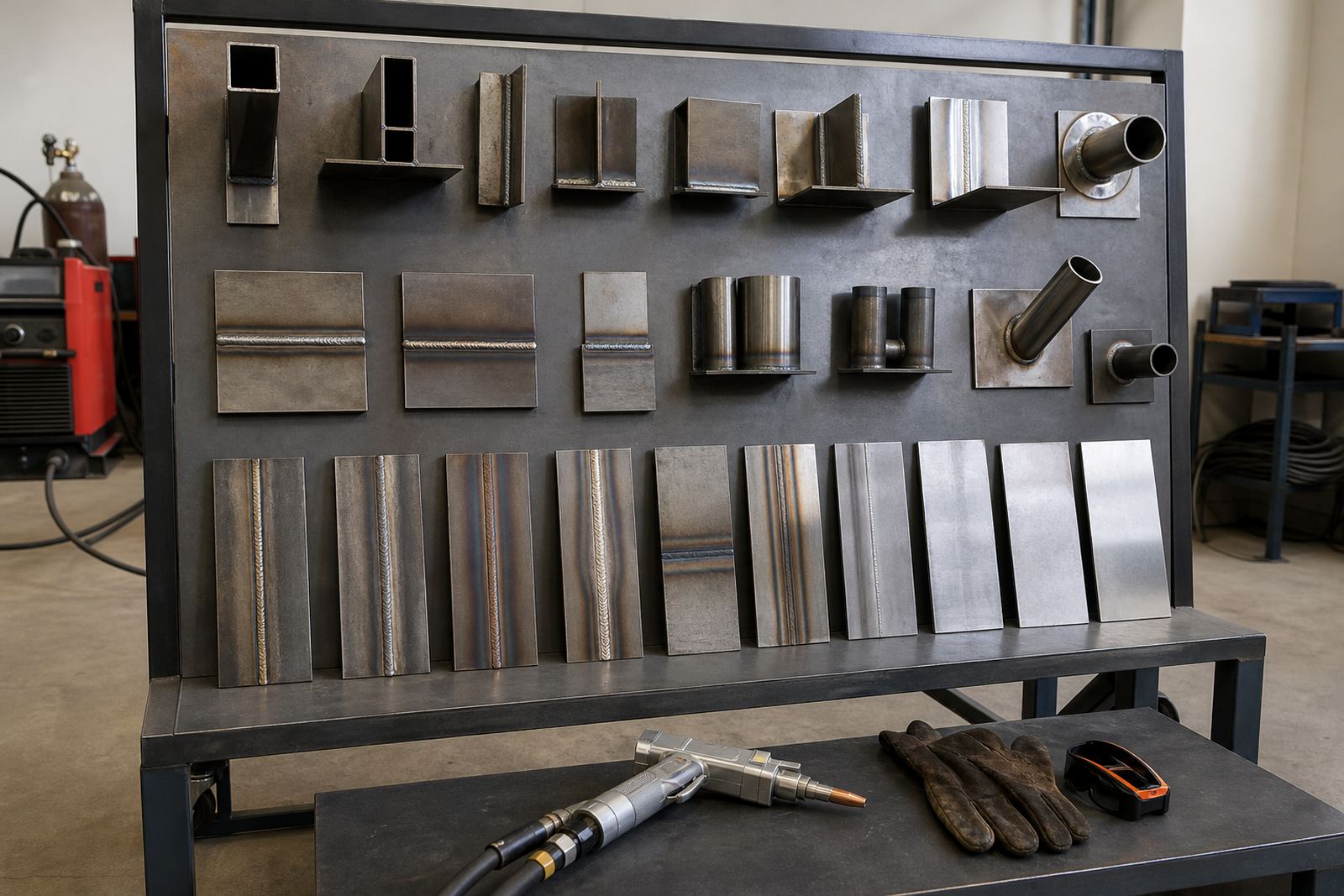
Depending on the training requirement, the kit can also include a trolley, sample material, cleaning tools and a small set of consumables for practice runs. The idea is to give a learner or workshop team enough to begin safely, then add more items as the workflow grows.
- Handheld laser welding unit and torch set
- Laser safety glasses matched to the working setup
- Basic sample material for practice
- Trolley or carrying arrangement where required
- Setup notes and operating guidance
Size Options And Practical Fit
There are a few practical ways to specify this kit, depending on how far it needs to travel and how often it will be used. A compact option suits smaller training rooms and occasional movement. A mid-size arrangement is better for regular learner sessions. A fuller package can be used where a workshop wants the kit to stay ready on a trolley with added storage for consumables and PPE.
When choosing a size, think about door widths, lift access, floor space and how many people will share the equipment. In a Gauteng workshop where load-shedding, changing work patterns and mixed trades are part of daily life, it helps to keep the kit simple to move and quick to set up. If the kit will go to Durban or Cape Town sites, corrosion resistance and clean storage matter too, especially in coastal humidity.
- Compact training kit for light movement
- Standard workshop kit for regular use
- Expanded kit with trolley and storage
- Optional extras for repeated learner sessions
Power, Cooling And Site Readiness
The kit needs a stable power supply and a suitable working area. The exact electrical demand depends on the machine specification, but the setup should always be checked against the site supply before first use. If the workshop has unstable power or frequent outages, a proper plan is needed so the unit is not switched on and off under load. That kind of handling can shorten service life and cause avoidable faults.
Good site readiness also means enough space around the work area, a solid bench or floor position, and proper ventilation. Fume extraction should be placed close enough to capture smoke at source, especially on coated material or when learning on mixed scrap. The kit is best used with a clean, uncluttered bay and a clear rule that only trained operators handle the torch and controls.
- Check supply voltage and socket capacity before ordering
- Allow for proper fume extraction at source
- Keep the work area dry, clean and uncluttered
- Plan for safe storage during power interruptions
Safety Gear And Operating Practice
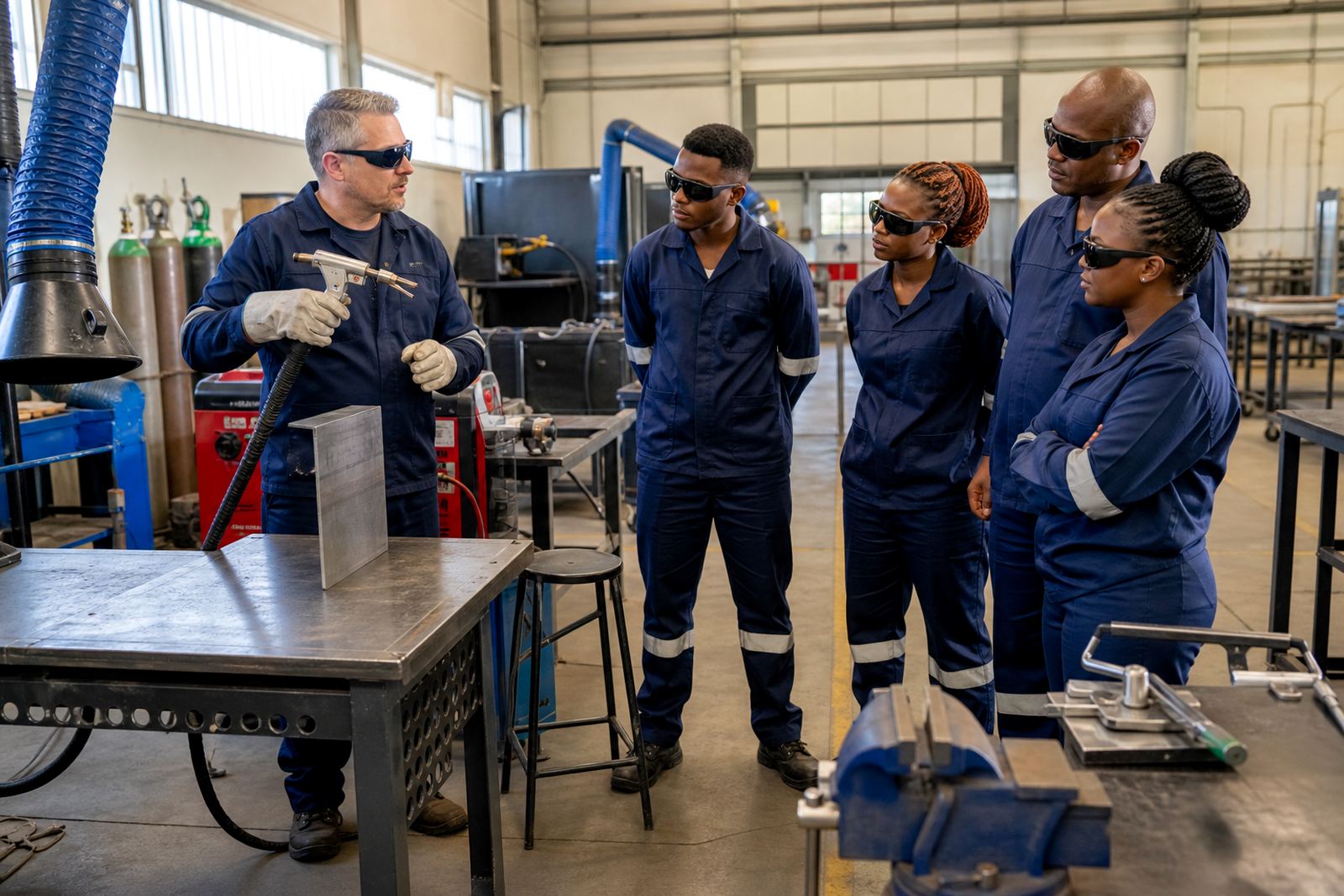
Handheld laser welding needs more than a machine and torch. The operator must work with the correct eye protection for the laser class, and the team should know who is allowed into the working area. A simple operator induction helps prevent wrong lens use, unsafe viewing angles and accidental exposure. The kit is intended to support those habits rather than replace them.
Anele Dlamini, our Safety and Compliance Officer, often reminds teams that a clean bay is part of safety too. Loose scrap, oily cloths and poor cable routing cause problems on the floor. Add clear marking around the work point, basic PPE rules and a fume extraction check before each session. For learners in Johannesburg Training, Pretoria Training or Polokwane Training, this is usually the first thing that gets repeated until it becomes routine.
- Wear laser-rated eye protection at all times in the active area
- Use local extraction for fumes and fine particles
- Keep reflective items away from the work zone
- Separate trained operators from observers
Care, Servicing And What To Check When Ordering
This kit is easiest to keep in good order when it is cleaned after each session and stored in a dry place. The torch, cable ends and contact surfaces should be checked for wear, dirt and heat damage. In coastal areas such as Durban and Cape Town, wipe-downs and dry storage matter more because moisture can affect connectors and metal parts if they are left exposed.
When ordering, check the items below so the kit matches the work you want it to do. If the plan is for learner practice, ask for the training pack as well. If the kit will be moved between sites, make sure the carrying method is practical for the team and that spares are easy to manage. A small mistake here can cause delays later, so it is worth confirming the detail up front.
- Machine output and material range needed
- Type of torch and cable length required
- Safety glasses and extraction arrangement
- Trolley, storage and transport needs
- Consumables planning for practice sessions
- Training document pack if learners will use it
Where The Mobile Kit Suits Best
The mobile starter kit suits workshops, training bays, technical colleges, repair shops and businesses that want a practical handheld laser welding setup without a fixed production line. It is a good fit for Boksburg, Johannesburg, Pretoria, Durban, Cape Town and Polokwane, especially where teams need to move equipment between areas or introduce staff gradually.
It also works well for refresher sessions, supervisor coaching and site readiness checks. If your workshop is planning to add handheld laser welding to its services, this kit gives you a controlled place to start, with enough structure to support safe use and steady skill development.
Key facts
| Kit type | Portable handheld laser welding starter kit |
|---|---|
| Use case | Training, demonstrations and light workshop movement |
| Working format | Indoor handheld laser welding |
| Typical material use | Mild steel, stainless steel and similar thin-gauge metals |
| Safety items | Laser-rated eye protection and extraction support |
| Mobility | Trolley or carry format depending on option |